Blog

  • Pet Memorial Photo Ideas: 15 Creative Ways to Honor Your Beloved Companion

    15 Heartfelt Pet Memorial Photo Ideas to Honor Your Beloved Companion


    Losing a pet is one of life’s most painful experiences. Our furry companions aren’t just animals—they’re family members who fill our days with unconditional love, joy, and countless cherished memories. When they pass, finding meaningful ways to honor their memory can bring comfort during the grieving process.

    Pet memorial photos offer a beautiful way to celebrate the life you shared together. Whether you’re looking for a subtle tribute or a bold statement piece, these 15 heartfelt ideas will help you create a lasting memorial that captures your pet’s unique spirit.

    1. Custom AI-Generated Portrait in Their Favorite Style

    Transform your favorite photo into a stunning artistic portrait using AI technology. Choose from styles like watercolor, oil painting, or even Renaissance-inspired art. This modern approach lets you reimagine your pet in ways traditional photography can’t capture—perhaps as a regal monarch, a superhero, or simply in a dreamy, ethereal setting that reflects their personality.

    2. Photo Collage Timeline

    Create a visual journey of your pet’s life by arranging photos chronologically—from their puppy or kitten days through their golden years. This timeline format tells their complete story and reminds you of all the stages you experienced together.

    3. Paw Print & Photo Combination

    Pair your pet’s paw print (taken before or after passing) with their favorite photo. Many pet memorial services offer clay or ink paw print kits that can be professionally framed alongside a portrait.

    4. Shadow Box Memorial Display

    Create a three-dimensional tribute by combining your pet’s photo with meaningful objects—their collar, favorite toy, or a lock of fur. Shadow boxes add depth and texture that flat photos can’t provide.

    5. Canvas Print for Your Living Space

    Turn your favorite photo into a large canvas print that becomes a focal point in your home. Unlike framed photos, canvas prints have a softer, more artistic feel that blends naturally with home decor.

    6. Photo Book Memorial Album

    Compile your favorite photos into a professionally printed photo book. Include captions that tell stories, funny moments, and the little quirks that made your pet special.

    7. Digital Photo Frame with Rotating Memories

    Set up a digital frame that cycles through hundreds of photos automatically. This living memorial keeps your pet’s presence active in your daily life without overwhelming your space.

    8. Memorial Garden Stone with Photo

    Place a weather-resistant photo stone in your garden or a special outdoor spot your pet loved. These stones typically feature a laser-etched or ceramic photo that withstands the elements.

    9. Locket or Jewelry with Miniature Photo

    Keep your pet close to your heart—literally—with a locket or photo pendant. Modern laser engraving can reproduce photos in incredible detail on small surfaces.

    10. Illustrated Portrait from Photo

    Commission an artist to create a hand-drawn or painted portrait based on your photo. This personal touch adds warmth and artistic interpretation that celebrates your pet’s unique character.

    11. Photo Blanket or Pillow

    Transform your favorite photo into a cozy blanket or throw pillow. These functional memorials provide physical comfort while keeping your pet’s image close.

    12. Memorial Wall Gallery

    Create a dedicated wall space featuring multiple photos in coordinating frames. Mix sizes and orientations for visual interest while telling a complete story.

    13. Photo with Rainbow Bridge Poem

    Pair your pet’s photo with the famous “Rainbow Bridge” poem or another meaningful verse. This combination of image and words creates a complete memorial that expresses both love and hope.

    14. Seasonal Memorial Photo Display

    Create a rotating display that changes with seasons or holidays—perhaps a Christmas ornament with their photo, or a special frame you bring out on their birthday.

    15. Before & After Rescue Photos

    If you adopted your pet, showcase their transformation with side-by-side photos. This powerful memorial celebrates not just their life, but the second chance you gave them and the love you shared.


    How PixPawAI Can Help Create Your Memorial

    Creating the perfect pet memorial photo doesn’t have to be complicated. [PixPawAI](https://pixpawai.com/en/pet-memorial/) uses advanced AI technology to transform your existing photos into beautiful, artistic portraits in any style you can imagine.

    Whether you want a classical oil painting, a modern watercolor, or a whimsical cartoon version of your beloved pet, our AI can generate stunning results in minutes. You can:

    • Try multiple styles to find the perfect tribute
    • Enhance old or low-quality photos into print-worthy artwork
    • Create unique variations for different rooms or family members
    • Generate memorial-specific styles designed for comfort and celebration

    Our pet memorial collection includes gentle, uplifting artistic styles specifically chosen to honor your pet’s memory with warmth and dignity.


    Finding Comfort in Memories

    There’s no “right” way to memorialize a pet. What matters is choosing something that brings you comfort and celebrates the unique bond you shared. Whether you select one idea from this list or combine several, your memorial will serve as a lasting tribute to the love and joy your pet brought into your life.

    Remember: grief is personal, and your memorial should be too. Take your time, choose what feels right, and don’t hesitate to create something that truly reflects your pet’s personality and the special place they hold in your heart.


    • [Pet Memorial Portrait Generator](https://pixpawai.com/en/pet-memorial/)
    • [AI Pet Photo Gallery](https://pixpawai.com/en/gallery/)
    • [How to Take Better Pet Photos](https://pixpawai.com/en/blog/) (future article)
  • The Complete Guide to Importing Furniture from China (2025)

    The Complete Guide to Importing Furniture from China (2025)

    Importing furniture from China can reduce your product costs by 40-70% compared to domestic manufacturing—but only if you navigate the process correctly. For B2B buyers, interior designers, retailers, and hospitality procurement teams, understanding the complete import workflow is the difference between profitable operations and costly mistakes.

    This guide covers everything you need to know about importing furniture from China: from finding reliable suppliers and negotiating terms to managing quality control, shipping logistics, and customs clearance. Whether you’re placing your first order or optimizing an existing supply chain, you’ll find actionable strategies to reduce risk and maximize value.


    Why Import Furniture from China?

    China produces over 40% of the world’s furniture exports, and the dominance isn’t accidental. The country offers a unique combination of manufacturing scale, cost efficiency, and supply chain maturity that’s difficult to replicate elsewhere.

    • Cost savings: Production costs are 40-70% lower than Western manufacturing, even after factoring in shipping and duties
    • Manufacturing capacity: Access to thousands of specialized factories producing every furniture category—from solid wood dining sets to custom upholstery
    • Customization flexibility: Most factories accept OEM/ODM orders, allowing you to develop proprietary designs without massive MOQs
    • Supply chain infrastructure: Established logistics networks, experienced freight forwarders, and streamlined export processes
    • Material variety: Comprehensive sourcing for wood, metal, upholstery, rattan, and composite materials

    For businesses operating on tight margins, these advantages translate directly into competitive positioning. A retailer importing dining chairs at $60 FOB versus $180 domestic cost can either undercut competitors or maintain higher margins—both powerful strategic options.


    Understanding the Complete Import Process

    Before diving into tactics, understand the full workflow. Importing furniture from China involves seven core stages:

  • Supplier identification and vetting — Finding and qualifying reliable manufacturers
  • Negotiation and contracting — Establishing terms, pricing, and quality standards
  • Production management — Monitoring manufacturing and conducting quality inspections
  • Shipping and logistics — Arranging ocean or air freight from factory to destination port
  • Customs clearance — Navigating import duties, documentation, and regulatory compliance
  • Inland delivery — Transporting goods from port to your warehouse
  • Ongoing relationship management — Building long-term supplier partnerships
  • Each stage has specific risks and optimization opportunities. Skipping steps or rushing through vetting leads to quality disasters, delivery delays, and unexpected costs.


    Step 1: Define Your Product Requirements

    Vague specifications are the #1 cause of import failures. Before contacting any suppliers, document your exact requirements in writing.

    Product Specification Checklist

    Category Details to Define
    Product type Specific furniture category (dining chairs, sofas, office desks, etc.)
    Materials Wood species, fabric types, metal finishes, foam density, hardware specs
    Dimensions Exact measurements in millimeters (Chinese factories use metric)
    Quantity Initial order volume + projected annual volumes
    Quality grade Target market positioning (mass market, mid-range, premium)
    Certifications Required standards (FSC, CARB Phase 2, BIFMA, fire safety ratings)
    Packaging Individual wrapping, carton specs, palletization, container loading
    Lead time Production timeline and delivery deadline

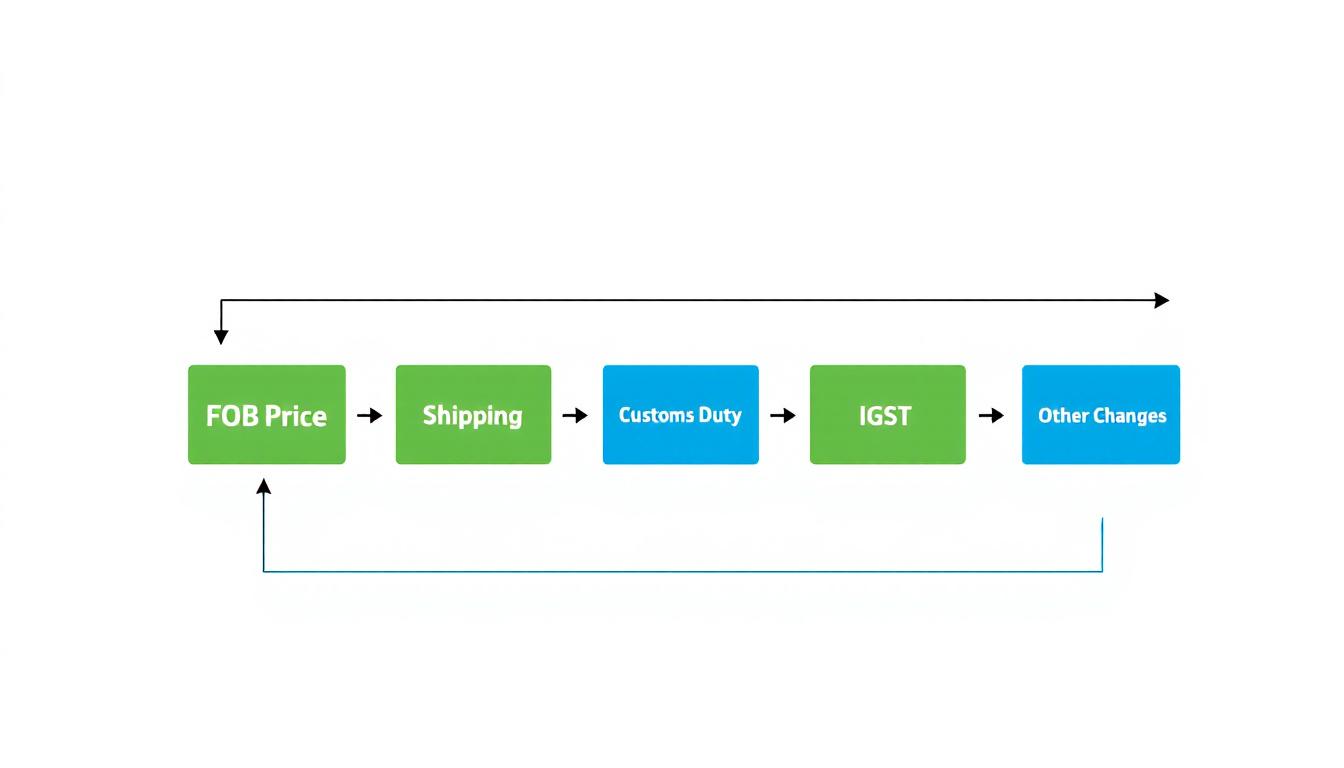
    Calculate Your Total Landed Cost

    Don’t make decisions based on FOB price alone. Calculate the complete landed cost to understand your true product economics.

    Cost Element Typical Range Notes
    Product FOB price Baseline Factory gate price
    Ocean freight $1,800-$4,500 per 40ft container Varies by route and season
    Insurance 0.3-0.5% of cargo value Covers loss/damage in transit
    Customs duties 0-10% depending on product Check HTS code for your market
    Port handling fees $150-$400 Documentation and terminal charges
    Customs broker $200-$500 Professional clearance service
    Inland trucking $500-$2,000 Port to warehouse distance
    • Product FOB: $18,000 (300 chairs @ $60/unit)
    • Ocean freight (Shanghai to LA): $2,800
    • Insurance: $210
    • Customs duty (0% for wooden furniture): $0
    • Port fees: $180
    • Customs broker: $350
    • Inland trucking: $800
    • Total landed cost: $22,340
    • Per-unit cost: $74.47

    This calculation reveals your true cost basis. Always build in a 10-15% contingency for currency fluctuations and unexpected fees.


    Step 2: Find and Vet Reliable Suppliers

    Finding suppliers is easy—Alibaba lists thousands. Finding reliable suppliers requires systematic vetting.

    Sourcing Channels

    • Alibaba.com (largest selection, variable quality)
    • Global Sources (higher-end suppliers, verified listings)
    • Made-in-China.com (good for specific categories)
    • CIFF (China International Furniture Fair, Guangzhou/Shanghai)
    • Furniture China (Shanghai, March/September)
    • Canton Fair (Guangzhou, biannual)
    • Local representatives who pre-qualify factories
    • Useful for first-time importers or complex products
    • Typical fee: 3-8% of order value
    • Network with other importers in your sector
    • Often the most reliable source for vetted suppliers

    Supplier Vetting Framework

    • Verify business license and export license
    • Check years in operation (prefer 5+ years)
    • Review product portfolio alignment
    • Assess communication quality and responsiveness
    • Confirm export experience to your target market
    • Request customer references
    • Reluctance to provide factory address or registration documents
    • Pressure for large upfront payments before samples
    • Unwillingness to sign quality agreements or NDAs
    • Pricing significantly below market (often indicates corner-cutting)
    • No verifiable export references or trade show presence

    Conduct on-site inspections or hire third-party auditors (SGS, Bureau Veritas, Asia Inspection) to verify:

    • Production capacity matches your volume requirements
    • Quality control procedures and testing equipment exist
    • Raw material storage and finished goods warehouse conditions
    • Worker conditions and safety standards
    • Social compliance and environmental practices
    • Order production samples, not showroom samples
    • Test construction quality, finish consistency, and packaging
    • Document any defects or deviations from specifications
    • Evaluate against your target market quality expectations
    • Contact 2-3 current export customers
    • Verify delivery reliability and quality consistency
    • Ask about dispute resolution experiences
    • Confirm they’ve successfully shipped to your region

    > Pro tip: Always maintain relationships with at least two qualified suppliers per product category. Single-source dependency creates vulnerability if your factory faces production delays, quality issues, or capacity constraints.


    Step 3: Negotiate Terms and Structure Contracts

    Key Contract Elements

    Element What to Negotiate
    Incoterms FOB (Free On Board) is standard for sea freight; EXW if you control logistics
    Payment terms 30% deposit, 70% before shipment (standard); consider LC for large orders
    Lead time Production schedule with milestone dates and penalty clauses
    Quality standards Acceptable Quality Levels (AQL) and inspection protocols
    Penalties Late delivery clauses and defect remediation terms
    IP protection NDA and design protection agreements for custom products
    Warranty Defect coverage period and replacement procedures

    Payment Methods and Risk Management

    Method Risk Level Best For Typical Fees
    T/T (Wire Transfer) Medium Established suppliers $25-50 per transfer
    Letter of Credit (LC) Low Large orders, new suppliers $300-800 + 0.5-1% of value
    PayPal Low Samples, small orders 4-5% transaction fee
    Alibaba Trade Assurance Low Platform-sourced suppliers Built into platform
    D/P (Documents Against Payment) Medium Trusted relationships Bank fees apply
    • Never pay 100% upfront for first orders
    • Use Alibaba Trade Assurance or LC for initial transactions
    • Maintain a 10-20% holdback until goods are received and inspected
    • Consider inspection companies for pre-shipment verification
    • Document everything in writing with signed agreements

    Purchase Order Best Practices

    Your PO should include:

    • Detailed product specifications with technical drawings
    • Material specifications and approved samples
    • Packaging requirements (carton marks, pallet configuration)
    • Inspection timing and acceptance criteria
    • Shipping marks and documentation requirements
    • Payment schedule tied to production milestones

    Step 4: Manage Production and Quality Control

    Production Monitoring Timeline

    For first-time orders or large volumes, implement active monitoring:

    • Confirm materials match approved samples
    • Review technical drawings and specifications
    • Establish production timeline and inspection schedule
    • Verify packaging and labeling requirements
    • Check critical stages: frame construction, upholstery, finishing
    • Verify materials being used match specifications
    • Catch issues early before full production run
    • Final quality check before goods leave factory
    • Most critical inspection point
    • Typical cost: $200-400 per man-day

    Quality Control Checkpoints

    • Wood species and grade match specifications
    • Fabric types, colors, and patterns are correct
    • Hardware and fittings meet quality standards
    • Foam density and filling materials verified
    • Measure against approved specifications
    • Check tolerances (typically ±2-3mm acceptable)
    • Verify assembly fit and alignment
    • Joint strength and stability
    • Weld quality for metal frames
    • Upholstery tension and stitching
    • Drawer slides and door hinges function properly
    • Staining and painting consistency
    • Surface smoothness and defect-free finish
    • Color matching across production batch
    • Protection against moisture and scratches
    • Moving parts operate smoothly
    • Weight capacity meets specifications
    • Reclining mechanisms, adjustable features work correctly
    • Adequate protection for international shipping
    • Carton strength and moisture resistance
    • Proper labeling and shipping marks
    • Container loading optimization

    Consider hiring third-party inspection companies (SGS, Bureau Veritas, Asia Inspection) for independent verification. Typical cost is $200-400 per man-day, which is minimal insurance against receiving defective goods.


    Step 5: Arrange Shipping and Logistics

    Shipping Methods Comparison

    Method Transit Time Best For Cost Factor
    FCL (Full Container Load) 20-40 days Orders filling 20ft or 40ft containers Lowest per-unit cost
    LCL (Less than Container Load) 25-45 days Smaller orders sharing container space Higher per-unit cost
    Air freight 5-10 days Urgent orders, samples, high-value items 5-10x sea freight cost
    • 20ft container: ~28-30 cubic meters, ~10-12 tons max weight
    • 40ft container: ~58-60 cubic meters, ~22-24 tons max weight
    • 40ft HC (High Cube): ~68-70 cubic meters, ~22-24 tons max weight

    Major Shipping Routes and Transit Times

    Understanding typical transit times helps with inventory planning:

    Route Transit Time Peak Season Surcharges
    Shanghai to Los Angeles 14-18 days June-October
    Shanghai to New York 28-35 days June-October
    Shenzhen to Rotterdam 30-35 days September-November
    Guangzhou to Dubai 18-22 days Minimal
    Shanghai to Sydney 20-25 days November-January
    • Chinese New Year (Jan/Feb): Factories close 2-3 weeks, book shipping early
    • Golden Week (Oct 1-7): Reduced operations, shipping delays
    • Western holiday season (Sep-Nov): Container shortages, rate increases

    Working with Freight Forwarders

    Freight forwarders handle the complex logistics of international shipping. They arrange:

    • Container booking and loading
    • Export documentation
    • Customs clearance at destination
    • Inland trucking to your warehouse
    • Get quotes from 3-5 forwarders for comparison
    • Verify experience with furniture imports
    • Check references from other importers
    • Confirm they have agents at both origin and destination ports
    • Understand what’s included in their quote (some unbundle services)
    • Bill of Lading (B/L)
    • Commercial Invoice
    • Packing List
    • Certificate of Origin (if required for duty reduction)
    • Fumigation Certificate (for wood packaging)

    Step 6: Navigate Customs and Import Duties

    Understanding Import Duties

    Import duties vary by product category and destination country. Furniture typically falls under HTS (Harmonized Tariff Schedule) codes 9401-9406.

    • Wooden furniture: 0-5%
    • Upholstered furniture: 0-4.5%
    • Metal furniture: 0-5.7%
    • Office furniture: 0-5%

    Customs Documentation Requirements

    • Commercial Invoice (detailed product description, values, terms)
    • Packing List (carton count, dimensions, weights)
    • Bill of Lading (proof of shipment)
    • Certificate of Origin (for preferential duty rates)
    • Import License (if required for your product category)
    • ISF (Importer Security Filing) must be filed 24 hours before loading
    • ISPM-15 compliance for wood packaging
    • California Prop 65 warnings if selling in California
    • CPSC compliance for children’s furniture
    • CE marking for certain furniture categories
    • REACH chemical compliance documentation
    • EUTR due diligence for wood products
    • Packaging Waste Directive compliance

    Working with Customs Brokers

    Customs brokers are licensed professionals who handle import clearance. They:

    • File entry documents with customs authorities
    • Calculate and pay duties/taxes on your behalf
    • Resolve customs holds or inspections
    • Ensure regulatory compliance
    • Verify they’re licensed in your import country
    • Confirm experience with furniture imports
    • Ask about their process for handling inspections or holds
    • Understand their fee structure (flat rate vs. percentage)

    Step 7: Handle Inland Delivery and Warehousing

    Once customs clears your shipment, you need to move goods from the port to your warehouse.

    • Port pickup: You arrange trucking (cheapest but requires coordination)
    • Door delivery: Freight forwarder handles inland transport (convenient, higher cost)
    • Transloading: Transfer from container to truck at port (useful for LTL distribution)
    • Port to warehouse (within 100 miles): $500-1,200 per container
    • Cross-country transport: $2,000-4,000 per container
    • Unloading equipment (forklift, pallet jack)
    • Storage space for inventory
    • Inspection area for quality verification
    • Damage documentation process for insurance claims

    Common Mistakes When Importing Furniture from China

    1. Insufficient Supplier Vetting

    Rushing to place orders without proper factory audits leads to quality disasters. Invest time upfront in verification—it’s cheaper than dealing with defective goods.

    2. Unclear Specifications

    Ambiguous product descriptions result in products that don’t meet expectations. Document everything in writing with visual references and approved samples.

    3. Skipping Pre-Shipment Inspection

    Assuming factories will self-police quality is risky. Independent inspection catches issues before goods leave China, when remediation is still possible.

    4. Poor Incoterm Selection

    Choosing the wrong shipping terms can shift unexpected costs and risks to your side. Understand exactly what each Incoterm includes and excludes.

    5. Inadequate Packaging

    Furniture is vulnerable to moisture, impact, and rough handling during international transit. Specify protective packaging appropriate for your shipping method and climate.

    6. Underestimating Total Costs

    FOB price is just the beginning. Calculate full landed costs including freight, insurance, duties, port fees, and inland transport before pricing your retail offerings.

    7. No Backup Suppliers

    Single-source dependency creates vulnerability. Maintain relationships with at least two qualified suppliers per product category.

    8. Ignoring Compliance Requirements

    Furniture often faces regulatory requirements (flammability standards, chemical emissions, safety certifications). Verify compliance before ordering, not after goods arrive.

    9. Poor Communication

    Language barriers and time zone differences require extra clarity. Use written communication, visual references, and confirmation protocols to avoid misunderstandings.

    10. Unrealistic Lead Times

    Rushing production leads to quality compromises. Allow adequate time for manufacturing, inspection, and shipping—typically 60-90 days from order to delivery.


    Regional Import Considerations

    Import procedures vary by destination market. Here are key requirements for major regions:

    United States

    • ISF filing 24 hours before container loading
    • ISPM-15 wood packaging standards (heat treatment or fumigation)
    • California Prop 65 warnings for chemical exposure
    • CPSC compliance for children’s furniture
    • Flammability standards (16 CFR 1632 for mattresses, 16 CFR 1633 for upholstery)

    European Union

    • CE marking for certain furniture categories
    • REACH chemical compliance (restricted substances)
    • EUTR due diligence for wood products (illegal logging prevention)
    • Packaging Waste Directive compliance
    • EN standards for furniture safety and durability

    United Kingdom (Post-Brexit)

    • UKCA marking for GB market (replacing CE mark)
    • Customs declarations required for all imports
    • EORI number required for customs clearance
    • Furniture and Furnishings (Fire Safety) Regulations compliance

    Australia

    • Biosecurity inspections for wood products
    • BICON (Biosecurity Import Conditions) compliance
    • ACCC safety standards for furniture
    • Quarantine treatment for wood packaging

    Middle East

    • G-Mark certification (GCC standardization)
    • SASO requirements for Saudi Arabia
    • Arabic labeling requirements
    • Certificate of Conformity (CoC) for certain products

    For detailed guidance on importing to specific markets, see our regional guides: [Import Furniture from China to USA], [Import Furniture from China to Australia], and [Import Furniture from China to India].


    Building Long-Term Supplier Relationships

    Successful importing isn’t transactional—it’s relational. Strong supplier partnerships deliver better pricing, priority production slots, and collaborative problem-solving.

    • Visit factories annually if possible
    • Maintain monthly contact even between orders
    • Share market insights and product feedback
    • Celebrate successes and acknowledge good performance
    • Predictable volumes help suppliers plan capacity
    • Consider annual purchase agreements for better pricing
    • Provide advance notice of seasonal demand changes
    • Aggressive price pressure degrades quality over time
    • Understand supplier cost structures
    • Negotiate win-win terms that sustain long-term partnership
    • Pay on time to build trust
    • Address issues directly but professionally
    • Focus on solutions, not blame
    • Document lessons learned to prevent recurrence
    • Acknowledge when suppliers go above and beyond
    • Share product development plans
    • Involve suppliers in design optimization
    • Provide market feedback to help them improve
    • Consider exclusive arrangements for proprietary designs
    • Understand Chinese business culture and communication styles
    • Respect holidays and factory schedules
    • Build personal relationships with key contacts
    • Learn basic Mandarin phrases (shows respect and commitment)

    Strong relationships translate into tangible benefits: better pricing, priority during capacity constraints, flexibility on payment terms, and proactive communication about potential issues.


    Cost Optimization Strategies

    Volume Consolidation

    • Combine multiple product types in one container to reach FCL volumes
    • Coordinate orders with other importers for LCL cost sharing
    • Plan annual volumes to negotiate better pricing

    Timing Optimization

    • Avoid peak shipping seasons (June-October for trans-Pacific routes)
    • Book containers 4-6 weeks in advance during peak season
    • Consider slower shipping methods for non-urgent inventory

    Packaging Efficiency

    • Optimize carton dimensions to maximize container utilization
    • Use flat-pack designs where possible to reduce cubic volume
    • Balance protection with space efficiency

    Duty Minimization

    • Verify HTS classification for lowest applicable duty rate
    • Explore free trade agreements for preferential rates
    • Consider country of origin rules for multi-country sourcing

    Payment Terms

    • Negotiate extended payment terms as relationship develops
    • Use LC for large orders to preserve cash flow
    • Consider factoring or trade finance for working capital

    Quality Standards and Certifications

    Depending on your target market and product category, you may need specific certifications:

    Wood Furniture

    • FSC (Forest Stewardship Council): Sustainable forestry certification
    • CARB Phase 2: California formaldehyde emission standards
    • PEFC: Alternative sustainable forestry certification

    Upholstered Furniture

    • CAL TB 117-2013: California flammability standard
    • 16 CFR 1633: Federal mattress flammability standard
    • BS 5852: UK upholstery fire resistance

    Office Furniture

    • BIFMA: Business and Institutional Furniture Manufacturers Association standards
    • ANSI/BIFMA X5.1: Office seating standards
    • GREENGUARD: Low chemical emission certification

    General Safety

    • CPSC: Consumer Product Safety Commission compliance (US)
    • EN 12520: European furniture strength and durability
    • AS/NZS 4688: Australian furniture safety standards

    Work with your supplier to understand which certifications apply to your products and ensure compliance before production begins.


    Technology and Tools for Import Management

    Sourcing Platforms

    • Alibaba.com: Largest B2B marketplace, variable quality
    • Global Sources: Verified suppliers, higher-end products
    • ThomasNet: North American supplier directory with some Chinese manufacturers

    Quality Control

    • Inspectorio: Digital inspection management platform
    • Qima (formerly AsiaInspection): Third-party inspection services
    • SGS: Global inspection and certification company

    Logistics Management

    • Flexport: Digital freight forwarding platform
    • Freightos: Freight rate comparison and booking
    • ShipBob: Fulfillment and warehousing services

    Compliance and Documentation

    • Customs Info Database: HTS code lookup and duty rates
    • Import Genius: Import/export data and supplier research
    • Descartes: Customs compliance software

    Communication

    • WeChat: Essential for communicating with Chinese suppliers
    • WhatsApp: Alternative for international communication
    • Zoom/Teams: Video calls for factory tours and meetings

    Sustainability and Ethical Sourcing

    Modern buyers increasingly prioritize sustainability and ethical manufacturing. Consider these factors when selecting suppliers:

    Environmental Practices

    • Waste management and recycling programs
    • Water treatment and pollution control
    • Energy efficiency and renewable energy use
    • Sustainable material sourcing (FSC wood, recycled materials)

    Social Compliance

    • Fair wages and working hours
    • Safe working conditions
    • No child or forced labor
    • Worker rights and representation

    Certifications to Look For

    • ISO 14001: Environmental management systems
    • SA8000: Social accountability standard
    • BSCI: Business Social Compliance Initiative
    • WRAP: Worldwide Responsible Accredited Production

    Many buyers now require factory audits covering environmental and social compliance before placing orders. Third-party auditors can verify these practices independently.


    Future Trends in Furniture Importing

    Digital Transformation

    • Virtual factory tours and 3D product visualization
    • Blockchain for supply chain transparency
    • AI-powered quality inspection
    • Digital twins for product development

    Sustainability Focus

    • Circular economy models (furniture recycling and refurbishment)
    • Carbon footprint tracking and reduction
    • Biodegradable and renewable materials
    • Local manufacturing partnerships to reduce shipping

    Supply Chain Diversification

    • “China Plus One” strategies (Vietnam, Indonesia, India)
    • Nearshoring for time-sensitive products
    • Regional manufacturing hubs
    • Hybrid sourcing models

    Customization and Personalization

    • Mass customization capabilities
    • Direct-to-consumer models
    • On-demand manufacturing
    • Modular and adaptable furniture designs

    Conclusion

    Importing furniture from China offers significant cost advantages and access to world-class manufacturing capabilities—but success requires systematic planning, rigorous supplier vetting, and active quality management.

    By following the framework in this guide—defining clear specifications, vetting suppliers thoroughly, negotiating favorable terms, managing production quality, arranging efficient logistics, and navigating customs properly—you’ll build a reliable import supply chain that delivers consistent quality and competitive pricing.

    The key to long-term success is treating suppliers as partners, not just vendors. Invest in relationships, communicate clearly, pay fairly, and maintain consistent volumes. These practices create mutual value and sustainable competitive advantage.

    Whether you’re placing your first container order or optimizing an existing supply chain, the fundamentals remain the same: clarity, verification, and partnership.


    Need Expert Sourcing Assistance?

    Navigating the complexities of importing furniture from China requires experience, established relationships, and on-the-ground expertise. At FurnitureMadeInChina.com, we specialize in connecting B2B buyers with pre-vetted, reliable furniture manufacturers across China.

    • Supplier identification and factory audits
    • Quality control and pre-shipment inspections
    • Logistics coordination and customs support
    • Product development and customization assistance
    • Ongoing sourcing and relationship management

    We’ve helped hundreds of importers, retailers, designers, and hospitality buyers build successful supply chains in China. Our team combines local market knowledge with international business expertise to reduce your risk and streamline your operations.

    📧 Email: sourcing@furnituremadeinchina.com

    🌐 Website: [furnituremadeinchina.com](https://furnituremadeinchina.com)

    📞 Phone: +86 138 2345 6789


  • 15 Heartfelt Pet Memorial Photo Ideas to Honor Your Beloved Companion

    15 Heartfelt Pet Memorial Photo Ideas to Honor Your Beloved Companion

    15 Heartfelt Pet Memorial Photo Ideas to Honor Your Beloved Companion

    Losing a pet is one of life’s most profound heartaches. They’re not just animals—they’re family members who filled our days with unconditional love, silly moments, and quiet companionship. When they’re gone, we’re left with memories and an aching need to honor the bond we shared.

    Pet memorial photos offer a beautiful way to celebrate your companion’s life and keep their spirit alive in your home and heart. Whether you’re looking for something traditional, creative, or deeply personal, the right memorial photo can bring comfort during grief and serve as a lasting tribute to the joy your pet brought into your world.

    In this guide, we’ll explore 15 heartfelt pet memorial photo ideas that range from simple and elegant to artistic and unique. Each approach offers a different way to remember your beloved friend, and many can be personalized to reflect your pet’s unique personality and the special relationship you shared.

    1. Classic Portrait with a Memorial Frame

    Sometimes simplicity speaks loudest. A beautifully framed portrait of your pet in their prime—eyes bright, expression content—can be the most powerful memorial of all. Choose your favorite photo that captures their essence: maybe it’s that look they gave you every morning, or the way they tilted their head when curious.

    Enhance this classic approach with a memorial frame that includes their name, dates, and perhaps a short phrase like “Forever in Our Hearts” or “Best Friend, Always Remembered.” You can find frames specifically designed for pet memorials, or customize a quality frame with an engraved plate.

    Display it in a place of honor—on your mantel, in your entryway, or in the room where your pet spent most of their time. Every time you pass by, you’ll be reminded not of the loss, but of the love and joy they brought into your life. This timeless approach works for any pet and any home décor style, making it a go-to choice for many grieving pet parents.

    2. Rainbow Bridge Themed Photo Collage

    The Rainbow Bridge poem has brought comfort to countless pet owners, offering a gentle vision of where our beloved companions go after they leave us. A Rainbow Bridge-themed photo collage combines this comforting imagery with your favorite photos of your pet throughout their life.

    Create a collage that features a rainbow arc or bridge graphic as the central element, with photos of your pet arranged around or along it. Include pictures from different life stages—puppyhood or kittenhood, their prime years, and even their senior moments. This visual journey celebrates their entire life story.

    You can design this digitally and have it printed on canvas or as a large framed print, or create a physical collage with printed photos and craft materials. Add elements like paw prints, clouds, or butterflies to enhance the theme. Some pet parents include the Rainbow Bridge poem text alongside the photos, creating a complete memorial piece that’s both visually beautiful and emotionally meaningful. This approach is especially comforting for families with children, as it provides a gentle framework for understanding pet loss.

    3. Paw Print and Photo Combination Art

    Combining your pet’s actual paw print with their photo creates a deeply personal memorial that’s both artistic and tangible. If you have an ink or clay impression of your pet’s paw (many veterinary clinics offer this service), you can incorporate it into a custom photo display.

    Design a piece where the paw print sits alongside or overlaps with a favorite photo of your pet. The contrast between the abstract print and the realistic photo creates visual interest while symbolizing the permanent mark your pet left on your heart. You can have this professionally designed and printed, or create it yourself using photo editing software.

    For those who don’t have a physical paw print, you can still create this memorial by using a digital paw print graphic or even tracing your pet’s paw from a photo. Add your pet’s name and dates, and consider including a short message like “You left paw prints on my heart” or “Forever my baby.”

    This memorial works beautifully as wall art, but can also be adapted for smaller formats like memorial cards, ornaments, or even tattoo designs. The combination of the symbolic paw print with your pet’s actual image creates a memorial that’s both abstract and personal.

    4. Seasonal or Holiday Memorial Photos

    If your pet had a special connection to a particular season or holiday, creating a memorial photo that reflects this can be especially meaningful. Perhaps your dog loved playing in autumn leaves, your cat was obsessed with Christmas decorations, or your rabbit enjoyed spring garden time.

    Choose a photo of your pet enjoying their favorite season or holiday, and enhance it with themed elements. For autumn memorials, add warm-toned borders, falling leaves, or harvest imagery. Winter memorials might include snowflakes, evergreen branches, or soft blue tones. Spring memorials can feature flowers, butterflies, and fresh green colors, while summer memorials might showcase sunshine, beach elements, or bright, vibrant hues.

    This approach is particularly beautiful for creating annual memorial traditions. You might display a spring-themed memorial photo each year when flowers bloom, or hang a holiday memorial ornament on your Christmas tree. These seasonal remembrances allow you to honor your pet’s memory in a way that feels natural and recurring, rather than dwelling on the loss. It transforms grief into celebration, marking the passage of time while keeping your pet’s spirit present in your seasonal traditions.

    5. Action Shot Memorial Canvas

    Some pets were defined by their energy and movement—the way they ran, jumped, played, or explored. For these spirited companions, an action shot memorial captures their essence better than any posed portrait ever could.

    Choose a photo that shows your pet in motion: mid-leap catching a frisbee, splashing through water, chasing a toy, or simply running with pure joy. These dynamic images radiate life and personality, reminding you of the vitality and enthusiasm your pet brought to every moment.

    Have the photo printed on a large canvas to emphasize the sense of movement and energy. The canvas texture adds an artistic quality that elevates the photo beyond a simple snapshot. Consider black and white conversion for a timeless, gallery-quality feel, or keep it in vibrant color to capture the full energy of the moment.

    Place this memorial in a space where you can see it daily—perhaps in your home office, living room, or even near the door where you used to leave for walks together. Every glance will remind you not of stillness and loss, but of movement, joy, and the incredible spirit your pet possessed. This type of memorial celebrates life rather than mourning death, which can be especially healing during the grieving process.

    6. Photo Book or Album Memorial

    A single photo can never tell the whole story of your life with your pet. A memorial photo book or album allows you to curate a complete narrative, from the day they came into your life through all the adventures, quiet moments, and milestones you shared.

    Organize your book chronologically or thematically—by seasons, locations, or types of activities. Include a mix of professional photos and candid snapshots. Add captions that tell stories: the time they got into the trash, their first snow, the way they greeted you after work, their favorite napping spots. These written memories are just as important as the images.

    Many online services make it easy to create professional-quality photo books with customizable layouts, backgrounds, and text options. You can create a large coffee table book that becomes a conversation piece, or a smaller album that’s easy to hold and flip through when you need comfort.

    This memorial serves multiple purposes: it’s a grief processing tool as you select and arrange photos, a celebration of your pet’s life story, and a keepsake you can share with family and friends. Years from now, this book will help you remember not just what your pet looked like, but the full richness of the life you shared together.

    7. Silhouette or Minimalist Portrait

    Sometimes less is more. A silhouette or minimalist portrait strips away details to focus on the essential form and character of your pet. This artistic approach creates a memorial that’s elegant, modern, and emotionally powerful in its simplicity.

    Create a silhouette from a profile photo of your pet—the distinctive shape of their head, ears, and posture. This works especially well for pets with recognizable profiles like German Shepherds, cats with distinctive ear shapes, or rabbits with their characteristic silhouettes. Add their name in elegant typography and perhaps their dates or a short phrase.

    Alternatively, try a minimalist line drawing style that captures your pet’s essence with just a few carefully placed lines. This artistic interpretation can be more emotionally accessible than a realistic photo, especially in the early stages of grief when seeing detailed images might be too painful.

    These minimalist memorials work beautifully in modern home décor and can be displayed in multiples—imagine a gallery wall with silhouettes of all the pets you’ve loved over the years. The style is timeless and sophisticated, ensuring your memorial will remain visually appealing for decades to come.

    8. Garden Memorial with Photo Stone

    For pet parents with outdoor space, a garden memorial combines the living beauty of nature with a permanent photo tribute. Custom photo stones or plaques can be placed among flowers, under a memorial tree, or in a dedicated pet memorial garden area.

    These weather-resistant photo stones use ceramic or porcelain printing techniques to permanently transfer your pet’s image onto stone, slate, or granite. The result is a durable memorial that can withstand years of outdoor exposure while maintaining image clarity and color.

    Create a memorial garden space around the photo stone with your pet’s favorite flowers, plants they loved to sniff or rest near, or symbolic choices like forget-me-nots or roses. Add decorative elements like solar lights, wind chimes, or a small bench where you can sit and remember.

    This living memorial changes with the seasons, offering a dynamic way to honor your pet’s memory. In spring, new growth symbolizes renewal; in summer, full blooms celebrate life; autumn’s changes reflect the natural cycle; and winter’s rest mirrors the peace your pet now knows. Tending this garden becomes a meditative practice, a way to actively care for your pet’s memory while processing grief through nurturing living things.

    9. Photo Jewelry or Wearable Memorial

    Keeping your pet close to your heart takes on literal meaning with photo jewelry. Lockets, pendants, bracelets, and even rings can be customized with tiny photo prints or photo engravings of your beloved companion.

    Modern photo jewelry uses high-resolution printing or laser engraving to create surprisingly detailed miniature portraits. Some pieces feature photos visible on the outside, while others keep the image private inside a locket that only you can open—a intimate memorial just for you.

    This wearable memorial is especially comforting during the acute grief period when you need constant reassurance of your pet’s presence. It’s also practical for pet parents who travel frequently or work away from home, allowing you to carry your pet’s memory wherever you go.

    Consider creating matching pieces for family members who shared the bond with your pet, or choose a style that reflects your pet’s personality—playful and colorful for an energetic dog, elegant and refined for a dignified cat. Every time you touch the jewelry or catch a glimpse of it, you’re reminded that love doesn’t end with death.

    10. Digital Memorial Slideshow or Video

    In our digital age, a memorial slideshow or video tribute offers a dynamic way to celebrate your pet’s life. Unlike static photos, video memorials can include movement, music, and even video clips that capture your pet’s voice, mannerisms, and personality in ways photos alone cannot.

    Compile your favorite photos and video clips chronologically or thematically. Add meaningful music—perhaps a song that reminds you of your pet, or gentle instrumental music that creates a reflective mood. Include text overlays with your pet’s name, important dates, favorite things, or short stories about memorable moments.

    Many free and paid video editing tools make this accessible even for beginners. You can create something simple in minutes or invest time in a more elaborate production with transitions, effects, and carefully timed music. The process itself can be therapeutic, allowing you to revisit memories and process emotions while creating something beautiful.

    Share the finished video with family and friends, post it on social media as a tribute, or keep it private for personal viewing during moments when you need to feel close to your pet. Digital memorials are also easy to update—you can create anniversary editions or add newly discovered photos as you find them.

    11. Watercolor or Painted Portrait from Photo

    Transform a favorite photo into a work of art with a watercolor or painted portrait. This artistic interpretation adds a layer of beauty and emotion that photography alone sometimes cannot capture, creating a memorial that feels both personal and gallery-worthy.

    Commission a pet portrait artist (many work from photos and deliver digital files or physical paintings), or try creating one yourself if you have artistic inclinations. Watercolor styles work particularly well for pet portraits, offering soft, dreamy qualities that can make the memorial feel gentle and comforting rather than stark or sad.

    The artistic interpretation allows for creative choices: you might emphasize your pet’s most distinctive features, add symbolic elements like flowers or butterflies, or place them in an idealized setting like a meadow or garden. Some artists specialize in rainbow bridge themed paintings or can incorporate ashes or fur into the actual paint for an even more personal memorial.

    Display the finished portrait prominently in your home. The artistic nature of painted portraits often makes them conversation starters, giving you opportunities to share stories about your pet and keep their memory alive through storytelling. Unlike photos that might fade or feel dated over time, painted portraits have a timeless quality that ensures your memorial remains beautiful for generations.

    12. Memorial Photo Blanket or Pillow

    Comfort takes physical form with memorial photo blankets and pillows. These functional memorials serve a dual purpose: they’re beautiful tributes you can display, and they’re also comforting objects you can hold, wrap yourself in, or rest against when grief feels overwhelming.

    Custom printing services can transfer your pet’s photo onto soft fleece blankets, woven tapestries, or decorative throw pillows. Choose a favorite photo or create a collage design with multiple images. The tactile nature of these memorials adds a dimension of comfort that wall art cannot provide—there’s something deeply soothing about being able to physically hold something that bears your pet’s image.

    Keep a memorial blanket on your couch for movie nights, use it on your bed, or drape it over the chair where your pet used to sit. Memorial pillows can be placed on beds, couches, or in reading nooks. Some pet parents find these items especially comforting during the first weeks and months after loss, when the absence of their pet’s physical presence is most acute.

    These memorials are also practical for families with children, who may find comfort in having something soft and huggable that reminds them of their pet. The combination of visual memorial and physical comfort object can be especially healing during the grieving process.

    13. Photo Ornament for Year-Round or Holiday Display

    Memorial photo ornaments offer flexibility—display them year-round on a memory tree or shelf, or bring them out during holidays as part of your seasonal traditions. These small but meaningful tributes ensure your pet remains part of family celebrations and daily life.

    Choose from various ornament styles: glass balls with photo inserts, wooden rounds with printed images, ceramic ornaments with custom designs, or metal ornaments with engraved photos. Many can be personalized with your pet’s name, dates, and short messages.

    Create a memory tree or display area where you hang ornaments for all the pets you’ve loved over the years. This becomes a visual family tree of sorts, honoring the animals who’ve been part of your journey. During holidays, especially Christmas, including your pet’s ornament on the tree maintains their presence in family traditions and acknowledges that they’re still part of the family, even in memory.

    Some pet parents create annual ornaments, adding a new one each year on the anniversary of their pet’s passing or birthday. This ongoing tradition transforms grief into active remembrance and creates a growing collection that tells the story of your enduring love.

    14. Photo Memorial with Favorite Quote or Poem

    Words have power to heal and comfort. Pairing your pet’s photo with a meaningful quote, poem, or personal message creates a memorial that speaks to both heart and mind, offering solace through both image and language.

    Choose words that resonate with your experience: a line from the Rainbow Bridge poem, a quote about the bond between humans and animals, a verse from a favorite song, or your own words expressing what your pet meant to you. The text should complement the photo, not overwhelm it—think of it as a caption that deepens the emotional impact.

    Design options range from simple text overlays on the photo itself to more elaborate layouts where photo and text are given equal visual weight. Consider typography carefully—elegant script fonts convey emotion and gentleness, while clean sans-serif fonts offer modern simplicity. The style should match both your home décor and the tone of the message.

    This type of memorial works beautifully as wall art, printed cards you can share with others who loved your pet, or even as a social media tribute. The combination of visual and verbal remembrance creates a complete memorial that honors both your pet’s physical presence and the intangible bond you shared.

    15. Before and After Life Journey Photo Display

    Your pet’s life was a journey, and a before-and-after or life journey photo display celebrates the entire arc of that story. This memorial acknowledges growth, change, and the passage of time while honoring every stage of your pet’s life.

    Create a display that shows your pet at different life stages: the tiny puppy or kitten you first brought home, their energetic young adult years, their dignified middle age, and their gentle senior phase. Arrange these chronologically in a row or grid, creating a visual timeline that tells their life story at a glance.

    This approach is particularly meaningful because it celebrates the completeness of your pet’s life rather than focusing solely on loss. It reminds you that your pet lived fully, experienced different seasons of life, and was loved throughout all of them. The progression also highlights how your bond deepened and evolved over time.

    Consider adding small captions noting ages, years, or brief memories associated with each photo. You might include “First day home,” “Summer 2019,” “10th birthday,” and “Last autumn together.” These markers create narrative structure and help viewers understand the journey. This memorial becomes not just a tribute to your pet, but a celebration of the complete, well-lived life you gave them and the years of love you shared.

    How PixPawAI Can Help Create Your Perfect Pet Memorial

    Creating a meaningful pet memorial photo often requires more than just selecting an existing picture. Sometimes the perfect memorial image doesn’t exist yet—or the photos you have need enhancement to become the tribute your pet deserves.

    PixPawAI specializes in transforming ordinary pet photos into extraordinary memorial images using advanced AI technology. Whether you need to restore an old, faded photo, remove distracting backgrounds, enhance image quality, or even create artistic interpretations of your favorite pictures, PixPawAI provides the tools to craft the perfect memorial.

    The platform is particularly valuable for pet parents who want to create professional-quality memorials but don’t have professional photos to work with. Maybe your best photos are blurry, poorly lit, or cluttered with background distractions. PixPawAI can enhance these images, bringing out details and creating the clarity and beauty your memorial deserves.

    For those drawn to artistic memorial styles—watercolor effects, painted portraits, or stylized interpretations—PixPawAI can transform regular photos into artwork without the cost and wait time of commissioning a traditional artist. You maintain complete creative control while accessing professional-quality results.

    Creating a pet memorial is deeply personal work, and having the right tools makes the process easier and more meaningful. PixPawAI helps you honor your beloved companion with images that truly capture their spirit and the love you shared.

    Honoring Your Pet’s Memory

    Choosing how to memorialize your pet is a deeply personal decision. There’s no right or wrong approach—the best memorial is the one that brings you comfort, honors your pet’s unique personality, and helps you process grief while celebrating the love you shared.

    You don’t have to choose just one idea from this list. Many pet parents create multiple memorials: a framed portrait for the living room, a photo blanket for comfort, a garden stone for outdoor reflection, and jewelry to keep their pet close throughout the day. Each serves a different purpose in the grieving and remembering process.

    Take your time with this decision. Some people create memorials immediately, finding the process therapeutic. Others need weeks or months before they’re ready. Both approaches are valid. Your grief timeline is your own, and your memorial should be created when it feels right for you.

    Remember that memorializing your pet isn’t about dwelling in sadness—it’s about celebrating a life well-lived and a bond that death cannot break. These memorial photos serve as daily reminders not of loss, but of love, joy, companionship, and the incredible gift of having shared your life with such a special soul.

    Your pet may be gone, but the love remains. These memorial photos ensure that their memory, their spirit, and the joy they brought into your world will never fade.


  • French Bulldog Portrait Ideas: 10 Ways to Capture Your Frenchie’s Personality

    # French Bulldog Portrait Ideas: 10 Ways to Capture Your Frenchie’s Personality

    If you’ve ever tried to take a photo of your French Bulldog and ended up with 47 blurry shots and one decent one, you already know — Frenchies are a whole experience. But that’s exactly what makes them such incredible portrait subjects. Those oversized bat ears, the squishy wrinkled face, the perpetual “I’m judging you” expression — French Bulldogs have a natural charisma that practically begs to be captured.

    Whether you’re looking for a classic keepsake, a piece of wall art, or something truly unique, a French Bulldog portrait can be as simple or as creative as you want. In this guide, we’ll walk through 10 portrait styles that do justice to your Frenchie’s one-of-a-kind personality — plus how AI is making it easier than ever to get stunning results.

    10 French Bulldog Portrait Ideas

    1. The Classic Studio Portrait

    A clean, professional studio setup with a neutral background lets your Frenchie’s features take center stage. Good lighting eliminates harsh shadows and brings out the texture of their coat and the depth of their eyes. This style works beautifully as a framed print for your home.

    2. Outdoor Natural Light Portrait

    Golden hour — the hour after sunrise or before sunset — produces warm, flattering light that makes any dog look magical. Take your Frenchie to a park, garden, or open field and let them explore while you snap candid shots. The natural setting adds life and context to the portrait.

    3. The “Regal” Posed Portrait

    Frenchies have a natural dignity about them (even when they’re being ridiculous). Pose your dog sitting upright, facing the camera with ears perked — it gives off serious “noble companion” energy. Add a simple prop like a velvet cushion or a wooden chair to complete the look.

    4. Black and White Fine Art Portrait

    Strip away color and you’re left with pure form — the curves of those ears, the folds of that face, the intensity of those eyes. Black and white portraits have a timeless, artistic quality that elevates a simple photo into something gallery-worthy. This style works especially well for brindle or pied Frenchies with strong contrast in their markings.

    5. Action Shot Portrait

    Catch your Frenchie mid-zoomie, mid-leap, or mid-shake and you’ve got pure joy frozen in time. Use burst mode on your phone or camera to capture the motion. These portraits are full of personality and always get a laugh — plus they’re a perfect reminder of your dog’s ridiculous energy.

    6. Lifestyle / “Day in the Life” Portrait

    Document your Frenchie in their natural habitat — sprawled on the couch, peering out the window, stealing your spot in bed. These candid lifestyle portraits feel intimate and real. They tell a story about your dog’s personality in a way that posed shots sometimes can’t.

    7. Seasonal or Holiday Portrait

    Dress your Frenchie up (if they’ll tolerate it) for a seasonal shoot — a cozy sweater in autumn leaves, a Santa hat at Christmas, or a flower crown in spring. Seasonal portraits make great holiday cards and social media content. Just keep the session short and reward generously.

    8. Watercolor or Painted Art Style Portrait

    Commission a digital or hand-painted watercolor portrait of your Frenchie for something truly special. Watercolor styles soften the image and add an artistic, dreamy quality. These make incredible gifts and look stunning as large-format prints.

    9. Pop Art / Illustrated Portrait

    Think Andy Warhol meets your dog. Bold colors, graphic lines, and a stylized interpretation of your Frenchie’s face create a portrait that’s fun, modern, and totally unique. This style works great as a set of prints or as a statement piece in a playful room.

    10. AI-Generated Portrait

    This is where things get really exciting. AI portrait tools can transform a simple photo of your Frenchie into a stunning piece of art — oil painting, watercolor, fantasy illustration, royal portrait — in seconds. No photographer, no studio, no waiting weeks for a commission. Just upload a photo and choose your style.

    How AI Portraits Work (And Why Frenchie Owners Love Them)

    AI portrait technology has come a long way. Modern tools use deep learning models trained on millions of images to understand the unique features of your pet — the shape of their face, the color of their coat, the expression in their eyes — and then render them in a completely new artistic style.

    [PixPawAI](https://pixpawai.com) is one of the best tools built specifically for pet portraits. Here’s how it works:

  • Upload a clear photo of your French Bulldog (front-facing, good lighting works best)
  • Choose an art style — oil painting, watercolor, royal portrait, fantasy, and more
  • Get your portrait in about 30 seconds
  • The results are genuinely impressive. PixPawAI is trained to handle the specific features that make Frenchies unique — those bat ears, the flat face, the expressive wrinkles — so the portraits actually look like *your* dog, not a generic bulldog.

    It’s also incredibly affordable compared to commissioning a human artist, and you can generate multiple styles to find the one you love most. Many Frenchie owners use PixPawAI to create custom wall art, phone cases, mugs, and holiday cards.

    Frequently Asked Questions

    Q: What’s the best way to get a sharp photo of my French Bulldog for a portrait?

    A: Natural light is your best friend. Shoot near a window or outside on an overcast day (which acts as a giant softbox). Get down to your dog’s eye level, use burst mode to capture multiple frames, and have treats ready to get their attention. A sharp, well-lit front-facing photo gives you the best starting point for any portrait style.

    Q: Can I use a phone photo for an AI portrait?

    A: Absolutely. Modern smartphone cameras are more than capable of capturing the detail needed for AI portrait generation. Just make sure the photo is in focus, well-lit, and shows your Frenchie’s face clearly. Avoid heavily filtered or cropped images.

    Q: What size should I print a French Bulldog portrait?

    A: For wall art, 12×16 or 16×20 inches is a popular choice — large enough to make an impact without overwhelming a space. For desk prints or gifts, 5×7 or 8×10 works well. If you’re using an AI-generated portrait, make sure to download the highest resolution version available before printing.

    Q: How do I choose the right art style for my Frenchie’s portrait?

    A: Think about where the portrait will live. Oil painting and watercolor styles suit traditional or cozy home decor. Pop art and illustrated styles work great in modern or playful spaces. Royal or fantasy portraits make incredible gifts. When in doubt, generate a few different styles and see which one captures your dog’s personality best.

    Q: Are AI pet portraits a good gift for French Bulldog owners?

    A: They’re one of the best gifts you can give a Frenchie parent. A custom AI portrait is personal, unique, and genuinely beautiful — and it takes about 30 seconds to create. It’s the kind of gift that ends up framed on a wall, not forgotten in a drawer.

    Ready to Create Your French Bulldog Portrait?

    Your Frenchie deserves more than a blurry phone photo buried in your camera roll. Whether you go for a classic studio shoot, a candid lifestyle session, or a stunning piece of AI-generated art, a proper portrait is one of the best ways to celebrate the dog who makes your life infinitely better.

    Try [PixPawAI](https://pixpawai.com) to create a stunning French Bulldog portrait in 30 seconds. Upload a photo, choose your style, and get a piece of art that actually looks like your dog. No photographer, no waiting, no hassle — just a beautiful portrait of your Frenchie, ready to print and frame.

  • Cat Memorial Gift Ideas: 15 Meaningful Ways to Honor Your Cat

    # Cat Memorial Gift Ideas: 15 Meaningful Ways to Honor Your Cat

    Losing a cat is one of the most painful experiences a pet owner can face. Cats aren’t just animals — they’re companions, confidants, and family members who leave an irreplaceable mark on our lives. Whether you’re searching for a way to honor your own beloved feline or looking for the perfect gift for a friend navigating cat loss, a thoughtful memorial gift can bring real comfort during an incredibly difficult time.

    The right cat memorial gift does more than mark a loss — it celebrates a life. It says, *this cat mattered, this bond was real, and this grief is valid.* From personalized keepsakes to artistic tributes, here are 15 meaningful cat memorial gift ideas that truly honor the cats we love.

    15 Cat Memorial Gift Ideas

    1. Custom AI Portrait from PixPawAI

    A custom AI-generated portrait from [PixPawAI.com](https://pixpawai.com) transforms your favorite photo of your cat into a stunning, one-of-a-kind piece of art. Choose from dozens of artistic styles — oil painting, watercolor, renaissance portrait, and more — to create something that captures your cat’s unique personality. These portraits make deeply personal memorial gifts that can be printed, framed, and displayed as a lasting tribute. It’s one of the most beautiful and modern ways to immortalize a beloved cat.

    2. Personalized Memorial Jewelry

    Memorial jewelry — like a pendant engraved with your cat’s name, birthdate, or paw print — lets grieving pet owners carry their cat close at all times. Many jewelers offer pieces that incorporate a small amount of fur or ashes, creating an intimate keepsake. Sterling silver and gold options are widely available, ranging from minimalist to ornate designs. This is a gift that can be worn every day as a quiet, personal tribute.

    3. Custom Paw Print Keepsake

    A paw print impression kit allows pet owners to create a permanent cast or clay mold of their cat’s paw. Many veterinary offices offer this service at the time of passing, but kits are also available for home use with existing photos or impressions. The resulting keepsake — whether framed, mounted, or displayed on a shelf — is a tangible, tactile reminder of a cat’s physical presence. It’s simple, intimate, and deeply meaningful.

    4. Memorial Photo Book

    A professionally printed photo book filled with a cat’s best moments is a gift that tells a complete story. Services like Shutterfly, Artifact Uprising, and Chatbooks make it easy to compile photos into a beautiful hardcover book with custom captions and layouts. Flipping through the pages becomes a ritual of remembrance — a way to revisit happy memories rather than dwell only on loss. For someone who has just lost a cat, receiving a photo book assembled by a thoughtful friend can be especially moving.

    5. Personalized Memorial Garden Stone

    A garden stone engraved with a cat’s name, dates, and a short message creates a peaceful outdoor memorial space. Many pet owners find comfort in having a dedicated spot in their garden where they can sit, reflect, and feel close to their cat. These stones are weather-resistant and designed to last for years, making them a permanent tribute. Pair it with a small plant or flowers for an extra thoughtful touch.

    6. Custom Cat Portrait Pillow or Blanket

    A throw pillow or blanket printed with a custom portrait of a cat brings warmth and comfort in a very literal sense. These items are especially meaningful for people who used to cuddle with their cat on the couch — the familiar softness can be genuinely soothing. Many Etsy sellers and print-on-demand services offer high-quality options with realistic photo printing. It’s a practical gift that also serves as a daily reminder of a beloved companion.

    7. Memorial Wind Chime

    A personalized wind chime engraved with a cat’s name and a meaningful message creates a gentle, ongoing tribute. Every time the wind moves through the chimes, it can feel like a small, comforting presence. Many memorial wind chimes are made from durable metals and designed for outdoor use, making them a lasting addition to a garden or porch. The soft sound becomes associated with remembrance in a peaceful, non-intrusive way.

    8. Cat Memorial Candle

    A custom memorial candle — often scented and engraved or labeled with a cat’s name and photo — creates a ritual of remembrance. Lighting the candle can become a meaningful practice, especially in the early days of grief when the loss feels most acute. Many artisan candle makers offer pet memorial options with calming scents like lavender, vanilla, or sandalwood. It’s an affordable, thoughtful gift that acknowledges the depth of the loss.

    9. Personalized Memorial Ornament

    A custom ornament featuring a cat’s photo, name, and dates can be hung on a Christmas tree, displayed year-round, or kept as a keepsake in a memory box. These ornaments come in glass, ceramic, and metal options, many with beautiful hand-painted or laser-engraved details. For someone who shared every holiday season with their cat, this gift acknowledges that the cat will always be part of those celebrations. It’s a small but powerful way to keep a cat’s memory alive through the years.

    10. Star Registration Certificate

    Registering a star in a cat’s name and gifting a certificate with the star’s coordinates and a sky map is a poetic, imaginative tribute. While star registrations aren’t officially recognized by astronomical bodies, the gesture carries real emotional weight — the idea that somewhere in the night sky, a star bears your cat’s name. Many services offer beautifully designed certificates and framed prints. It’s a gift that transforms grief into something cosmic and enduring.

    11. Custom Watercolor Portrait (Human Artist)

    For those who prefer a handcrafted touch, commissioning a watercolor portrait from a human artist on Etsy or similar platforms creates a truly unique memorial piece. Many artists specialize in pet portraits and can capture a cat’s expression, coloring, and personality with remarkable accuracy. The process of working with an artist — sharing photos, discussing details — can itself be a meaningful part of the grieving process. The finished piece is a one-of-a-kind work of art that honors a one-of-a-kind cat.

    12. Memorial Shadow Box

    A shadow box filled with a cat’s collar, a favorite toy, a photo, and other small mementos creates a curated display of a cat’s life. These framed displays can be hung on a wall or placed on a shelf, turning everyday objects into a meaningful memorial. The act of assembling the shadow box can also be therapeutic — a way to handle grief through intentional, creative action. It’s a deeply personal gift that works best when assembled by someone who knew the cat well.

    13. Donation to an Animal Shelter in the Cat’s Name

    Making a donation to a local animal shelter or cat rescue organization in a cat’s name is a tribute that creates real-world impact. Many shelters will send a card acknowledging the donation, which can be given as a gift. This kind of memorial honors a cat’s life by helping other cats find safety and love. For someone whose cat came from a shelter, this gift carries particular resonance.

    14. Personalized Memorial Stepping Stone

    A concrete or resin stepping stone engraved or painted with a cat’s name, paw print, and a short message creates a garden memorial that can be walked past every day. Unlike a traditional grave marker, a stepping stone integrates naturally into a garden space and becomes part of the living landscape. Many craft stores sell kits for making your own, or you can order custom versions online. It’s a grounded, earthy tribute that connects a cat’s memory to the natural world.

    15. Memory Journal or Grief Journal

    A beautiful blank journal — perhaps with a cat illustration on the cover — gives a grieving pet owner space to write about their cat, process their feelings, and preserve memories. Some journals are specifically designed for pet loss and include prompts, quotes, and guided reflection sections. Writing about a lost cat can be a powerful form of grief processing, helping to articulate feelings that are hard to express out loud. Paired with a heartfelt note, this gift says: *your grief is real, and your cat’s story deserves to be told.*

    How to Choose the Right Cat Memorial Gift

    The best cat memorial gifts are the ones that feel personal and specific — not generic. Here are a few things to consider when choosing:

    Think about the recipient’s personality. Some people find comfort in tangible, physical objects they can touch and hold. Others prefer something they can display or wear. A few might appreciate something functional, like a journal or blanket, while others want something purely decorative.
    Consider the cat’s personality too. A regal, photogenic cat might be perfectly suited for an AI portrait or custom artwork. A playful, quirky cat might be better honored with a shadow box full of their favorite toys.
    Timing matters. In the immediate aftermath of loss, practical comfort items (candles, blankets, journals) may be more welcome than something that requires action (like a photo book that needs to be assembled). As time passes, more permanent tributes like garden stones or framed portraits become more meaningful.
    Personalization goes a long way. Even a simple gift becomes extraordinary when it includes a cat’s name, photo, or a specific detail that shows you paid attention. The effort of personalization communicates care in a way that generic gifts simply can’t.

    Frequently Asked Questions

    Q: What is the most meaningful cat memorial gift?
    A: The most meaningful gifts are personalized ones — something that specifically honors the individual cat rather than offering a generic “pet loss” sentiment. Custom AI portraits, personalized jewelry, and photo books consistently rank among the most treasured memorial gifts because they capture something unique about the cat.
    Q: How soon after a cat’s death should I give a memorial gift?
    A: There’s no wrong time. In the first few days, comfort-focused gifts (candles, blankets, journals) are often most welcome. More permanent tributes like portraits or garden stones can be given weeks or even months later — grief doesn’t have a deadline, and neither does remembrance.
    Q: Are cat memorial gifts appropriate to give to someone else?
    A: Absolutely. Giving a memorial gift to a friend or family member who has lost a cat is a powerful way to acknowledge their grief and validate the significance of their loss. Many people feel that pet loss isn’t taken seriously enough — a thoughtful memorial gift says otherwise.
    Q: What should I write in a card accompanying a cat memorial gift?
    A: Keep it simple and sincere. Acknowledge the specific cat by name if you can. Something like: *”[Cat’s name] was so lucky to have you, and you were so lucky to have them. I’m thinking of you.”* Avoid phrases like “it was just a cat” or “you can always get another one.”
    Q: Can I create a memorial gift using only a photo?
    A: Yes — many of the best memorial gifts, including AI portraits, photo books, custom pillows, and ornaments, require only a photo. PixPawAI.com, for example, can transform a single photo into a stunning artistic portrait.
    Q: What’s a good budget for a cat memorial gift?
    A: Meaningful gifts exist at every price point. A memorial candle or journal might cost $20–$40. A custom portrait or jewelry piece typically runs $50–$150. More elaborate commissions or permanent installations can go higher. The thought and personalization matter far more than the price.

    Honor Your Cat with a Beautiful AI Portrait

    There’s no single right way to grieve a cat, and there’s no single right memorial gift. But if you’re looking for something that truly captures who your cat was — their face, their spirit, their irreplaceable presence — a custom AI portrait is one of the most powerful options available today.

    Create a beautiful AI memorial portrait of your cat at [PixPawAI.com](https://pixpawai.com). Upload a photo, choose an artistic style, and receive a stunning, print-ready portrait that honors your cat in a way that words alone never could. It’s a tribute worthy of the love you shared.

  • Furniture Quality Control in China: What Buyers Need to Know


    title: “Furniture Quality Control in China: What Buyers Need to Know”
    meta_description: “A practical guide to furniture quality control in China — covering common defects, inspection stages, third-party inspectors, and certifications every buyer should require.”
    target_keyword: “furniture quality control China”

    # Furniture Quality Control in China: What Buyers Need to Know

    **Furniture quality control in China** is the single most important factor separating buyers who build profitable sourcing relationships from those who end up with containers full of defective goods. China’s manufacturing capacity is enormous — but quality is not automatic. It’s the result of deliberate systems, clear specifications, and consistent oversight.

    This guide covers the most common quality issues in Chinese furniture production, the inspection stages that catch them, how to work with third-party inspectors, and the certifications that signal a factory takes quality seriously.

    ## Common Quality Issues in Chinese Furniture Production

    Understanding what can go wrong is the foundation of effective **furniture quality control China** strategy. The most frequent defects fall into several categories:

    ### Structural Issues

    – **Weak joinery**: Dowel joints, mortise-and-tenon, or cam lock connections that fail under normal use. Often caused by incorrect tolerances or inadequate adhesive application.
    – **Warping**: Solid wood or engineered wood panels that warp due to improper kiln drying or moisture content at time of production.
    – **Unstable frames**: Sofas, chairs, or bed frames that wobble or flex excessively. Usually a result of insufficient cross-bracing or undersized structural members.
    – **Hardware failure**: Drawer slides, hinges, or gas lifts that fail prematurely. Often caused by substituting specified hardware with cheaper alternatives.

    ### Surface and Finish Defects

    – **Color inconsistency**: Variation in stain, paint, or lacquer color across units in the same order. Common when factories don’t use standardized mixing ratios.
    – **Surface scratches and dents**: Damage during production, handling, or packaging.
    – **Finish adhesion failure**: Paint or lacquer that peels, chips, or crazes. Caused by inadequate surface preparation or incorrect curing conditions.
    – **Fabric defects**: Pilling, color fading, uneven tension, or misaligned patterns on upholstered pieces.

    ### Dimensional Non-Conformance

    – **Incorrect dimensions**: Pieces that don’t match approved specifications. Even small deviations (5–10mm) can cause assembly problems or fail to fit intended spaces.
    – **Asymmetry**: Visible imbalance in legs, arms, or panels that should be symmetrical.

    ### Packaging and Shipping Damage

    – **Inadequate packaging**: Insufficient foam, cardboard, or corner protection leading to transit damage.
    – **Improper stacking**: Heavy items stacked on fragile ones during container loading.

    ## The Four Stages of Furniture Quality Inspection

    Effective **China furniture inspection** is not a single event — it’s a process that spans the entire production cycle.

    ### Stage 1: Pre-Production Inspection (PPI)

    Conducted before bulk production begins. The goal is to verify that:
    – Raw materials match approved specifications (wood grade, fabric swatch, hardware samples)
    – The factory has the correct tooling and equipment for your product
    – The production team understands the golden sample and key quality requirements

    A PPI is especially valuable for new factory relationships or complex custom designs. It catches misunderstandings before they become expensive production errors.

    ### Stage 2: During Production Inspection (DPI)

    Also called an in-process inspection. Conducted when 20–50% of the order is complete. Checks:
    – Whether production matches the golden sample
    – Whether any material substitutions have occurred
    – Production pace vs. agreed timeline
    – Early identification of systematic defects (if 10% of completed units have the same flaw, 100% will)

    A DPI gives you time to correct problems before the entire order is affected. For orders above $30,000, this stage is strongly recommended.

    ### Stage 3: Pre-Shipment Inspection (PSI)

    The most commonly used **furniture QC China** stage. Conducted when 100% of goods are produced and at least 80% are packed. An inspector randomly selects units using the AQL (Acceptable Quality Level) sampling standard and evaluates:

    – Dimensions vs. spec sheet
    – Appearance (finish, color, surface defects)
    – Function (drawers, doors, hardware, mechanisms)
    – Structural integrity (stability, joint strength)
    – Packaging adequacy

    **AQL 2.5** is the standard for most furniture orders. At this level, for a shipment of 500 units, an inspector checks 50 units. If more than 3 have major defects, the shipment fails.

    A failed PSI gives you leverage to negotiate with the factory before payment is released — which is why PSIs should always be conducted before the final payment is made.

    ### Stage 4: Container Loading Supervision (CLS)

    An inspector supervises the loading of goods into the shipping container to verify:
    – Correct quantity loaded
    – Proper stacking and securing of goods
    – No damaged units loaded
    – Container seal number recorded

    CLS is often overlooked but is valuable for high-value orders or when you’ve had previous loading damage issues.

    ## Working with Third-Party Inspection Companies

    For most international buyers, hiring a third-party inspection company is the most practical way to implement **furniture quality control China** without being physically present.

    ### Top Inspection Companies for Furniture

    | Company | Strengths |
    |———|———–|
    | **SGS** | Global leader, widely recognized, strong in certifications |
    | **Bureau Veritas** | Strong in Europe-bound shipments, comprehensive audit services |
    | **Intertek** | Good for US market, strong in product testing and certification |
    | **QIMA** | Tech-forward platform, fast booking, competitive pricing, strong in Asia |
    | **Asia Quality Focus (AQF)** | Furniture specialist, deep experience in Chinese furniture production |

    ### How to Brief an Inspector

    The quality of your inspection is directly proportional to the quality of your brief. Provide:

    – Approved golden sample photos (all angles)
    – Spec sheet with critical dimensions
    – List of critical, major, and minor defect definitions
    – Packaging requirements
    – Any known issues from previous orders

    A generic “check quality” instruction produces a generic inspection. Specific briefs produce actionable results.

    ### Inspection Costs

    – Standard PSI (1 day, 1 inspector): $200–$350
    – DPI or PPI: $200–$350 per day
    – Container loading supervision: $150–$250
    – Lab testing (formaldehyde, structural load): $100–$500 per test

    For a $50,000 order, spending $500–$1,000 on inspections is a 1–2% insurance premium that can prevent a total loss.

    ## Certifications That Signal Quality in Chinese Furniture

    Certifications don’t guarantee quality — but they indicate that a factory has invested in systems and processes that support consistent production.

    ### CARB Phase 2 (California Air Resources Board)

    Required for furniture sold in the US containing composite wood products (plywood, MDF, particleboard). Limits formaldehyde emissions. Any furniture manufacturer China exporting to the US should hold CARB Phase 2 certification.

    ### FSC (Forest Stewardship Council)

    Certifies that wood is sourced from responsibly managed forests. Increasingly required by European retailers and important for brand positioning in sustainability-conscious markets.

    ### ISO 9001

    A quality management system standard. ISO 9001 certification means the factory has documented processes for quality control, corrective actions, and continuous improvement. It doesn’t certify the product — it certifies the system.

    ### EN Standards (European Norms)

    EU-specific standards for furniture safety and durability. Key standards include:
    – EN 1335 (office chairs)
    – EN 581 (outdoor furniture)
    – EN 747 (bunk beds)
    – EN 12520/12521 (domestic seating/tables)

    ### BIFMA (Business and Institutional Furniture Manufacturers Association)

    US standard for commercial/contract furniture. Required by many corporate and hospitality buyers in North America.

    ### REACH Compliance

    EU regulation restricting hazardous substances in products. Relevant for furniture with metal components, surface treatments, or fabric coatings.

    ## FAQ: Furniture Quality Control in China

    **Q: How much does a furniture quality inspection in China cost?**
    A standard pre-shipment inspection costs $200–$350 per day. Most furniture inspections are completed in one day. Container loading supervision costs $150–$250. Lab testing for formaldehyde or structural load adds $100–$500 per test.

    **Q: What is AQL and how does it apply to furniture inspections?**
    AQL (Acceptable Quality Level) is a statistical sampling standard. AQL 2.5 is standard for furniture — it defines how many units to inspect and how many defects are acceptable before a shipment fails. For 500 units, an inspector checks 50 units; more than 3 major defects means the shipment fails.

    **Q: What certifications should I require from a Chinese furniture factory?**
    For US market: CARB Phase 2 (composite wood), FSC (if marketing sustainability). For EU: REACH compliance, relevant EN standards. For commercial/hospitality: BIFMA. ISO 9001 is a good general quality management indicator.

    **Q: What happens if my furniture fails the pre-shipment inspection?**
    A failed PSI gives you leverage before releasing final payment. You can require the factory to sort and rework defective units, conduct a re-inspection, or negotiate a price reduction. Never release final payment before a passed inspection.

    **Q: Can I trust a factory’s own quality control reports?**
    Factory self-inspection reports have an obvious conflict of interest. Use them as a baseline, but always supplement with independent third-party inspections for any order above $10,000. Third-party inspectors have no incentive to pass a failing shipment.

    ## Build Quality Into Every Order

    Furniture quality control in China isn’t about distrust — it’s about building a system that protects both you and your factory partner. The best factory relationships are built on clear specifications, consistent inspection, and transparent communication when issues arise.

    Ready to source furniture from China? Contact [FurnitureMadeInChina.com](https://furnituremadeinchina.com) to connect with verified manufacturers who meet international quality standards. We help buyers establish quality requirements, coordinate third-party inspections, and build sourcing relationships that deliver consistent results order after order.

  • Custom Furniture from China: How to Order OEM/ODM Furniture


    title: “Custom Furniture from China: How to Order OEM/ODM Furniture”
    meta_description: “Learn how to order custom furniture from China using OEM or ODM manufacturing. Covers design process, lead times, quality control, and how to work with Chinese factories.”
    target_keyword: “custom furniture China”

    # Custom Furniture from China: How to Order OEM/ODM Furniture

    **Custom furniture from China** has become the go-to strategy for furniture brands, hotel chains, and interior designers who need pieces that stand apart from generic catalog offerings. Whether you’re building a private label furniture line or outfitting a boutique hotel, Chinese factories offer the manufacturing depth and flexibility to bring almost any design to life — at a fraction of what it would cost in Europe or North America.

    This guide explains the difference between OEM and ODM manufacturing, walks through the custom furniture design and production process, and covers what you need to know about lead times and quality control.

    ## OEM vs. ODM: Which Model Is Right for You?

    Understanding the distinction between OEM and ODM is essential before approaching any **custom furniture China** factory.

    ### OEM (Original Equipment Manufacturer)

    In OEM manufacturing, **you provide the design** — technical drawings, material specifications, dimensions, finish details — and the factory produces to your exact specifications. The intellectual property belongs to you.

    **Best for:**
    – Established furniture brands with in-house design capability
    – Buyers with specific technical requirements (e.g., contract furniture for hospitality)
    – Products where brand differentiation is driven by proprietary design

    **Requirements:**
    – Detailed CAD drawings or technical specs
    – Material and finish specifications
    – Prototype approval process

    ### ODM (Original Design Manufacturer)

    In ODM manufacturing, **the factory provides the design** — you select from their existing catalog or request modifications to existing designs. You may apply your own branding and make minor customizations (dimensions, color, fabric, hardware).

    **Best for:**
    – Buyers entering a new product category without design resources
    – Retailers who want differentiated products without full design investment
    – Faster time-to-market (no design development phase)

    **Requirements:**
    – Clear brief on style direction, target market, and price point
    – Willingness to work within the factory’s design framework

    Many buyers use a hybrid approach: start with ODM to test a market, then invest in OEM designs once they understand what sells.

    ## The Custom Furniture Design Process

    Working with a **custom made furniture China factory** follows a structured process. Understanding each stage helps you set realistic expectations and avoid costly mistakes.

    ### Stage 1: Brief and Quotation

    Prepare a detailed brief including:
    – Product category and intended use
    – Target dimensions (or dimensional range)
    – Material preferences (solid wood species, fabric type, metal finish, etc.)
    – Style references (mood board, competitor products, design sketches)
    – Target FOB price range
    – Annual volume estimate

    Send this to 3–5 shortlisted factories. Compare not just price but also their questions — a factory that asks smart clarifying questions understands custom production.

    ### Stage 2: Sample Development

    Once you select a factory and agree on pricing, the sample development phase begins:

    – **First sample (S1)**: Factory interprets your brief and produces an initial prototype. Expect this to require revisions.
    – **Revised sample (S2/S3)**: You provide detailed feedback; factory revises. Most custom projects require 2–3 sample rounds.
    – **Golden sample**: The approved final sample that becomes the production benchmark. Both you and the factory retain a copy.

    Sample lead times for **OEM furniture China** projects: 3–6 weeks per round. Budget 8–16 weeks total for sample development on complex pieces.

    Sample costs: $200–$2,000 per piece depending on complexity. Most factories credit sample costs against your first bulk order.

    ### Stage 3: Pre-Production Approval

    Before bulk production begins, confirm:
    – Golden sample signed off by both parties
    – Material specifications locked (fabric swatch, wood sample, hardware sample)
    – Production timeline agreed in writing
    – Payment terms confirmed

    ### Stage 4: Bulk Production

    Production lead times for **custom furniture China** orders:

    | Order Size | Typical Lead Time |
    |————|——————|
    | 50–200 units | 30–45 days |
    | 200–500 units | 45–60 days |
    | 500–2,000 units | 60–90 days |
    | 2,000+ units | 90–120 days |

    These are post-deposit timelines. Factor in Chinese public holidays (Chinese New Year in January/February is the most impactful — factories close for 2–4 weeks).

    ### Stage 5: Quality Inspection and Shipment

    Before goods leave the factory, conduct a pre-shipment inspection (covered in detail below). Once approved, the factory arranges export packaging, loading, and shipping documentation.

    ## Lead Times: Planning Your Custom Furniture Order

    Total timeline from initial brief to goods arriving at your warehouse:

    | Phase | Duration |
    |——-|———-|
    | Brief → factory selection | 1–2 weeks |
    | Sample development | 8–16 weeks |
    | Bulk production | 30–90 days |
    | Ocean freight | 14–35 days |
    | Customs clearance | 5–10 days |
    | **Total** | **4–7 months** |

    This is why experienced buyers plan custom furniture orders 6–9 months ahead of their target in-store date. Rushing any stage — especially sample development — leads to quality problems in bulk production.

    ## Quality Control for Custom Furniture from China

    Quality control is where many custom furniture projects succeed or fail. For **custom made furniture China factory** orders, a multi-stage QC approach is essential.

    ### Incoming Material Inspection

    Before production begins, verify that materials match your approved specifications:
    – Wood moisture content and grade
    – Fabric color and weight (compare against approved swatch)
    – Hardware finish and function

    ### In-Process Inspection

    For orders above 200 units, an in-process inspection at the 30–50% production stage catches problems early — before they’re replicated across the entire order.

    ### Pre-Shipment Inspection (PSI)

    The most critical QC stage. A PSI is conducted when 100% of goods are produced and at least 80% are packed. An inspector randomly samples units (typically using AQL 2.5 sampling standard) and checks:

    – Dimensions vs. spec
    – Finish quality (scratches, color consistency, surface defects)
    – Structural integrity (joints, hardware, stability)
    – Packaging adequacy

    Use a third-party inspection company (SGS, QIMA, Asia Quality Focus, or Bureau Veritas) for unbiased results. Cost: $200–$400 per inspection day.

    ## FAQ: Custom Furniture from China

    **Q: What is the minimum order for custom furniture from China?**
    Most factories require a minimum of 50–100 units per SKU for custom OEM furniture. Some mid-size factories will accept lower MOQs (20–50 units) for simpler designs or if you’re paying a higher per-unit price.

    **Q: How long does it take to get custom furniture made in China?**
    From initial brief to delivery, expect 4–7 months. Sample development alone takes 8–16 weeks. Bulk production is 30–90 days depending on order size. Plan 6–9 months ahead of your target delivery date.

    **Q: What’s the difference between OEM and ODM furniture manufacturing?**
    OEM means you provide the design and the factory manufactures to your specs. ODM means the factory provides the design and you customize it. OEM gives you full IP ownership; ODM is faster and requires less design investment.

    **Q: How do I protect my furniture design when working with a Chinese factory?**
    Sign a Non-Disclosure Agreement (NDA) and a design ownership clause in your manufacturing contract before sharing detailed drawings. Register your design in China if it’s commercially significant. Work with factories that have a track record with international brands.

    **Q: Can Chinese factories match a specific wood finish or fabric?**
    Yes. Provide physical samples of your target finish or fabric. Factories will source matching materials or develop a custom finish. Always approve a material sample before bulk production begins.

    ## Start Your Custom Furniture Project Today

    Custom furniture from China is one of the most powerful tools available to furniture brands and hospitality buyers — but it requires the right factory partner and a disciplined process. The buyers who get it right build lasting competitive advantages through products their competitors can’t easily replicate.

    Ready to source furniture from China? Contact [FurnitureMadeInChina.com](https://furnituremadeinchina.com) to connect with factories experienced in OEM and ODM custom furniture production. Tell us your product category, target volume, and design requirements — we’ll match you with manufacturers who have proven track records in your specific niche.

  • Wholesale Furniture from China: Complete Buyer’s Guide


    title: “Wholesale Furniture from China: Complete Buyer’s Guide”
    meta_description: “Everything you need to know about buying wholesale furniture from China — how to find suppliers, negotiate MOQs, manage shipping, and avoid common pitfalls.”
    target_keyword: “wholesale furniture China”

    # Wholesale Furniture from China: Complete Buyer’s Guide

    **Wholesale furniture from China** represents one of the most cost-effective sourcing strategies available to furniture retailers, interior designers, and hospitality buyers worldwide. With China accounting for over a third of global furniture exports, the supply base is deep, diverse, and increasingly sophisticated.

    But navigating the wholesale furniture China market requires more than just finding a cheap price. This guide covers everything from identifying the right type of supplier to managing your first shipment — so you can buy with confidence.

    ## China’s Wholesale Furniture Market: An Overview

    China’s furniture industry generates over $100 billion in annual export revenue. The wholesale market is structured around several distinct supply tiers:

    **Tier 1 — Large-scale manufacturers**: Factories with 500+ workers, full export infrastructure, and established relationships with major retailers. These suppliers typically require higher MOQs but offer the most competitive per-unit pricing and reliable quality systems.

    **Tier 2 — Mid-size factories**: 50–500 workers, often specializing in a specific product category (e.g., bedroom furniture, office chairs, outdoor furniture). More flexible on MOQs and customization.

    **Tier 3 — Trading companies**: Act as intermediaries between buyers and multiple factories. Higher per-unit cost but lower MOQs, consolidated shipping, and easier communication. Good for buyers testing new product lines.

    **Wholesale markets**: Physical markets like the Foshan International Furniture Expo Center and the Guangzhou Furniture Market allow buyers to see hundreds of suppliers in one location. These are ideal for sourcing trips.

    Understanding which tier fits your volume and product needs is the first step to buying **wholesale furniture China** buyers actually profit from.

    ## How to Find Wholesale Furniture Suppliers in China

    ### Online B2B Platforms

    The most accessible starting point for international buyers:

    – **FurnitureMadeInChina.com**: Specialized platform focused exclusively on furniture. Suppliers are categorized by product type, making it easy to find wholesale furniture China suppliers for specific categories like sofas, dining sets, or hotel furniture.
    – **Alibaba**: Largest B2B marketplace. Use the “Gold Supplier” and “Trade Assurance” filters. Sort by transaction history to identify active exporters.
    – **Global Sources**: Strong for mid-to-high-end wholesale furniture. Suppliers tend to be more export-experienced.
    – **Made-in-China.com**: Good for niche categories and smaller factories.

    ### Trade Fairs

    For serious wholesale buyers, trade fairs remain the most efficient way to evaluate multiple **China furniture wholesale suppliers** in a short time:

    – **Canton Fair** (Guangzhou, April & October): The world’s largest trade fair. Furniture is featured in Phase 2.
    – **Foshan International Furniture Fair** (Foshan, March & September): Focused entirely on furniture, with thousands of exhibitors.
    – **CIFF — China International Furniture Fair** (Guangzhou, March & September): Premium positioning, strong for design-forward buyers.

    ### Sourcing Agents

    A local sourcing agent in Guangdong or Zhejiang can significantly reduce the time and risk of finding wholesale furniture China suppliers. A good agent will:

    – Pre-screen factories against your requirements
    – Negotiate pricing and terms on your behalf
    – Coordinate quality inspections
    – Handle logistics coordination

    Agent fees typically range from 5–10% of order value, or a flat monthly retainer.

    ## MOQ and Pricing: What to Expect

    ### Minimum Order Quantities

    MOQs for **buy furniture wholesale China** orders vary by supplier type:

    | Supplier Type | Typical MOQ |
    |—————|————-|
    | Large manufacturer | 100–500 units per SKU |
    | Mid-size factory | 50–200 units per SKU |
    | Trading company | 10–50 units per SKU |
    | Wholesale market stall | 5–20 units (mixed SKUs possible) |

    For buyers just starting out, trading companies or wholesale market purchases offer the lowest barrier to entry. As your volume grows, moving to direct factory relationships dramatically improves your margins.

    ### Pricing Structure

    Wholesale furniture China pricing is typically quoted in one of three ways:

    – **EXW (Ex Works)**: Factory gate price. You handle all logistics from the factory door.
    – **FOB (Free on Board)**: Factory delivers to the port of origin. Most common for international wholesale orders.
    – **CIF (Cost, Insurance, Freight)**: Supplier handles shipping to your destination port. Convenient but less transparent on actual freight costs.

    For most wholesale buyers, **FOB pricing** is the standard. It gives you control over freight costs while keeping the supplier responsible for getting goods to port.

    ### Typical Price Ranges

    Wholesale furniture pricing from China (FOB):

    – Solid wood dining chair: $25–$80
    – Upholstered sofa (3-seater): $150–$600
    – Queen bed frame (solid wood): $120–$400
    – Office chair (mid-range): $40–$150
    – Outdoor dining set (4 chairs + table): $200–$800

    These ranges reflect standard wholesale volumes. Custom designs, premium materials, or certifications (CARB, FSC) will add to the base cost.

    ## Shipping Wholesale Furniture from China

    ### Ocean Freight: LCL vs. FCL

    For most wholesale furniture China orders, ocean freight is the primary shipping method.

    **LCL (Less than Container Load)**: Your goods share a container with other shipments. Cost-effective for smaller orders (under 15 CBM). Longer transit times due to consolidation and deconsolidation.

    **FCL (Full Container Load)**: You fill an entire container (20ft or 40ft). More cost-effective per CBM for larger orders. Faster and lower risk of damage.

    Standard container capacities:
    – 20ft container: ~25–28 CBM
    – 40ft container: ~55–60 CBM
    – 40ft High Cube: ~65–68 CBM

    Furniture is bulky — a 40ft container typically holds 200–400 dining chairs, or 20–40 sofas, depending on packaging.

    ### Transit Times

    | Route | Typical Transit Time |
    |——-|———————|
    | China → US West Coast | 14–18 days |
    | China → US East Coast | 28–35 days |
    | China → UK/Europe | 25–35 days |
    | China → Australia | 18–25 days |

    Add 5–10 days for customs clearance at destination.

    ### Import Duties

    US buyers should factor in Section 301 tariffs on Chinese furniture (currently 25% on most categories). EU buyers face standard import duties of 2.7–5.6% depending on product category. Work with a licensed customs broker to classify your products correctly and minimize duty exposure.

    ## FAQ: Wholesale Furniture from China

    **Q: What is the minimum order for wholesale furniture from China?**
    MOQs vary by supplier type. Trading companies may accept 10–50 units per SKU. Direct factories typically require 50–500 units. Wholesale market purchases can be as low as 5–20 units.

    **Q: How do I pay a China furniture wholesale supplier safely?**
    Use Alibaba Trade Assurance for smaller orders, or a Letter of Credit (L/C) for large orders. Standard terms are 30% deposit, 70% before shipment. Never pay 100% upfront or via unofficial channels.

    **Q: How long does wholesale furniture shipping from China take?**
    Ocean freight from China to the US West Coast takes 14–18 days. US East Coast: 28–35 days. Europe: 25–35 days. Add production lead time (30–60 days) and customs clearance (5–10 days).

    **Q: Do I need a customs broker to import wholesale furniture from China?**
    Yes, for commercial imports. A licensed customs broker handles tariff classification, duty payment, and customs documentation. This is especially important for US buyers navigating Section 301 tariffs.

    **Q: What’s the difference between a furniture factory and a trading company in China?**
    A factory manufactures directly — lower prices, higher MOQs, less flexibility. A trading company sources from multiple factories — higher prices, lower MOQs, easier communication. For large consistent orders, factories are better. For variety or smaller volumes, trading companies work well.

    ## Start Sourcing Wholesale Furniture from China Today

    The wholesale furniture China market offers unmatched depth — but only buyers who approach it systematically capture the real value. Start with the right platform, vet your suppliers carefully, and build relationships that compound over time.

    Ready to source furniture from China? Contact [FurnitureMadeInChina.com](https://furnituremadeinchina.com) to browse verified wholesale furniture suppliers across all major categories. Whether you’re sourcing 50 units or 5,000, our platform connects you with factories that match your volume, quality, and certification requirements.

  • How to Find a Reliable China Furniture Manufacturer (2026 Guide)


    title: “How to Find a Reliable China Furniture Manufacturer (2026 Guide)”
    meta_description: “Looking for a reliable China furniture manufacturer? This 2026 guide covers how to vet Chinese furniture factories, avoid red flags, and source quality furniture at scale.”
    target_keyword: “China furniture manufacturer”

    # How to Find a Reliable China Furniture Manufacturer (2026 Guide)

    Finding a reliable **China furniture manufacturer** is one of the most important decisions you’ll make as an importer or buyer. China produces over 37% of the world’s furniture exports — but not all factories are created equal. The difference between a smooth sourcing experience and a costly disaster often comes down to how well you vet your manufacturer before placing an order.

    This guide walks you through exactly how to find, evaluate, and work with a Chinese furniture factory — whether you’re sourcing bedroom sets, office furniture, or custom upholstered pieces.

    ## Why Source Furniture from a China Furniture Manufacturer?

    China’s furniture manufacturing industry has matured significantly over the past two decades. What started as a low-cost production hub has evolved into a sophisticated ecosystem with factories capable of producing everything from mass-market flat-pack furniture to high-end custom pieces for luxury hotels.

    **Key advantages of working with a furniture manufacturer in China:**

    – **Cost efficiency**: Labor and material costs remain 30–60% lower than comparable production in Europe or North America, even after shipping.
    – **Scale**: Chinese factories can handle MOQs from 50 units to 50,000+ units, making them viable for both growing brands and large retailers.
    – **Material variety**: Access to solid wood, engineered wood, rattan, metal, upholstery fabrics, and more — often sourced domestically within China.
    – **Speed of iteration**: Factories in major furniture hubs have deep experience with OEM/ODM production and can turn around samples in 2–4 weeks.
    – **Certifications**: Established manufacturers hold CARB, FSC, ISO 9001, and other certifications required by US, EU, and Australian markets.

    The challenge isn’t whether China can produce quality furniture — it’s finding the right factory for your specific product category and volume.

    ## How to Vet a China Furniture Manufacturer

    ### 1. Start with Verified Sourcing Platforms

    The most reliable starting points for finding a **furniture manufacturer China** buyers trust:

    – **Alibaba (Gold Supplier + Trade Assurance)**: Filter for verified suppliers with Trade Assurance enabled. This provides payment protection and gives you recourse if goods don’t match the sample.
    – **Global Sources**: Skews toward mid-to-high-end manufacturers. Strong for buyers sourcing for retail chains or branded products.
    – **Made-in-China.com**: Good for finding factories in specific product niches.
    – **Canton Fair (Guangzhou)**: The world’s largest trade fair, held twice yearly. Meeting manufacturers in person remains the gold standard for vetting.
    – **FurnitureMadeInChina.com**: A specialized B2B platform connecting international buyers directly with vetted Chinese furniture factories across all major product categories.

    ### 2. Request and Verify Business Documentation

    Before engaging seriously with any **Chinese furniture factory**, request:

    – **Business License** (营业执照): Confirms the company is legally registered in China.
    – **Export License**: Required for factories that export directly.
    – **Factory audit reports**: Third-party audits from SGS, Bureau Veritas, or Intertek carry significant weight.
    – **Product certifications**: CARB Phase 2 (for US), EN 71 (for EU toys/children’s furniture), REACH compliance (for EU), or AS/NZS standards (for Australia).

    ### 3. Order Samples Before Committing

    Never skip the sample stage. A reputable furniture manufacturer China buyers work with will:

    – Provide samples within 2–4 weeks
    – Charge a sample fee (typically $100–$500 per piece, refundable on bulk orders)
    – Match the sample exactly to your spec sheet

    Test samples rigorously: check joinery, finish quality, hardware function, material thickness, and whether dimensions match your spec. If a factory resists sending samples or pushes you to order immediately, walk away.

    ### 4. Conduct a Factory Audit

    For orders above $20,000, a factory audit is worth the investment. You can:

    – Visit in person (Guangdong, Zhejiang, and Shandong are the main hubs)
    – Hire a third-party inspection company (SGS, QIMA, Asia Quality Focus) to conduct a social compliance and production capability audit

    Key things to assess during an audit:
    – Production capacity vs. your order volume
    – Quality control processes (incoming materials, in-process, final inspection)
    – Worker conditions and safety standards
    – Sample room and R&D capability

    ### 5. Negotiate Terms and Payment Structure

    Standard payment terms with a **China furniture manufacturer**:

    – **30% deposit, 70% before shipment**: Most common for new relationships
    – **Letter of Credit (L/C)**: Preferred for large orders ($50,000+), provides payment security for both parties
    – **Trade Assurance (Alibaba)**: Good for smaller orders, provides dispute resolution

    Never pay 100% upfront. Never pay via Western Union or personal bank accounts.

    ## Red Flags When Evaluating a Chinese Furniture Factory

    Watch for these warning signs:

    – **No physical factory address** or unwillingness to share it
    – **Prices significantly below market rate** — quality furniture has a cost floor
    – **Pressure to skip samples** and go straight to bulk order
    – **No certifications** for markets that require them (e.g., CARB for US)
    – **Poor communication response time** — if they’re slow before the order, they’ll be slower after
    – **Vague answers about production capacity** or lead times
    – **No export experience** with your target market
    – **Requests for payment via unofficial channels**

    ## Top Furniture Manufacturing Regions in China

    Understanding where factories are located helps you match your product category to the right region:

    | Region | Specialty |
    |——–|———–|
    | **Guangdong (Foshan, Dongguan)** | Upholstered furniture, sofas, luxury pieces, hotel furniture |
    | **Zhejiang (Anji, Hangzhou)** | Office chairs, bamboo furniture, outdoor furniture |
    | **Shandong** | Solid wood furniture, bedroom sets, dining furniture |
    | **Fujian** | Rattan, wicker, and natural material furniture |
    | **Jiangsu** | High-end custom furniture, lacquered pieces |
    | **Sichuan** | Emerging hub for mid-range solid wood furniture |

    Foshan in Guangdong is often called the “furniture capital of China” — it hosts the Foshan International Furniture Fair and is home to thousands of factories across all price points.

    ## FAQ: China Furniture Manufacturer

    **Q: How do I find a reliable China furniture manufacturer?**
    Start with verified platforms like Alibaba (Gold Supplier), Global Sources, or FurnitureMadeInChina.com. Request business documentation, order samples, and conduct a factory audit for larger orders.

    **Q: What is the minimum order quantity for Chinese furniture factories?**
    MOQs vary widely. Trading companies may accept 10–20 units per SKU. Direct factories typically require 50–200 units per SKU for standard products, and higher for custom designs.

    **Q: How long does it take to produce furniture in China?**
    Standard production lead times range from 30–60 days after deposit payment. Custom or complex pieces may take 45–90 days. Add 20–35 days for ocean freight to the US or Europe.

    **Q: What certifications should a China furniture manufacturer have?**
    For the US market: CARB Phase 2 (formaldehyde emissions), FSC (sustainable wood). For EU: REACH, EN standards. ISO 9001 is a general quality management certification worth requiring.

    **Q: Is it safe to pay a Chinese furniture factory via Alibaba Trade Assurance?**
    Yes. Alibaba Trade Assurance provides payment protection and dispute resolution. It’s one of the safest payment methods for new supplier relationships. For large orders, a Letter of Credit offers additional protection.

    ## Ready to Source from a China Furniture Manufacturer?

    Finding the right factory takes time — but the payoff is significant. Buyers who invest in proper vetting upfront avoid costly quality disputes, shipment delays, and compliance failures down the line.

    Ready to source furniture from China? Contact [FurnitureMadeInChina.com](https://furnituremadeinchina.com) to connect with verified manufacturers across all major product categories. Our team helps international buyers find the right factory match, negotiate terms, and manage quality control from order to delivery.

  • How to Import Furniture from China to India: Complete 2026 Guide

    How to Import Furniture from China to India: Complete 2026 Guide

    Why Import Furniture from China to India?

    China remains the world’s largest furniture manufacturer, producing over 40% of global furniture exports. For Indian businesses, Chinese suppliers offer several compelling advantages:

    Cost Efficiency: Chinese manufacturers typically offer 30-50% lower prices compared to domestic alternatives, even after factoring in import duties and shipping costs. This margin allows Indian retailers and hospitality businesses to remain competitive while maintaining healthy profit margins.

    Manufacturing Scale: China’s furniture industry benefits from massive economies of scale, with specialized industrial clusters in Guangdong, Zhejiang, and Shandong provinces. These clusters house thousands of manufacturers, each specializing in specific furniture categories.

    Product Variety: From modern office furniture to traditional wooden pieces, Chinese manufacturers offer an extensive range of styles and customization options. Whether you need budget-friendly hostel furniture or luxury hotel furnishings, Chinese factories can deliver.

    Quality Standards: Leading Chinese furniture manufacturers have invested heavily in quality control systems, with many holding international certifications like ISO 9001, FSC, and GREENGUARD. The stereotype of “cheap Chinese quality” no longer applies to established manufacturers.

    Supply Chain Integration: China’s mature supply chain ecosystem ensures reliable sourcing of raw materials, components, and packaging materials. This integration reduces lead times and ensures consistent quality across large orders.

    India Market Context: India’s domestic furniture market is projected to reach $32 billion by 2026, growing at 12.5% CAGR. With domestic manufacturing unable to meet demand, imports—primarily from China—fill the gap, particularly in the commercial and hospitality sectors.

    Container ship at port with Indian and Chinese flags - Furniture Import from China to IndiaMap of China furniture manufacturing clusters - Guangdong, Zhejiang, Shandong

    Complete Cost Breakdown for Furniture Imports

    Understanding the total landed cost is crucial for profitable furniture imports. Here’s a detailed breakdown:

    Product Cost Structure

    • FOB Price: Base manufacturing cost (typically 60-70% of total landed cost)
    • Packaging: Export-grade packaging adds 3-5% to FOB price
    • Quality Inspection: Third-party inspection costs $300-800 per shipment

    Shipping and Logistics

    • Sea Freight: $800-2,500 per 20ft container (varies by route and season)
    • Port Handling: $200-400 per container at Chinese ports
    • Documentation: $150-300 for export documentation and certificates

    Indian Import Costs

    • Port Charges: $300-600 per container at Indian ports
    • Customs Clearance: $200-500 including agent fees
    • Inland Transportation: $300-800 depending on final destination

    Example: 20ft Container of Office Chairs

    • FOB Value: $15,000
    • Freight & Insurance: $1,200
    • Import Duties (detailed below): $2,850
    • Other Charges: $800
    • Total Landed Cost: $19,850
    • Effective Duty Rate: 32.3%

    Cost Comparison: China vs. Indian Domestic

    Item China Import (Landed) Indian Domestic Savings
    Office Chair (mid-range) ₹4,200 ₹6,800 38%
    Dining Table (6-seater) ₹18,500 ₹28,000 34%
    Wardrobe (3-door) ₹22,000 ₹35,000 37%
    Reception Desk ₹45,000 ₹72,000 37%

    Note: Prices indicative based on 2026 market rates. Actual costs vary by specifications and order volume.

    BIS Certification Requirements: Critical 2026 Changes

    URGENT: Starting February 13, 2026, BIS (Bureau of Indian Standards) certification became mandatory for specific furniture categories. This is the most significant regulatory change affecting furniture imports in recent years.

    Mandatory BIS Categories (Effective Feb 13, 2026)

    • Office Chairs: All swivel and ergonomic chairs (IS 17663:2022)
    • Tables: Dining tables, office desks, conference tables (IS 17664:2022)
    • Storage Furniture: Wardrobes, cabinets, shelving units over 1.5m height (IS 17665:2022)
    • Beds: All bed frames and platform beds (IS 17666:2022)

    BIS Certification Process

    1. Product Testing: Samples must be tested at BIS-recognized labs in India
    2. Factory Inspection: BIS officials inspect the Chinese manufacturing facility
    3. Documentation: Submit technical specifications, quality manuals, and test reports
    4. Timeline: 4-6 months for complete certification
    5. Validity: BIS license valid for 2 years, renewable

    Cost Implications

    • Initial certification: $3,000-8,000 per product category
    • Annual surveillance: $1,500-3,000
    • Re-certification: $2,000-5,000 every 2 years

    Critical Note: Products without BIS certification will be rejected at Indian customs. Plan certification 6 months before your first shipment.

    BIS Certification Timeline

    Month 1:   Application submission + document reviewMonth 2:   Product sample testing at BIS labMonth 3:   Factory audit schedulingMonth 4:   Factory inspection in ChinaMonth 5:   Test report evaluationMonth 6:   License issuance (if all requirements met)

    India Import Duties and Tax Structure: Complete Calculation Guide

    India’s furniture import duties are complex, with multiple tax layers. Understanding this structure is essential for accurate pricing.

    Basic Customs Duty (BCD)

    Furniture Category HS Code BCD Rate
    Wooden Furniture 9403.30 20%
    Metal Furniture 9403.20 15%
    Upholstered Furniture 9403.60 20%
    Office Furniture (metal) 9403.10 15%
    Bedroom Furniture (wood) 9403.50 20%
    Kitchen Furniture 9403.40 20%
    Other Furniture 9403.80 20%
    Furniture Parts 9403.90 10%

    Additional Taxes

    • Social Welfare Surcharge (SWS): 10% of BCD
    • Agriculture Infrastructure and Development Cess (AIDC): 10% of BCD (for certain categories)
    • IGST: 18% (standard rate), 12% (bedding), 28% (prefab furniture)

    Step-by-Step Duty Calculation Example

    Example: Importing Wooden Dining Tables (FOB: $10,000)

    Step 1: Calculate CIF Value

    • FOB Value: $10,000
    • Freight: $1,200
    • Insurance: $150
    • CIF Value: $11,350

    Step 2: Calculate Basic Customs Duty (BCD)

    • BCD = 20% of CIF
    • BCD = $11,350 × 0.20 = $2,270

    Step 3: Calculate Social Welfare Surcharge (SWS)

    • SWS = 10% of BCD
    • SWS = $2,270 × 0.10 = $227

    Step 4: Calculate Assessable Value for IGST

    • Assessable Value = CIF + BCD + SWS
    • Assessable Value = $11,350 + $2,270 + $227 = $13,847

    Step 5: Calculate IGST

    • IGST = 18% of Assessable Value
    • IGST = $13,847 × 0.18 = $2,492.46

    Step 6: Total Duties and Taxes

    • Total = BCD + SWS + IGST
    • Total = $2,270 + $227 + $2,492.46 = $4,989.46

    Step 7: Effective Duty Rate

    • Effective Rate = (Total Duties / CIF) × 100
    • Effective Rate = ($4,989.46 / $11,350) × 100 = 43.96%

    Quick Reference: Effective Total Duty Rates

    Category Effective Rate Range
    Wooden Furniture 42-46%
    Metal Furniture 38-42%
    Upholstered Furniture 42-46%
    Office Furniture 38-42%
    Furniture Parts 28-32%

    Input Tax Credit (ITC) Benefits

    Registered businesses can claim IGST paid as Input Tax Credit against GST liabilities on sales. This effectively reduces the net tax burden:

    • B2B Importers: Can recover IGST portion (18-28%)
    • B2C Retailers: Cannot claim ITC; full duty cost applies
    • Export-Oriented Units: May qualify for duty drawback schemes

    India furniture import duty calculation flowchart - Step by step tax computation

    Shipping Options and Logistics

    Sea Freight (Recommended for Furniture)

    Full Container Load (FCL)

    • 20ft Container: 28-33 CBM capacity, ideal for 15-25 dining sets
    • 40ft Container: 58-68 CBM capacity, suitable for large orders
    • Transit Time: 15-25 days from major Chinese ports

    Less than Container Load (LCL)

    • Minimum: 3-5 CBM for cost-effectiveness
    • Transit Time: 20-30 days (includes consolidation delays)
    • Cost: $80-150 per CBM

    Air Freight (Premium/Urgent Orders)

    • Cost: $4-8 per kg
    • Transit Time: 3-7 days
    • Best for: High-value, low-volume items like designer furniture

    Key Shipping Routes to India

    Route Transit Time Best For
    Shenzhen/Guangzhou → Mumbai (JNPT) 18-22 days West India, most economical
    Shanghai → Chennai 20-25 days South India
    Ningbo → Kolkata (Haldia) 15-20 days East India, shortest transit
    Qingdao → Mundra 22-28 days Gujarat region
    Xiamen → Visakhapatnam 20-24 days Andhra Pradesh, Odisha

    Major Indian Ports for Furniture Imports

    1. JNPT (Nhava Sheva), Mumbai: Largest container port, handles 40%+ of India’s container traffic
    2. Chennai Port: Major gateway for South India
    3. Kolkata Port (Haldia Dock): Primary port for East and Northeast India
    4. Mundra Port: Fastest-growing private port, excellent connectivity to North India
    5. Visakhapatnam Port: Strategic location for Andhra Pradesh and Telangana

    Container Loading Best Practices

    • Weight Distribution: Heavy items at bottom, distribute evenly
    • Moisture Protection: Use desiccants, moisture barriers essential for monsoon season
    • Securing: Proper lashing prevents movement damage during transit
    • Documentation: Photograph loading process for insurance claims

    Quality Inspection and Standards

    Pre-Shipment Inspection

    Mandatory Checks:

    • Structural integrity and load-bearing capacity
    • Finish quality and color consistency
    • Hardware functionality (hinges, slides, locks)
    • Packaging adequacy for sea freight
    • Compliance with Indian safety standards

    Third-Party Inspection Services

    Provider Cost Range Turnaround Specialization
    SGS $400-600 2-3 days Global standard
    Bureau Veritas $350-550 2-3 days European standards
    TUV $450-650 3-4 days German standards
    Intertek $400-600 2-3 days Furniture specialist
    QIMA (AsiaInspection) $300-500 1-2 days Cost-effective

    Quality Standards to Specify

    • Wood: Moisture content <12%, no visible defects
    • Hardware: Corrosion-resistant, 50,000+ cycle testing
    • Finishes: Lead-free paints, formaldehyde emissions <0.1ppm
    • Packaging: Export-grade cartons, moisture barriers

    AQL (Acceptable Quality Level) Standards

    For furniture imports, AQL 2.5 is standard:

    • Critical Defects: 0% acceptance (safety issues)
    • Major Defects: 2.5% acceptance (functional problems)
    • Minor Defects: 4.0% acceptance (cosmetic issues)

    Finding Reliable Suppliers

    Verified Supplier Platforms

    FurnitureMadeInChina.com – Specialized B2B platform with pre-verified furniture manufacturers, quality ratings, and direct factory connections.

    Alibaba.com – Largest B2B platform, use filters: Trade Assurance, Gold Supplier, Assessed Supplier

    Canton Fair – Biannual trade show (April/October), best for establishing direct relationships

    CIFF (China International Furniture Fair) – Guangzhou (March/September), furniture-specific trade show

    Supplier Evaluation Criteria

    1. Factory Certification: ISO 9001, FSC, GREENGUARD, BIS (for India market)
    2. Export Experience: Minimum 5 years, 50+ international clients
    3. Production Capacity: Monthly output matching your requirements
    4. Quality Systems: In-house QC, third-party testing capabilities
    5. Financial Stability: Trade references, bank guarantees available

    Red Flags to Avoid

    • Prices 30%+ below market average
    • No factory address or reluctance to share
    • Payment terms requiring 100% advance
    • No quality certifications or test reports
    • Poor English communication or delayed responses
    • Cannot provide BIS certification or unwilling to obtain it

    Due Diligence Checklist

    • Request business license and export license copies
    • Verify factory address via Google Maps/Street View
    • Check for existing BIS certification (for applicable products)
    • Request client references from India or similar markets
    • Confirm production capacity and current order backlog
    • Review quality control procedures and inspection reports
    • Understand payment terms and buyer protection options

    India Customs Clearance Process

    Required Documentation

    From Chinese Supplier:

    • Commercial Invoice (3 copies, with detailed item descriptions)
    • Packing List with weights and dimensions
    • Bill of Lading (Original + 2 copies)
    • Certificate of Origin (Form Asia under APTA or regular COO)
    • BIS Certificate (mandatory for covered categories)

    Additional Documents:

    • Import Export Code (IEC) certificate
    • GST Registration certificate
    • Insurance Certificate
    • Fumigation Certificate (for wooden furniture – ISPM 15)
    • Test Reports (for compliance verification)
    • Purchase Order copy

    Customs Clearance Steps

    1. Document Submission: Submit all documents to customs broker (before vessel arrival)
    2. IGM Filing: Shipping line files Import General Manifest
    3. Duty Assessment: Customs calculates applicable duties and taxes
    4. Physical Examination: 15-30% of shipments undergo physical inspection
    5. Duty Payment: Pay calculated duties through authorized banks (ICEGATE)
    6. Goods Release: Obtain delivery order for cargo pickup

    Typical Clearance Timeline

    Step Duration
    Document preparation 1-2 days
    Customs examination (if selected) 2-5 days
    Duty payment and processing 1-2 days
    Cargo release 1 day
    Total (normal) 3-5 days
    Total (with examination) 7-12 days

    Common Delays and Solutions

    • Missing BIS Certificate: 7-15 day delays, potential shipment rejection → Solution: Verify BIS requirements before ordering
    • Incorrect HS Code: Use 9403.xx series for furniture, verify with customs broker
    • Valuation Disputes: Provide detailed invoices, avoid under-declaration
    • Documentation Errors: Double-check all documents before shipment
    • Port Congestion: JNPT and Chennai can experience delays during peak season

    Common Import Mistakes to Avoid

    1. Ignoring BIS Requirements

    Mistake: Ordering furniture without confirming BIS certification status
    Impact: Shipment rejection, storage costs, re-export expenses
    Solution: Verify BIS requirements before placing orders, factor certification time

    2. Underestimating Total Costs

    Mistake: Focusing only on FOB prices, ignoring duties and logistics
    Impact: Cash flow problems, reduced profit margins
    Solution: Calculate complete landed costs including all taxes and fees

    3. Inadequate Quality Control

    Mistake: Skipping pre-shipment inspections to save costs
    Impact: Defective products, customer complaints, return costs
    Solution: Invest in professional inspections, establish clear quality standards

    4. Poor Supplier Due Diligence

    Mistake: Choosing suppliers based solely on lowest prices
    Impact: Quality issues, delivery delays, communication problems
    Solution: Evaluate suppliers comprehensively, visit factories when possible

    5. Incorrect Product Classification

    Mistake: Using wrong HS codes to reduce duty rates
    Impact: Customs penalties, shipment delays, legal complications
    Solution: Consult customs experts, use correct HS codes consistently

    6. Inadequate Insurance Coverage

    Mistake: Minimal insurance coverage to reduce costs
    Impact: Financial losses from damage or theft during transit
    Solution: Insure for 110% of CIF value, choose comprehensive coverage

    7. Payment Term Risks

    Mistake: Paying 100% advance without proper safeguards
    Impact: Supplier defaults, quality compromises, delivery delays
    Solution: Use 30% advance + 70% against documents, consider trade finance

    8. Poor Documentation Management

    Mistake: Incomplete or incorrect paperwork
    Impact: Customs delays, additional inspection, demurrage charges
    Solution: Use a checklist, verify with customs broker before shipment

    Getting Started: Your Action Plan

    Phase 1: Market Research and Planning (Weeks 1-2)

    1. Identify Target Products: Focus on high-demand, profitable categories
    2. Calculate Landed Costs: Use our cost breakdown framework
    3. Check BIS Requirements: Verify certification needs for your products
    4. Set Quality Standards: Define specifications and testing requirements
    5. Register for IEC: Apply for Import Export Code if not already registered

    Phase 2: Supplier Identification (Weeks 3-6)

    1. Platform Research: Start with FurnitureMadeInChina.com for verified suppliers
    2. Supplier Shortlisting: Evaluate 5-8 potential manufacturers
    3. Sample Orders: Order samples from top 3 suppliers ($500-1,500 investment)
    4. Factory Verification: Conduct virtual or physical factory audits
    5. BIS Pre-Assessment: Confirm supplier can support BIS certification process

    Phase 3: Compliance and Documentation (Weeks 7-10)

    1. BIS Certification: Initiate certification process for applicable products
    2. Import License: Ensure IEC (Import Export Code) is active
    3. Banking Setup: Establish trade finance facilities with your bank
    4. Logistics Partners: Identify freight forwarders and customs brokers
    5. GST Registration: Ensure GST is registered for import operations

    Phase 4: First Order Execution (Weeks 11-16)

    1. Purchase Order: Place initial order with clear specifications
    2. Production Monitoring: Regular updates and quality checkpoints
    3. Pre-Shipment Inspection: Mandatory third-party inspection
    4. Shipping and Clearance: Monitor transit and customs clearance
    5. Post-Delivery Review: Document learnings for future orders

    India-Specific Considerations

    Seasonal Factors

    • Monsoon Season (June-September): Allow extra transit time, ensure moisture protection
    • Festival Season (October-November): High demand period, book shipping early
    • Chinese New Year (January/February): Factory closures for 2-4 weeks

    Regional Market Preferences

    • North India: Preference for ornate, traditional designs
    • South India: Modern, minimalist styles more popular
    • West India (Mumbai/Pune): Mix of contemporary and traditional
    • East India: Price-sensitive market, budget furniture demand

    Payment and Currency

    • USD Transactions: Standard for China imports
    • Letter of Credit: Recommended for large orders ($50,000+)
    • Currency Hedging: Consider forward contracts for large orders
    • GST Payment: Must be paid in INR at current exchange rates

    Ready to Start Importing?

    The furniture import business from China to India offers significant opportunities, but success requires careful planning and execution. The new BIS certification requirements effective February 13, 2026, have created both challenges and opportunities for informed importers.

    Key Success Factors:

    • Start BIS certification process early (6 months lead time)
    • Calculate complete landed costs including all duties and fees
    • Invest in quality control and supplier verification
    • Build relationships with reliable logistics partners
    • Understand regional market preferences in India

    Next Steps:

    1. Calculate Your Costs: Use our framework to estimate total landed costs for your target products
    2. Find Verified Suppliers: Browse pre-qualified manufacturers on FurnitureMadeInChina.com
    3. Get Expert Guidance: Contact our import specialists for personalized consultation

    Need Help Getting Started?

    Our team of furniture import specialists can help you navigate the complex requirements and connect you with verified Chinese manufacturers. From BIS certification assistance to supplier verification, we provide end-to-end support for successful furniture imports.

    Contact us today for a free consultation:
    – Email: imports@furnituremadeinchina.com
    – Website: FurnitureMadeInChina.com

    This guide is updated as of February 2026. Import regulations may change. Always consult with customs experts and legal advisors for the latest requirements.


    Related Articles:
    China Furniture Materials Guide: Wood, Metal, and Upholstery Options
    How to Find Reliable Furniture Manufacturers in China
    Furniture Quality Control: Pre-Shipment Inspection Checklist