
Introduction
Sourcing custom furniture from China for luxury hotels represents a strategic opportunity to combine cost-effectiveness with premium quality. China has evolved from producing budget items to becoming a global leader in high-end, bespoke furniture manufacturing, with specialized factories serving international luxury hotel chains.
This comprehensive guide will walk you through the entire process of sourcing custom furniture from China for luxury hotels. You’ll learn how to identify reliable manufacturers, ensure quality standards meet luxury hospitality requirements, navigate cultural and logistical challenges, and successfully deliver furniture that enhances your property’s brand image while optimizing your procurement budget.
Whether you’re a hotel procurement manager, interior designer, or hospitality consultant, this step-by-step sourcing custom furniture from China for luxury hotels guide will equip you with proven strategies to transform your furniture procurement process.
Step 1: Define Your Custom Furniture Requirements and Specifications

Detailed Instructions
Before contacting any manufacturers, create a comprehensive furniture specification document that outlines every detail of your requirements:
Create detailed technical specifications:
- Compile precise dimensions for each furniture piece (beds, chairs, desks, wardrobes, etc.)
- Specify materials (hardwood types, upholstery fabrics, metal finishes, glass specifications)
- Document weight requirements and durability standards
- Include Pantone color codes or physical samples for finishes
- Outline hardware specifications (hinges, drawer slides, handles)
Establish brand alignment:
- Define your hotel’s design aesthetic (contemporary, classic, boutique, resort-style)
- Gather reference images, mood boards, and design renderings
- Specify brand standards and guest experience objectives
- Document fire safety certifications required (BS 7176, CA TB 117, NFPA 701)
Determine quantity and timeline:
- Calculate furniture quantities per room type and public areas
- Establish delivery deadlines aligned with your opening or renovation schedule
- Plan for phased delivery if working on multiple properties
Tips
- Engage your design team early: Interior designers should collaborate with procurement from the beginning to ensure specifications are both achievable and cost-effective
- Build in flexibility: Allow for minor adjustments during sampling while maintaining core design integrity
- Benchmark against competitors: Visit luxury hotels using Chinese-sourced furniture to understand market quality standards
- Document everything: Ambiguity costs money in manufacturing—the clearer your specifications, the fewer revisions you’ll face
Step 2: Identify and Vet Qualified Chinese Furniture Manufacturers
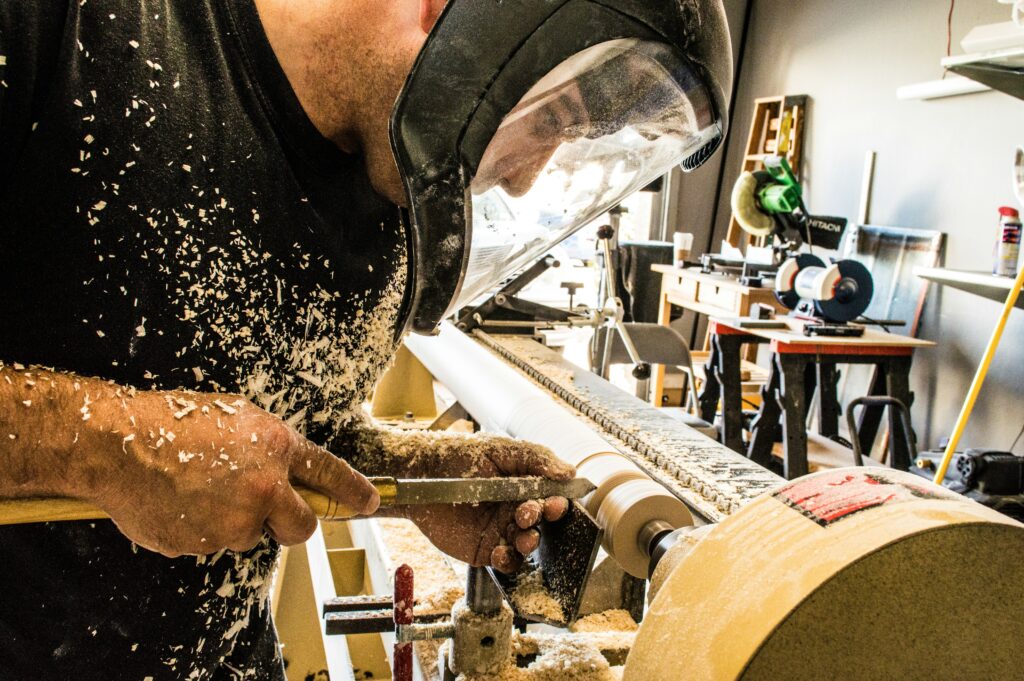
Detailed Instructions
Finding the right manufacturing partner is critical to successful sourcing custom furniture from China for luxury hotels.
Research potential manufacturers:
- Attend international furniture fairs (Canton Fair, Shenzhen International Furniture Fair, CIFF)
- Use B2B platforms like Alibaba, Made-in-China, and Global Sources with filters for “customization” and “hotel furniture”
- Hire a China-based sourcing agent or consultant specializing in hospitality furniture
- Request referrals from hotel industry networks and professional associations
Evaluate manufacturer credentials:
- Verify business licenses and export certifications
- Request client portfolios specifically showing luxury hotel projects
- Check for quality certifications (ISO 9001, FSC for sustainable wood)
- Confirm fire retardancy testing capabilities (critical for hotel furniture)
- Assess production capacity against your volume needs
Conduct factory assessments:
- Arrange virtual or in-person factory tours
- Evaluate equipment sophistication (CNC machines, spray booths, upholstery stations)
- Assess quality control procedures and dedicated QC teams
- Review worker skill levels and training programs
- Inspect material storage conditions
Create a shortlist:
- Narrow down to 3-5 manufacturers that specialize in your furniture category
- Prioritize factories with proven luxury hotel experience
- Balance between larger established factories and specialized boutique manufacturers
Tips
- Look for hotel furniture specialists: Manufacturers focused on hospitality understand fire codes, durability requirements, and maintenance considerations
- Verify references independently: Contact previous clients directly to inquire about quality, communication, and on-time delivery
- Consider geographic location: Factories near major ports (Guangdong, Zhejiang) typically offer better logistics and shorter lead times
- Assess English proficiency: Strong communication prevents costly misunderstandings during production
Step 3: Request Samples and Evaluate Quality Standards

Detailed Instructions
Sampling is the most critical phase in your sourcing custom furniture from China for luxury hotels guide, as it determines whether the manufacturer can meet luxury standards.
Initiate the sampling process:
- Request quotes from your shortlisted manufacturers with detailed specifications
- Negotiate sample costs (typically $200-$2,000 per piece depending on complexity)
- Clarify sample timeline (expect 4-8 weeks for custom pieces)
- Specify shipping method for samples (air freight for speed, though expensive)
Define sample acceptance criteria:
- Create a detailed inspection checklist covering:
- Dimensional accuracy (within 2-3mm tolerance)
- Material quality and grain matching
- Finish consistency and smoothness
- Joint strength and construction quality
- Hardware functionality and alignment
- Upholstery tension and stitching precision
- Fire certification test reports
Conduct thorough sample evaluation:
- Involve all stakeholders (designers, procurement, operations, quality teams)
- Test functionality extensively (open/close drawers 50+ times, sit on chairs)
- Compare against luxury hotel standards and existing furniture
- Photograph any defects or inconsistencies with detailed notes
- Request material swatches and finish samples for variations
Provide detailed feedback:
- Create a comprehensive revision document with annotated photos
- Be specific about required changes (not “improve quality” but “increase foam density from 35kg/m³ to 40kg/m³”)
- Request second samples if initial samples require significant modifications
- Approve final “golden sample” that becomes the production standard
Tips
- Never skip sampling: Even established manufacturers need to prove they can execute your specific design
- Test destructively if possible: Order extra samples to literally take apart and examine internal construction
- Document the golden sample: Video and photograph extensively from all angles to reference during bulk production inspections
- Consider samples an investment: Quality sample evaluation prevents expensive bulk production mistakes
- Test fire retardancy independently: Send fabric samples to third-party testing labs to verify compliance
Step 4: Negotiate Terms and Finalize Contracts
Detailed Instructions
Proper contractual agreements protect your investment when sourcing custom furniture from China for luxury hotels.
Negotiate pricing structure:
- Request itemized quotations breaking down materials, labor, and profit margins
- Negotiate based on order volume (bulk discounts typically 10-25%)
- Clarify what’s included (packaging, local transport to port, documentation)
- Lock in prices with raw material fluctuation clauses
- Negotiate sample costs deduction from bulk order
Define quality assurance terms:
- Specify acceptable defect rates (typically 2-3% for luxury furniture)
- Detail inspection protocols (pre-production, during production, pre-shipment)
- Define quality standards referencing approved golden samples
- Include third-party inspection rights
- Establish remediation processes for defective goods
Establish payment terms:
- Negotiate payment schedule (typical: 30% deposit, 60% before shipment, 10% after delivery)
- Consider Letter of Credit for large orders (safer but more expensive)
- Include penalty clauses for delays
- Define currency (USD preferred for stability)
- Clarify bank transfer fees responsibility
Outline delivery and logistics:
- Specify Incoterms (FOB, CIF, or DDP depending on your logistics capability)
- Detail packaging requirements (foam wrapping, cardboard corners, wooden crates)
- Establish delivery timeline with milestone dates
- Include force majeure provisions
- Define shipping method and freight forwarder responsibility
Create comprehensive contracts:
- Engage a lawyer familiar with China trade law
- Include all specifications, drawings, and golden sample references as appendices
- Detail intellectual property protection for custom designs
- Specify arbitration location and governing law
- Include confidentiality and non-compete clauses
Tips
- Everything in writing: Verbal agreements mean nothing—document every detail in the contract
- Build in buffer time: Add 15-20% extra time to quoted lead times for unexpected delays
- Protect your designs: Register design patents if creating truly unique pieces
- Use staged payments wisely: Never pay full amount before inspection and shipment
- Consider trade insurance: Protect against manufacturer default, quality issues, or shipping damage
Step 5: Monitor Production with Regular Quality Control
Detailed Instructions
Active production monitoring is essential when sourcing custom furniture from China for luxury hotels to ensure bulk production matches your approved samples.
Implement pre-production inspection (PPI):
- Schedule inspection before mass production begins (after first 10% completion)
- Verify raw materials match specifications (wood species, fabric grades, foam density)
- Confirm production team understands specifications
- Check that golden sample is displayed at workstations as reference
- Review production schedule and capacity allocation
Conduct during production inspection (DUPRO):
- Schedule mid-production inspections at 30-50% completion
- Check consistency across multiple units
- Identify and correct issues before full production
- Verify assembly processes follow approved methods
- Test random samples for functionality and durability
Perform pre-shipment inspection (PSI):
- Inspect 100% of goods visually or use statistical sampling (AQL 2.5 standard)
- Verify dimensions, finishes, and functionality against golden sample
- Check packaging adequacy for international shipping
- Review all required documentation (packing lists, certificates, test reports)
- Photograph approved goods for reference upon arrival
Utilize third-party inspection services:
- Hire independent QC firms (SGS, Bureau Veritas, QIMA, AsiaInspection)
- Costs typically $200-500 per day depending on inspection complexity
- Receive objective reports with photo documentation
- Leverage their expertise in international quality standards
- Use reports as leverage for corrections before shipment
Tips
- Visit factories personally if possible: Nothing replaces seeing production firsthand, especially for first orders
- Establish clear inspection criteria: Provide inspectors with detailed checklists referencing your specifications
- Don’t rely solely on manufacturer photos: Self-reporting often hides defects
- Act quickly on inspection findings: Delays in addressing issues compound costs
- Build relationships with factory QC managers: Direct communication often resolves issues faster than going through sales
Step 6: Manage Logistics and Customs Clearance
Detailed Instructions
Efficient logistics management ensures your custom furniture arrives on schedule and in perfect condition.
Select shipping method:
- Sea freight (most common): Cost-effective for large volumes; 4-6 weeks Asia to North America, 3-5 weeks to Europe
- Air freight: 10x more expensive but 5-7 days delivery for urgent or sample orders
- Rail freight: Emerging option for Europe via China-Europe railway; cheaper than air, faster than sea
Choose between shipping terms:
- FOB (Free On Board): You arrange shipping from Chinese port; more control but requires logistics expertise
- CIF (Cost, Insurance, Freight): Manufacturer delivers to your port; simpler but less control
- DDP (Delivered Duty Paid): Manufacturer handles everything to your hotel; most expensive but most convenient
Work with freight forwarders:
- Select forwarders experienced in furniture shipping (special handling required)
- Request all-in quotes including port fees, documentation, and insurance
- Verify insurance coverage (typically 110% of invoice value)
- Confirm container type (20ft, 40ft, 40ft High Cube based on volume)
- Request container loading supervision to maximize space and prevent damage
Prepare for customs clearance:
- Obtain complete documentation from manufacturer (commercial invoice, packing list, bill of lading)
- Classify furniture correctly using HS codes (impacts duty rates)
- Prepare for import duties (typically 0-8% for furniture, varies by country)
- Hire customs broker or use freight forwarder’s customs service
- Ensure fire certificates and compliance documents are ready for inspection
Track and communicate:
- Monitor shipment progress using container tracking systems
- Communicate arrival dates to hotel operations for receiving preparation
- Arrange final-mile delivery to hotel with specialized furniture movers
- Coordinate delivery timing to minimize hotel operations disruption
Tips
- Consolidate shipments: Combine orders when possible to reduce per-unit shipping costs
- Understand Incoterms fully: Misunderstanding responsibilities leads to surprise costs
- Insurance is essential: Furniture damage during shipping is common; comprehensive coverage protects your investment
- Plan for peak season delays: Chinese New Year (Jan/Feb) and Golden Week (Oct) add 2-4 weeks to schedules
- Consider consolidation warehouses: If ordering from multiple manufacturers, combine at Chinese warehouse before shipping
Step 7: Conduct Final Inspection and Installation
Detailed Instructions
The receiving and installation phase completes your sourcing custom furniture from China for luxury hotels guide journey.
Prepare receiving area:
- Designate clean, dry storage space for furniture before installation
- Ensure adequate space for unpacking and inspection
- Prepare tools for opening crates and protective equipment
- Schedule receiving during low-occupancy periods if hotel is operational
- Brief receiving team on handling procedures to prevent damage
Perform delivery inspection:
- Count all items against packing list before signing delivery documents
- Note any visible external damage on delivery receipt
- Photograph damaged packaging before accepting goods
- Open random samples to verify internal condition
- Compare received items to approved samples and specifications
Conduct detailed quality inspection:
- Unpack and inspect all furniture within insurance claim period (typically 7 days)
- Check each piece against quality checklist used during PSI
- Test functionality (drawers, doors, mechanisms, upholstery)
- Verify fire certification labels are attached as required by local regulations
- Document defects with detailed photos and descriptions
Coordinate installation:
- Schedule installation by room type to streamline process
- Use manufacturer-provided assembly instructions
- Employ professional installers experienced with hotel furniture
- Perform post-installation inspection of each room
- Touch up minor finish issues resulting from shipping
Handle defective items:
- Contact manufacturer immediately with detailed defect documentation
- Negotiate remediation (replacement, credit, repair guidance)
- Separate defective items and determine if local repair is possible
- Document everything for potential insurance or contractual claims
Final acceptance and payment:
- Complete final walkthrough with all stakeholders
- Calculate final acceptance rate and defect percentage
- Release final payment per contract terms (typically after successful installation)
- Request manufacturer’s warranty documentation
- Establish post-installation support protocol
Tips
- Don’t rush acceptance: Thoroughly inspect before signing off—claims after acceptance are difficult
- Keep original packaging: Retain for potential returns and for protecting furniture during future hotel renovations
- Create installation guides: Document proper assembly for future reference and replacement rooms
- Test one complete room first: Identify installation challenges before rolling out to all rooms
- Build contingency inventory: Order 5-10% extra pieces for future replacements and damage reserves
Step 8: Establish Long-Term Supplier Relationships and Reorder Systems
Detailed Instructions
Successful sourcing custom furniture from China for luxury hotels extends beyond a single project to creating sustainable procurement partnerships.
Evaluate manufacturer performance:
- Create comprehensive supplier scorecards rating:
- Quality (defect rates, consistency with samples)
- Delivery (on-time performance, schedule adherence)
- Communication (responsiveness, English proficiency, problem-solving)
- Flexibility (accommodation of changes, solution-oriented approach)
- Innovation (suggestions for improvements, new materials/techniques)
Formalize partnership agreements:
- Negotiate preferred supplier status for ongoing orders
- Establish volume-based pricing tiers
- Create framework agreements for multiple hotel properties
- Set up streamlined reorder processes with reduced sampling requirements
- Define quality assurance protocols based on proven track record
Maintain design consistency:
- Store golden samples securely at manufacturer for future reference
- Digitally archive all specifications, drawings, and approved materials
- Create detailed furniture catalogs for your hotel brand
- Establish version control for design modifications
- Request manufacturer maintain material inventory for continuity
Plan for replacement and expansion:
- Forecast replacement needs (typically 5-10% annually for high-traffic pieces)
- Schedule regular reorder windows to maintain price consistency
- Coordinate orders across multiple properties for volume discounts
- Build replacement inventory for fast-wearing items (lobby furniture, restaurant seating)
Implement continuous improvement:
- Schedule annual supplier reviews to discuss performance
- Share guest feedback regarding furniture comfort and durability
- Collaborate on material upgrades and cost optimizations
- Stay informed about new manufacturing capabilities
- Visit factory periodically to maintain relationship and assess capabilities
Develop backup supplier strategies:
- Maintain relationships with 2-3 qualified manufacturers
- Avoid complete dependence on single supplier
- Test smaller orders with alternative suppliers periodically
- Share supply chain risks with manufacturer (raw material sourcing, capacity constraints)
Tips
- Relationships matter in China: Personal connections (guanxi) significantly improve service, flexibility, and priority treatment
- Visit during non-ordering periods: Relationship-building visits between orders strengthen partnerships
- Communicate hotel performance: Share hotel success stories and photos featuring their furniture—manufacturers value this for marketing
- Pay promptly: Reliable payment builds trust and often unlocks better pricing and priority production slots
- Think long-term: Initial orders may be challenging, but established relationships become increasingly efficient and valuable
Step 9: Mitigate Risks and Handle Common Challenges
Detailed Instructions
Understanding and preparing for common challenges ensures successful execution of your sourcing custom furniture from China for luxury hotels guide.
Address quality inconsistencies:
- Challenge: Bulk production doesn’t match approved samples
- Solution: Implement strict during-production inspections; hold partial payments until quality confirmed; use third-party QC
- Prevention: Extremely clear specifications; golden sample with manufacturer; regular communication during production
Manage timeline delays:
- Challenge: Production or shipping delays threaten hotel opening dates
- Solution: Build 20-30% buffer time; maintain regular production updates; have contingency plans (temporary rental furniture)
- Prevention: Choose manufacturers with proven delivery records; penalty clauses in contracts; monitor production actively
Navigate communication barriers:
- Challenge: Language differences and cultural miscommunication lead to errors
- Solution: Hire bilingual sourcing agents; use visual documentation extensively; confirm understanding repeatedly
- Prevention: Work with manufacturers with strong English capabilities; use video calls not just email; written confirmations of all agreements
Handle intellectual property concerns:
- Challenge: Design theft or unauthorized production for competitors
- Solution: Register design patents in China; include strong NDA clauses; work with reputable manufacturers with reputation to protect
- Prevention: Research manufacturer reputation thoroughly; limit design sharing until contract signed; watermark design documents
Manage payment risks:
- Challenge: Sending large deposits to foreign manufacturers creates financial exposure
- Solution: Use Letters of Credit for large orders; verify manufacturer legitimacy; stage payments tied to milestones
- Prevention: Start with smaller test orders; use B2B platforms with payment protection; verify business licenses and visit factories
Address sustainability and compliance:
- Challenge: Ensuring ethical labor practices and environmental standards
- Solution: Request factory audit reports (BSCI, SEDEX); visit factories personally; require FSC certification for wood
- Prevention: Choose manufacturers with established certifications; include compliance requirements in contracts; periodic audits
Handle post-delivery issues:
- Challenge: Defects discovered after installation or during warranty period
- Solution: Clear warranty terms (typically 1-2 years); local repair capabilities; manufacturer replacement commitment
- Prevention: Thorough pre-shipment inspection; photographic documentation; clear warranty clauses defining responsibilities
Tips
- Insurance protects investments: Comprehensive insurance for production, shipping, and installation is essential for large orders
- Diversify risk: For very large projects, split orders among multiple manufacturers
- Legal protection matters: Contracts should be enforceable in China with Chinese addendums to Western contracts
- Cultural understanding: Learn basic Chinese business etiquette; small gestures significantly improve relationships
- Weather dependencies: Monsoon seasons and extreme weather can affect production and shipping—plan accordingly
Step 10: Optimize Costs While Maintaining Luxury Standards
Detailed Instructions
Strategic cost management ensures competitive pricing without compromising the luxury quality essential for high-end hotels.
Conduct value engineering:
- Review specifications to identify cost-saving opportunities without quality sacrifice
- Consider alternative materials with similar aesthetics (engineered wood with veneer vs. solid wood)
- Optimize furniture dimensions to reduce material waste
- Simplify overly complex designs that increase labor costs
- Balance custom elements with some standardized components
Leverage volume strategically:
- Combine orders across multiple hotel properties or phases
- Negotiate annual volume commitments for preferential pricing
- Order complete room sets rather than individual pieces
- Plan ahead to avoid rush charges for expedited production
- Coordinate timing with other buyers for shared container shipping
Optimize logistics costs:
- Container consolidation reduces per-unit shipping costs significantly
- Choose slower shipping methods when timelines allow
- Negotiate better rates with freight forwarders for repeat business
- Consider direct factory-to-destination shipping for very large orders
- Optimize packaging to maximize container utilization (custom crating)
Negotiate smartly:
- Request detailed cost breakdowns to understand pricing structure
- Target 15-25% reduction from initial quotes through negotiation
- Negotiate better payment terms (later final payment reduces cash flow burden)
- Request free replacement inventory for defective items
- Negotiate design service inclusion (technical drawings, renderings)
Balance cost and quality:
- Invest more in high-visibility, high-touch furniture (lobby, restaurant)
- Use more cost-effective solutions for back-of-house or low-traffic areas
- Prioritize durability in high-wear items even if initial cost is higher
- Accept minor aesthetic variations that don’t affect guest experience
- Test mid-tier manufacturers for less critical furniture categories
Understand total cost of ownership:
- Factor maintenance, replacement frequency, and warranty costs
- Higher initial quality often reduces long-term replacement costs
- Consider resale value for future hotel renovations
- Calculate true landed cost (product + shipping + duties + installation)
- Compare against domestic sourcing for realistic cost-benefit analysis
Tips
- Don’t compromise fire safety: Cutting costs on fire retardancy creates liability and regulatory risks
- Cheap becomes expensive: Defective furniture requires costly replacements and damages brand reputation
- Transparency builds trust: Manufacturers appreciate buyers who understand reasonable profit margins
- Long-term pricing: Lock in multi-year pricing agreements during favorable market conditions
- Hidden costs: Factor in quality control, travel, sampling, and administrative time when calculating true savings
Conclusion
Mastering sourcing custom furniture from China for luxury hotels requires strategic planning, attention to detail, and active management throughout the process. This comprehensive guide has walked you through the essential ten steps: defining specifications, identifying qualified manufacturers, sampling rigorously, negotiating contracts, monitoring production quality, managing logistics, conducting final inspections, building supplier relationships, mitigating risks, and optimizing costs.
The key to success lies in treating Chinese manufacturers as strategic partners rather than mere vendors. By investing time in thorough vetting, maintaining clear communication, implementing robust quality control, and nurturing long-term relationships, you can consistently source luxury-grade custom furniture that enhances your hotel’s brand while achieving significant cost savings compared to domestic procurement.
China’s furniture manufacturing sector offers unparalleled customization capabilities, advanced production technology, and competitive pricing—making it an ideal sourcing destination for luxury hospitality projects worldwide. However, success requires the professional approach outlined in this sourcing custom furniture from China for luxury hotels guide.
Remember that your first order establishes the foundation for all future collaborations. Take time to properly execute each step, learn from challenges, and continuously refine your procurement processes. With experience, you’ll develop efficient systems, trusted supplier networks, and the expertise to deliver exceptional furniture programs for luxury hotel properties globally.
Whether you’re furnishing a boutique hotel or a large international chain, the principles in this guide provide a proven framework for successful custom furniture procurement from China. Start with clear specifications, choose quality-focused partners, maintain rigorous standards, and build relationships that deliver consistent excellence across all your hospitality projects.
Ready to begin your custom furniture sourcing journey? Start by defining your specifications comprehensively, then reach out to qualified manufacturers with confidence in the process you now understand thoroughly. Your luxury hotel guests deserve exceptional furniture—and with this guide, you’re equipped to deliver exactly that while optimizing your procurement investment.
Leave a Reply