Importing furniture from China remains one of the most cost-effective ways for B2B buyers—importers, interior designers, retailers, and hospitality procurement teams—to source high-quality products at competitive prices. Whether you’re establishing a new supply chain or expanding your existing vendor network, understanding the complete import process is critical to avoiding costly mistakes and ensuring smooth operations.
This comprehensive guide walks you through how to import furniture from china step-by-step, from supplier identification to final delivery. By following these proven strategies, you’ll minimize risks, optimize costs, and build reliable partnerships with Chinese manufacturers.
Why Import Furniture from China?
China dominates global furniture manufacturing for good reason. The country offers:
- Manufacturing scale: Access to thousands of factories producing everything from mass-market pieces to custom high-end furniture
- Cost efficiency: Lower production costs without sacrificing quality, especially when ordering at volume
- Supply chain maturity: Established logistics networks, experienced freight forwarders, and streamlined export processes
- Product variety: From solid wood and upholstery to metal and rattan—virtually every furniture category is available
- Customization capabilities: Most factories accept OEM/ODM orders, allowing you to develop proprietary designs
For B2B buyers, these advantages translate directly into better margins and competitive positioning in your home market.
Step 1: Define Your Product Requirements Before Importing Furniture from China
Before contacting any suppliers, document your exact specifications. Vague requests lead to mismatched expectations, delays, and quality disputes.
Product Specification Checklist
| Category | Details to Define |
|---|---|
| Product type | Specific furniture category (dining chairs, sofas, beds, office desks, etc.) |
| Materials | Wood species, fabric types, metal finishes, foam density |
| Dimensions | Exact measurements in millimeters (standard Chinese unit) |
| Quantity | Initial order volume and projected annual volumes |
| Quality grade | Target market positioning (mass market, mid-range, premium) |
| Certifications | Required standards (FSC, CARB Phase 2, BIFMA, fire safety ratings) |
| Packaging | Individual wrapping, carton specs, palletization requirements |
Budget Planning
Calculate your total landed cost, not just the FOB price:
- Product cost (FOB)
- Sea freight or air freight
- Insurance
- Customs duties and import taxes
- Port handling and documentation fees
- Inland transportation to your warehouse
Sample Landed Cost Calculation (40ft container of dining chairs):
| Cost Component | Amount (USD) | Notes |
|---|---|---|
| Product FOB | $18,000 | 300 chairs @ $60/unit |
| Ocean freight | $2,800 | Shanghai to Los Angeles |
| Insurance | $210 | 110% of CIF value @ 0.1% |
| Customs duty (0%) | $0 | Wooden furniture duty rate |
| Harbor maintenance | $150 | Port fees |
| Customs broker | $350 | Documentation handling |
| Inland trucking | $800 | Port to warehouse |
| Total Landed Cost | $22,310 | $74.37/unit actual cost |
A realistic budget prevents cash flow surprises and helps you negotiate from a position of knowledge. Always build in a 10-15% contingency for currency fluctuations and unexpected fees.
Step 2: Find and Vet Suppliers
Finding suppliers is easy. Finding reliable suppliers requires systematic vetting.

Sourcing Channels
- B2B platforms: Alibaba, Global Sources, Made-in-China
- Trade shows: CIFF (China International Furniture Fair), Furniture China (Shanghai)
- Sourcing agents: Local representatives who pre-qualify factories
- Industry referrals: Network with other importers in your sector
Supplier Vetting Process
Initial Screening:
- Verify business license and export license
- Check years in operation (prefer 5+ years)
- Review product portfolio alignment with your needs
- Assess communication responsiveness
- Check export experience to your target market
Red Flags to Watch For:
- Reluctance to provide factory address or business registration
- Pressure for large upfront payments before samples
- Unwillingness to sign quality agreements or NDAs
- Significantly lower pricing than competitors (often indicates corner-cutting)
- No verifiable export references
Factory Audit (Critical):
- Conduct on-site inspection or hire third-party auditors
- Verify production capacity matches your volume requirements
- Check quality control procedures and testing equipment
- Review social compliance and environmental practices
- Inspect raw material storage and finished goods warehouse
- Assess worker conditions and safety standards
Sample Evaluation:
- Order production samples, not showroom samples
- Test for construction quality, finish consistency, and packaging
- Document any defects or deviations from specifications
- Evaluate samples against your target market quality expectations
Reference Checks:
- Request 2-3 current export customer references
- Verify delivery reliability and quality consistency
- Ask about dispute resolution experiences
- Check if they’ve worked with buyers in your region
Pro tip: Always have backup suppliers. Relying on a single factory creates vulnerability if they face production delays, quality issues, or capacity constraints.
Step 3: Negotiate Terms and Place Orders
Key Contract Elements
| Element | What to Negotiate |
|---|---|
| Incoterms | FOB (Free On Board) is standard for sea freight; EXW if you control entire logistics |
| Payment terms | 30% deposit, 70% before shipment (common); consider LC for large orders |
| Lead time | Production schedule with milestone dates |
| Quality standards | Acceptable quality levels (AQL) and inspection protocols |
| Penalties | Late delivery clauses and defect remediation terms |
| Intellectual property | NDA and design protection agreements for custom products |
Payment Methods and Risk Management
| Method | Risk Level | Best For | Notes |
|---|---|---|---|
| T/T (Wire Transfer) | Medium | Established suppliers | 30% deposit, 70% before shipment is standard |
| Letter of Credit (LC) | Low | Large orders, new suppliers | Bank guarantees payment; higher fees ($300-800) |
| PayPal | Low | Samples, small orders | High fees (4-5%); supplier may refuse for large amounts |
| Alibaba Trade Assurance | Low | Platform-sourced suppliers | Escrow protection; dispute resolution available |
| D/P (Documents Against Payment) | Medium | Trusted relationships | Payment due before receiving shipping documents |
Risk Mitigation Strategies:
- Never pay 100% upfront for first orders
- Use Alibaba Trade Assurance for initial transactions
- Consider LC for orders over $50,000
- Maintain a 10-20% holdback until goods are received and inspected
Purchase Order Best Practices
- Include detailed product specifications with technical drawings
- Specify packaging requirements (carton marks, pallet configuration)
- Define inspection timing (pre-shipment inspection is standard)
- Attach signed quality agreement
- Confirm shipping marks and documentation requirements
Step 4: Manage Production and Quality Control

Production Monitoring
For first-time orders or large volumes, implement active production monitoring:
- Pre-production meeting: Confirm materials, samples, and timeline before manufacturing begins
- In-process inspections: Check critical production stages (frame construction, upholstery, finishing)
- Pre-shipment inspection (PSI): Final quality check when production is 80-100% complete
Quality Control Checkpoints
- Materials verification: Ensure specified wood, fabric, and hardware are used
- Dimensional accuracy: Measure against approved specifications
- Construction integrity: Check joints, welds, and structural stability
- Finish quality: Inspect staining, painting, and upholstery work
- Function testing: Verify moving parts, drawers, and mechanisms
- Packaging inspection: Confirm protection adequacy for international shipping
Consider third-party inspection companies like SGS, Bureau Veritas, or Asia Inspection for quality verification.
Step 5: Arrange Shipping and Logistics
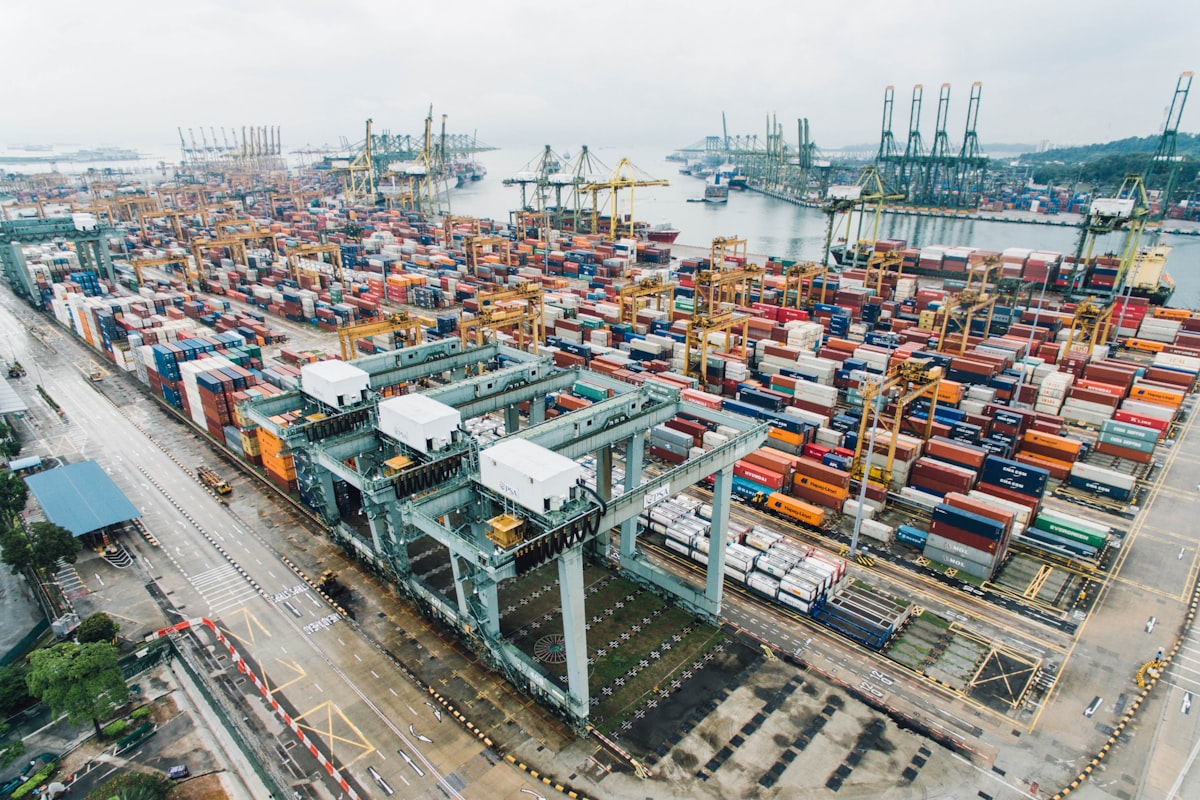
Shipping Methods Comparison
| Method | Transit Time | Best For | Cost Factor |
|---|---|---|---|
| FCL (Full Container Load) | 20-40 days | Large orders filling 20ft or 40ft containers | Lowest per-unit cost |
| LCL (Less than Container Load) | 25-45 days | Smaller orders sharing container space | Higher per-unit cost |
| Air freight | 5-10 days | Urgent orders, samples, high-value items | 5-10x sea freight cost |
Major Shipping Routes and Transit Times
Understanding typical transit times helps with inventory planning:
| Route | Transit Time | Notes |
|---|---|---|
| Shanghai → Los Angeles | 14-18 days | Most competitive rates; frequent sailings |
| Shanghai → New York (via Panama) | 25-30 days | East Coast access; consider Suez alternative |
| Shanghai → Rotterdam | 25-30 days | Major European hub; excellent rail connections |
| Shanghai → Felixstowe | 28-32 days | UK direct service; customs pre-clearance available |
| Shenzhen → Sydney | 12-16 days | Australia/New Zealand route |
| Ningbo → Mumbai | 15-20 days | India direct |
| Qingdao → Dubai | 18-22 days | Middle East gateway; transshipment hub |
Container Loading Strategies
- 20ft container: ~28 CBM capacity, suitable for smaller orders
- 40ft standard: ~58 CBM, most common for furniture
- 40ft high cube: ~68 CBM, optimal for bulky items like sofas and beds
Loading optimization tips:
- Request factory loading plans to maximize space utilization
- Specify stacking limits to prevent damage
- Use load bars and straps to secure cargo
- Photograph loaded containers for insurance documentation
Documentation Requirements
Ensure your supplier provides:
- Commercial invoice
- Packing list
- Bill of lading (B/L) or sea waybill
- Certificate of origin
- Quality inspection certificate (if applicable)
- Fumigation certificate (for wooden furniture in some markets)
Step 6: Navigate Customs and Duties
Understanding import regulations prevents clearance delays and unexpected costs.
Customs Documentation
Prepare these documents for customs clearance:
- Commercial invoice and packing list
- Bill of lading
- Import license (if required in your country)
- Product compliance certificates
- Customs bond (for US imports)
Import Duties and Taxes
Duty rates vary by product classification and destination country.
Common HS Codes for Furniture:
| Product Category | HS Code | Typical US Duty | EU Duty |
|---|---|---|---|
| Wooden chairs | 9403.60 | 0% | 0% |
| Wooden tables | 9403.30 | Free | 0% |
| Upholstered seats | 9401.71 | 0% | 0% |
| Metal furniture | 9403.20 | Free | 0% |
| Bedroom furniture (wood) | 9403.50 | Free | 0% |
| Mattresses | 9404.21 | 0% | 0% |
Note: Duty rates change; verify current rates with customs authorities or your broker.
Additional Fees to Budget:
- Merchandise Processing Fee (US): 0.3464% of value (min $27.75, max $538.40)
- Harbor Maintenance Fee (US): 0.125% of value
- VAT/GST: 20% (UK), 19-27% (EU), 10% (Australia), 15% (NZ)
- Customs examination fees: $150-500 if container is inspected
General considerations:
- HS codes determine duty rates—ensure accurate classification
- Some countries offer preferential rates under trade agreements
- VAT or GST applies in most jurisdictions
- Anti-dumping duties may apply to certain furniture categories in specific markets
Working with Customs Brokers
For complex shipments, hiring a licensed customs broker simplifies HS code classification, duty calculation, document preparation, and communication with customs authorities.
Step 7: Handle Inland Delivery and Warehousing

Once cleared through customs, arrange final delivery to your facility: port drayage, unloading and inspection, warehousing, and distribution to customers.
Consider 3PL providers specializing in furniture handling for storage, fulfillment, and delivery.
Common Mistakes When You Import Furniture from China
Avoid these pitfalls that trip up even experienced importers:
1. Insufficient Supplier Vetting
Rushing to place orders without proper factory audits leads to quality disasters and delivery failures. Invest time upfront in verification.
2. Unclear Specifications
Ambiguous product descriptions result in products that don’t meet expectations. Document everything in writing with visual references.
3. Skipping Pre-Shipment Inspection
Assuming factories will self-police quality is risky. Independent inspection catches issues before goods leave China.
4. Poor Incoterm Selection
Choosing the wrong shipping terms can shift unexpected costs and risks to your side. Understand exactly what each Incoterm includes.
5. Inadequate Packaging
Furniture is vulnerable to moisture, impact, and rough handling. Specify protective packaging appropriate for international transit.
6. Underestimating Total Costs
FOB price is just the beginning. Calculate full landed costs including freight, insurance, duties, and inland transport before pricing your retail offerings.
7. No Backup Suppliers
Single-source dependency creates vulnerability. Maintain relationships with at least two qualified suppliers per product category.
8. Ignoring Compliance Requirements
Furniture often faces regulatory requirements (flammability, chemical emissions, safety standards). Verify compliance before ordering.
Regional Considerations
Import procedures vary by destination market.
Key Market Requirements
United States:
- ISF filing 24 hours before loading
- ISPM-15 wood packaging standards
- California Prop 65 warnings
- CPSC compliance for children’s furniture
European Union:
- CE marking for certain furniture
- REACH chemical compliance
- EUTR due diligence for wood
- Packaging Waste Directive
United Kingdom:
- UKCA marking for GB market
- Customs declarations required
- EORI number required
Australia:
- Biosecurity inspections
- BICON import conditions
- ACCC safety standards
Middle East:
- G-Mark certification
- SASO requirements (Saudi Arabia)
- Arabic labeling requirements
Building Long-Term Supplier Relationships
Successful importing isn’t transactional—it’s relational. Invest in your supplier partnerships:
- Regular communication: Visit factories annually; maintain monthly contact
- Consistent orders: Predictable volumes help suppliers prioritize your production
- Fair negotiation: Aggressive price pressure degrades quality over time
- Problem resolution: Address issues constructively
- Growth partnership: Share market insights so suppliers invest in supporting your business
Strong relationships translate into better pricing, priority production slots, and collaborative problem-solving.
Conclusion
Importing furniture from China offers significant opportunities for B2B buyers who approach the process systematically. Success requires supplier vetting, clear communication, quality control, and logistics planning.
By following the steps in this guide—defining requirements, vetting suppliers, negotiating terms, managing production, arranging shipping, navigating customs, and avoiding common mistakes—you’ll build a reliable supply chain.
The furniture import landscape continues evolving with changing trade policies, sustainability requirements, and logistics innovations.
Need Expert Sourcing Support?
Navigating the complexities of importing furniture from china requires experience and established relationships. At FurnitureMadeInChina.com, we specialize in connecting B2B buyers with pre-vetted, reliable furniture manufacturers across China.
Our team provides supplier identification, factory audits, quality control, logistics coordination, and ongoing sourcing support.
Contact us today to discuss your furniture sourcing requirements and discover how we can streamline your import operations while reducing risk and cost.
📧 Email: sourcing@furnituremadeinchina.com
🌐 Website: furnituremadeinchina.com
Last updated: February 2025
Leave a Reply