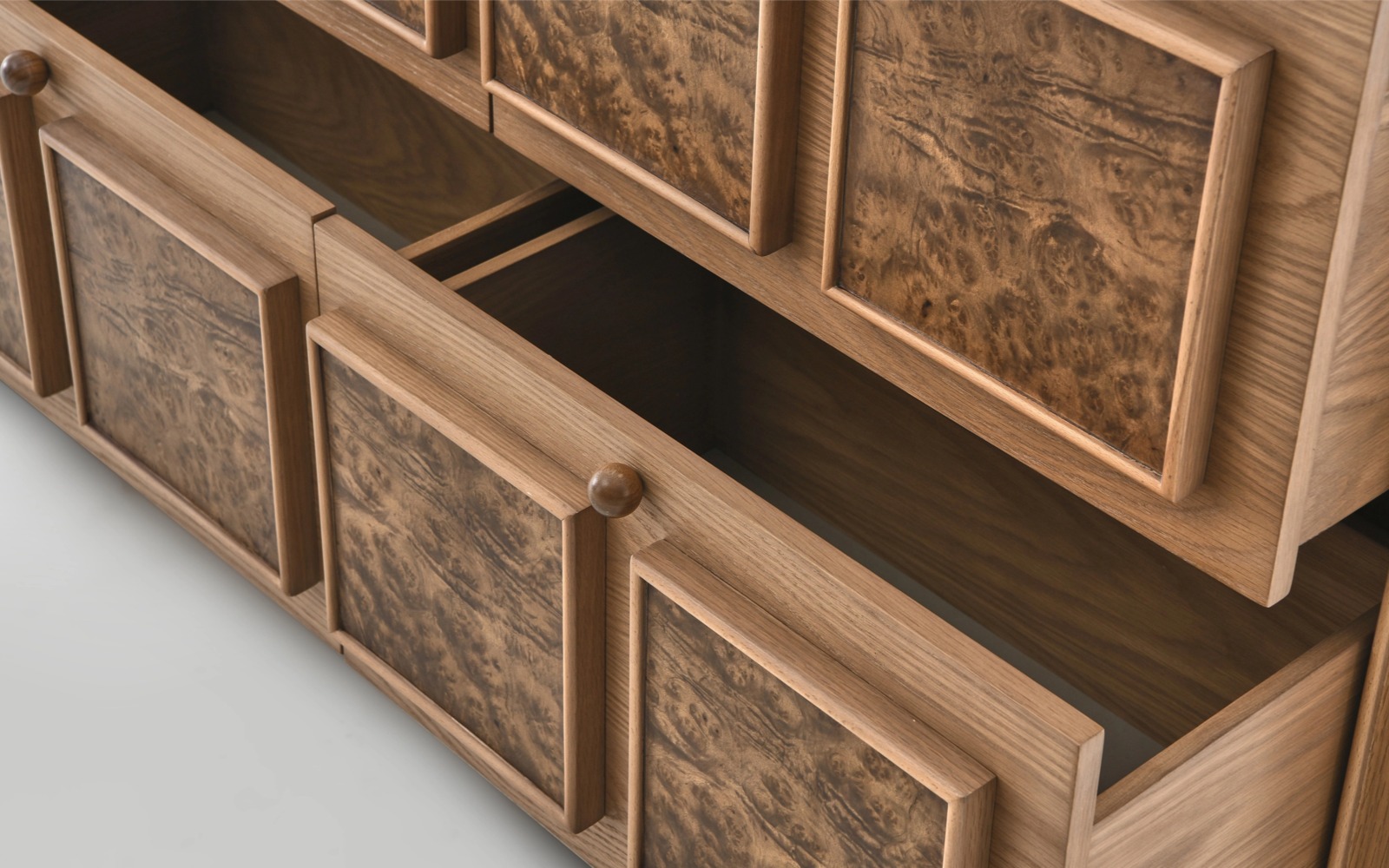
Category: Sourcing Guide

  • How to Master Looking for Minotti style? How our factory matches quality without the markup: Complete Guide

    How to Master Looking for Minotti style? How our factory matches quality without the markup: Complete Guide

    Here is a comprehensive step-by-step guide designed to help luxury furniture enthusiasts and interior designers understand how to identify and source high-end Italian-style furniture without the premium brand pricing.


    How to Master Looking for Minotti style? How our factory matches quality without the markup: Complete Guide

    Introduction

    Italian furniture design, particularly the clean lines and sophisticated silhouettes associated with brands like Minotti, represents the pinnacle of modern interior aesthetic. However, acquiring authentic showroom pieces often comes with a price tag inflated by branding, marketing, and retail overheads.

    Are you Looking for Minotti style? How our factory matches quality without the markup is the question on the minds of savvy homeowners and contract designers. This guide will walk you through the technical distinctives of high-end Italian furniture and explain the manufacturing processes we use to replicate that top-tier quality, allowing you to achieve the look and feel of luxury for a fraction of the cost.


    Step 1: Decode the "Minotti" Design Language

    To master the look, you must first understand the architectural principles behind the furniture. It isn't just about a sofa; it's about proportion and stance.

    Instructions:

    1. Analyze the Low Profile: Observe how Minotti-style sofas and armchairs often sit lower to the ground. Look for base heights that emphasize horizontal lines.
    2. Identify Modular Geometry: Sketch out the room layout. This style relies heavily on modular systems—square and rectangular units that float freely or lock together.
    3. Check the Feet: Look for discreet, often metallic, blade-like feet or recessed bases that give the furniture a floating appearance.

    Tip: Authentic style lies in the "negative space." Ensure your room layout allows the furniture to breathe, rather than pushing pieces against a wall.


    Step 2: Inspect the Internal Frame Construction

    The longevity of a luxury piece is determined by what you can't see. The markup on designer furniture partly goes toward engineering, but our factory matches this structural integrity directly.

    Instructions:

    1. Look for Solid Wood: Verify that the main load-bearing frame is constructed from kiln-dried solid hardwood (like beech or birch), not particle board.
    2. Check Metal Reinforcement: For long spans typical of this style, ensure there is a steel sub-frame or metal reinforcement to prevent sagging over time.
    3. Suspension Systems: Ask about the suspension. High-end manufacturing uses high-gauge serpentine springs or distinct elastic webbing (often Intes webbing) woven in a crisscross pattern.

    How We Match Quality: Our factory utilizes solid beech wood frames reinforced with steel, mirroring the exact specifications of Italian production houses to ensure a lifetime guarantee on the structure.


    Step 3: Evaluate Foam Density and Cushioning

    Cheap replicas feel comfortable for five minutes but sag after a month. Capturing the true luxury feel requires a specific "sandwich" of materials.

    Instructions:

    1. Ask for High-Resilience (HR) Foam: Identify the foam density. You are looking for multi-density polyurethane foam. Ideally, a firmer core with a softer outer layer.
    2. The "Memory" Test: Press your hand firmly into the seat cushion. It should regain its shape immediately upon release.
    3. Down Feathers: Check if the top layer includes channeled goose down. This provides the "lived-in" luxury look that characterizes the Minotti aesthetic, distinct from the stiff look of cheaper furniture.

    Tip: We use Variable Density Polyurethane foam topped with sterilized goose feathers, ensuring the seat supports your weight while providing that initial soft "sink-in" feeling.


    Step 4: Scrutinize the Upholstery and Stitching

    When looking for Minotti style? How our factory matches quality without the markup becomes clear when you look at the sewing. This is where skilled artisanship is non-negotiable.

    Instructions:

    1. Examine Seams: Look for perfectly straight double-stitching or pinch seams. There should be no puckering or loose threads.
    2. Fabric Tension: The fabric or leather should be taut across the frame but not overstretched.
    3. Pattern Matching: If choosing a fabric with a weave or pattern, ensure the lines match up perfectly across seams and cushions.

    How We Match Quality: Our artisans use the specific "Pinch Stitch" technique often found in high-end Italian joinery, adding visual depth and structural strength to the seams.


    Step 5: Source the Right Leather and Fabrics

    The tactile experience is half of the luxury. An exact design copied in poor material will never look "right."

    Instructions:

    1. Identify Full-Grain Leather: strictly avoid "bonded" or "corrected" leather. You want full-grain or top-grain semi-aniline leather that shows natural characteristics.
    2. Touch the Texture: The leather should feel buttery and warm, not plastic-like or cold.
    3. Fabric Durability: For fabric options, look for high Martindale rub counts (commercial grade) which offer durability without sacrificing the soft hand-feel of natural fibers like linen or cotton velvet.

    Tip: Request physical swatches. Our factory sources leather from the same tanneries used by major European luxury brands, eliminating the "middleman" markup while keeping the material identical.


    Step 6: Verify Customization Capabilities

    One of the hallmarks of luxury brands is the ability to tailor a piece to a specific space. Mass-produced knock-offs come in one size; high-end manufacturing allows for modification.

    Instructions:

    1. Measure Your Space: accurate to the millimeter.
    2. Request Modifications: Ask if the length of a sofa or the finish of the legs can be altered.
    3. Coordinate Finishes: Ensure metal accents match other elements in your room (e.g., Brushed Bronze vs. Chrome).

    How We Match Quality: Because we build to order rather than stock mass inventory, we offer bespoke sizing and upholstery selection, giving you the "made-to-measure" experience of a high-end showroom.


    Step 7: Analyze the Cost Breakdown (The "No Markup" Logic)

    Understanding why the price is lower helps validate the quality.

    Instructions:

    1. Identify the "Brand Tax": Recognize that up to 60% of a designer furniture price pays for flagship store rents, global marketing campaigns, and licensing fees.
    2. Compare Direct Manufacturing: Look for a Direct-to-Consumer (DTC) model.
    3. Calculate the Savings: By removing the distributor and retailer, you are paying strictly for materials, labor, and logistics.

    Tip: When you buy from our factory, you are paying for the product, not the billboard. We invest the savings back into premium material sourcing.


    Conclusion

    Mastering the search for high-end furniture requires a shift in focus from the brand logo to the technical details of construction. By focusing on frame integrity, foam density, upholstery precision, and material authenticity, you can achieve a world-class interior.

    So, are you Looking for Minotti style? How our factory matches quality without the markup is no longer a mystery—it is a matter of smart sourcing. By prioritizing craftsmanship and materials over brand recognition, you can curate a space that exudes Italian elegance without the excessive price tag.

    Ready to transform your space? Contact our design team today to request material swatches and start building your dream interior.

  • Furniture Quality Control China: The Digital Sourcing Guide (No More Black Boxes)

    Furniture Quality Control China: The Digital Sourcing Guide (No More Black Boxes)

    **Furniture Quality Control China: The Digital Sourcing Guide (No More Black Boxes)**Introduction

    When sourcing custom furniture from China, quality control isn't just about inspecting the final product—it's about monitoring every hidden step of the manufacturing process. Traditional manufacturing in China relies on random factory visits and staged WeChat photos, creating a dangerous "black box" where critical defects hide beneath upholstery and veneers.

    In this comprehensive guide, you'll learn how to master modern furniture quality control service china through systematic, digitally traceable methods. You'll discover how to verify the invisible components that determine furniture longevity—inner frames, joint construction, foam density, and structural integrity—before they disappear under fabric and finishing.

    What You'll Learn:

    • How to establish systematic checkpoints at critical production nodes

    • Methods to capture and verify "hidden works" before they're concealed

    • How to use digital traceability systems instead of relying on manual updates

    • Strategies to prevent costly remakes through early-stage intervention

    • Daily quality monitoring habits that professional high-end buyers use

    This isn't your grandfather's quality control. This is Modern Sourcing powered by data streams, not dealer promises.


    Step 1: Establish Your Digital Quality Control Framework

    Detailed Instructions

    Before production begins, transition from ad-hoc quality checks to a systematic framework. Traditional furniture quality control service china operates on trust and periodic inspections—a recipe for discovering problems too late.

    Action Items:

    1. Require Production System Access: Demand dashboard credentials to your manufacturer's digital production tracking system. If they can't provide this, they're operating in the "black box" model.

    2. Map Critical Process Nodes: Identify the 5-7 checkpoints where quality is determined:

      • Raw material inspection (wood moisture content, metal gauge)

      • Bare frame assembly (joint construction, reinforcement placement)

      • Structural testing (weight-bearing, stress points)

      • Pre-upholstery inspection (the last chance to see hidden works)

      • Foam and filling verification (density, composition)

      • Sewing and fabric application

      • Final inspection

    3. Define Approval Gates: Set hard stops where production cannot proceed without your digital approval. This prevents the common problem of discovering frame defects only after upholstery is complete.

    Tips

    Look for Immutable Timestamps: Quality systems should show when photos were taken, not when they were sent. Staged photos can be taken anytime; real-time uploads prove what's happening now.

    Demand Worker-Level Traceability: The system should require individual workers to scan their ID at each station. This creates accountability and helps identify skill gaps.

    ⚠️ Red Flag: If a supplier says "We'll send you photos on WhatsApp," understand you're getting manually curated theater, not systematic proof.

    Business Context: Professional furniture buyers lose an average of 23% of their first orders to hidden defects. A digital framework reduces this to under 3% by catching issues before they're irreversible.


    Step 2: Verify Raw Materials Before They Enter Production

    Detailed Instructions

    The foundation of superior furniture quality control service china starts with materials verification—before a single cut is made. This checkpoint prevents the cascade of problems that arise from substandard inputs.

    Action Items:

    1. Review Digital Material Receipts: Log into your quality dashboard and check that uploaded material certifications match your specifications:

      • Hardwood species and grade (with moisture meter readings)

      • Plywood grade and formaldehyde compliance certificates

      • Metal tubing thickness (with caliper measurements)

      • Foam density test reports (ILD ratings)

    2. Require Comparison Photos: The system should show your approved sample next to the production batch materials with the same lighting and scale.

    3. Check Material Quarantine Logs: Modern systems should show that non-conforming materials are physically separated and cannot enter the production line.

    4. Approve Material Release: Use the dashboard to digitally approve materials for production—or reject them before they're cut.

    Tips

    The "Substitute Swap" Protection: Unscrupulous factories may show premium materials during sampling, then swap cheaper alternatives during production. Real-time material uploads with timestamps prevent this classic bait-and-switch.

    Moisture Content Is Critical: Wood with >12% moisture will warp post-delivery. Demand moisture meter readings uploaded to the system, not just verbal assurances.

    ⚠️ Hidden Cost: Accepting substandard materials "to save the timeline" will cost you 3-5x more in returns and brand damage.

    Business Context: Material substitution accounts for 40% of furniture quality failures. Digital verification eliminates the trust gap between what was promised and what was delivered.


    Step 3: Monitor Bare Frame Construction (The Most Critical Checkpoint)

    Detailed Instructions

    This is where furniture quality control service china makes or breaks your project. Once upholstery covers the frame, defects become invisible time bombs. Professional buyers know: "Quality is what happens when you aren't looking."

    Action Items:

    1. Access Frame Construction Photos in the Dashboard: Look for mandatory uploads showing:

      • Joint types (dowel, mortise-and-tenon, corner blocks)

      • Reinforcement placement (cross-bracing, gussets)

      • Glue application (even coating, no gaps)

      • Hardware installation (bolt placement, screw depth)

    2. Verify Against Your Technical Drawings: Use the system's side-by-side comparison tool to overlay worker-uploaded photos against your approved CAD drawings. Look for:

      • Correct dimensions at critical stress points

      • Proper curve execution for custom designs

      • Reinforcement in load-bearing areas

    3. Conduct Digital "Hidden Works" Review: Before approving, check these invisible-later elements:

      • Corner block attachment method

      • Spring suspension quality and spacing

      • Webbing tension and pattern

      • Internal frame sanding (splinters later cause upholstery tears)

    4. Flag Issues Immediately: Use the dashboard's "Hold Production" function if you spot problems. The system should prevent the piece from moving to upholstery until you clear it.

    Tips

    The "Custom Curve Test": For curved furniture, require workers to upload photos with a physical template overlay. A 2mm deviation in the frame stage becomes a 10mm visible defect post-upholstery.

    Insert Screenshot Suggestion: [Screenshot: Production dashboard showing worker uploading bare frame photo with automated dimension check overlay]

    ⚠️ Common Trap: Factories will say "trust us, the frame is fine inside." Once upholstered, you have zero recourse. Demand to see it NOW.

    Business Context: 67% of furniture warranty claims trace back to hidden frame defects. This checkpoint alone justifies the entire digital quality control investment.


    Step 4: Validate Foam, Filling, and Comfort Components

    Detailed Instructions

    The internal components determine comfort, durability, and whether your furniture will sag within a year. Effective furniture quality control service china must verify these elements before they're sealed inside.

    Action Items:

    1. Check Foam Density Uploads: The system should show:

      • Scale weight readings of foam pieces

      • ILD (Indentation Load Deflection) test results

      • Photos of foam grade markings (many factories swap HR foam for cheap polyurethane)

    2. Verify Layer Construction Sequence: For cushions and mattresses, the dashboard should show each layer as it's assembled:

      • Bottom support layer

      • Core comfort layer

      • Top cushioning layer

      • Ensure no "filler" materials (crushed foam waste) are inserted

    3. Review Attachment Methods: Check uploaded videos (not just photos) of:

      • How foam is glued to the frame (prevents shifting)

      • Cushion casing quality (cheap fabric causes premature failure)

      • Zipper quality for removable covers

    4. Approve Pre-Upholstery State: This is your last chance to see inside. Use the system to require a comprehensive "all internals complete" photo set before fabric application.

    Tips

    Density Deception: A cushion might feel firm initially but collapse in months if foam density is below spec. Demand scale-verified density readings, not subjective "feel tests."

    The "Shake Test" Video: For cushions, require workers to upload a video shaking the assembled (pre-covered) cushion. Quality construction won't shift or sound hollow.

    ⚠️ Warning: "We use the same foam as your sample" means nothing without systematic verification. Foam batches vary dramatically.

    Business Context: Comfort complaints and early sagging account for 52% of negative furniture reviews. Systematic filling verification protects your brand reputation.


    Step 5: Implement Real-Time Production Tracking (Daily Dashboard Habit)

    Detailed Instructions

    Master furniture quality control service china by making digital monitoring a daily practice, not a one-time inspection event. This separates professional buyers from amateurs who discover problems at the shipping dock.

    Action Items:

    1. Set Daily Dashboard Review Schedule:

      • Morning: Check overnight production updates (China time zone)

      • Review which pieces passed through which process nodes

      • Identify any flagged items or quality holds

      • Verify production pace matches timeline commitments

    2. Configure Automated Alerts: Set the system to notify you when:

      • A piece reaches critical checkpoints (frame complete, upholstery start)

      • Quality thresholds are violated (dimension variances)

      • Production delays occur at any station

      • A worker uploads a note or question

    3. Use the "Process Node Filter": Track your order through the digital production flow:

      • Woodworking station completion rates

      • Foam cutting and assembly progress

      • Sewing department queue status

      • Final assembly and QC pending items

    4. Document Approval Trail: Use the system to digitally approve each checkpoint. This creates a legal trail showing you verified quality at each stage, protecting you from "he said, she said" disputes.

    Tips

    The 15-Minute Morning Rule: Spend 15 minutes daily reviewing your dashboard. This prevents "surprise" quality disasters that erode profits and timelines.

    Insert Screenshot Suggestion: [Screenshot: Real-time dashboard showing production status across multiple process nodes with color-coded quality alerts]

    Process-Led Customization Advantage: If your custom design has a problem at the framing stage, the system flags it immediately. Traditional methods discover this after $500 of additional labor is wasted.

    ⚠️ Avoid "Batch Review" Trap: Checking quality only when production is "complete" defeats the purpose. Problems must be caught and corrected in real-time.

    Business Context: Buyers who check dashboards daily reduce rework costs by 78% compared to those relying on weekly update calls.


    Step 6: Conduct Structured Pre-Upholstery Approval

    Detailed Instructions

    This critical approval gate in furniture quality control service china is your final opportunity to verify structural integrity before cosmetic work conceals everything. Miss this, and you're buying blind.

    Action Items:

    1. Request Comprehensive "Naked Furniture" Photo Set:

      • 360-degree views of each piece

      • Close-ups of all joints and reinforcements

      • Underside views showing spring systems and webbing

      • Internal structure of sectional connection points

    2. Perform Digital Structural Assessment:

      • Use the dashboard's annotation tool to mark areas needing clarification

      • Request additional angles or measurements

      • Compare against your approved prototype

      • Verify all custom modifications are correctly executed

    3. Check Weight-Bearing Test Results: The system should show:

      • Load test videos (sitting/pressure simulation)

      • Results from standardized stability tests

      • Documentation that pieces can withstand specified weight limits

    4. Issue Conditional Approval: Use the platform to either:

      • Approve: Allow progression to upholstery

      • Hold: Request corrections before fabric application

      • Reject: Require frame rebuild for major deviations

    Tips

    The "No Going Back" Principle: Once fabric is applied, frame fixes require complete disassembly. A 30-minute frame correction now prevents a 6-hour rework later.

    Custom Furniture Insight: For non-standard designs, this checkpoint is where engineering meets execution. Verify curves, angles, and proportions match your vision exactly.

    ⚠️ Pressure Tactic Defense: Factories may push "we need to keep production moving." Stand firm—quality gates exist to prevent expensive mistakes, not accommodate factory scheduling.

    Business Context: Pre-upholstery approval catches 89% of structural defects while correction costs are minimal. Post-upholstery fixes cost 12x more.


    Step 7: Verify Fabric Application and Finishing Quality

    Detailed Instructions

    Even perfect internal construction can be undermined by poor upholstery work. Professional furniture quality control service china extends systematic verification through finishing stages.

    Action Items:

    1. Review Fabric Cutting Uploads:

      • Pattern matching documentation (for striped/patterned fabrics)

      • Grain direction consistency

      • Cut quality (clean edges, no fraying)

      • Waste minimization (verifies correct fabric is being used, not cheaper alternatives)

    2. Monitor Sewing Station Outputs:

      • Seam straightness and consistency

      • Stitch count per inch (too few = weak seams)

      • Thread color and quality matches

      • Welt cord application (even, properly fitted)

    3. Check Upholstery Application Photos:

      • Fabric tension (no wrinkles, sagging, or excessive pull)

      • Pattern alignment at seams

      • Tufting button placement and depth consistency

      • Piping and trim application quality

    4. Verify Finishing Details:

      • Wood stain color consistency across pieces

      • Hardware installation (proper alignment, tightness)

      • Protective treatments applied (stain resistance, etc.)

      • Leg attachment security

    Tips

    Pattern Matching Is Non-Negotiable: On high-end furniture, pattern misalignment screams "cheap." The system should show pattern matching at each seam before the piece is assembled.

    The "Light Test" for Fabric Tension: Request workers upload photos of upholstered pieces under strong side lighting. This reveals subtle wrinkles and tension issues invisible in normal photos.

    ⚠️ Color Variation Alert: Monitor that fabric dye lots match across your entire order. A mismatch discovered at delivery is a nightmare.

    Business Context: Upholstery defects account for 31% of customer returns. Systematic monitoring during application—not just final inspection—prevents these issues.


    Step 8: Execute Multi-Point Final Inspection Protocol

    Detailed Instructions

    The final inspection in furniture quality control service china should confirm earlier checkpoints, not discover problems for the first time. This is verification, not investigation.

    Action Items:

    1. Review System-Generated Inspection Checklist:

      • Confirm all previous checkpoints show "Approved" status

      • Verify the digital trail shows no unapproved deviations

      • Check that all flagged items were resolved and re-approved

    2. Conduct Functional Testing Documentation:

      • Recliner mechanisms (operation smoothness, positions)

      • Drawer slides (alignment, stop function)

      • Door hinges and catches

      • Sectional connectors (alignment, security)

      • Swivel/rocking mechanisms

    3. Perform Cosmetic Excellence Verification:

      • Surface finish uniformity

      • Color consistency across the order

      • Trim and detail work precision

      • Cleanliness and presentation

    4. Execute Packaging Quality Check:

      • Corner protection adequacy

      • Wrap/box integrity

      • Component separation (prevents transit damage)

      • Labeling accuracy for assembly

    5. Generate Digital Certificate of Quality: Use the system to compile:

      • All checkpoint approvals

      • Test results

      • Material certifications

      • Final inspection sign-off

    Tips

    The "Surprise Discovery" Test: If final inspection reveals significant issues not flagged in earlier checkpoints, your system isn't working. Refine your process nodes.

    Insert Screenshot Suggestion: [Screenshot: Final inspection dashboard showing green checkmarks across all process nodes with compiled quality certificate]

    Packaging Prevents Quality Loss: Perfectly manufactured furniture damaged in transit is still a quality failure. Verify protection is adequate for your shipping method.

    ⚠️ Final Inspection Isn't a Safety Net: It should be a formality confirming what systematic monitoring already proved. If you're "discovering" problems here, you've failed.

    Business Context: Orders with complete digital quality trails have 94% acceptance rates at delivery versus 67% for traditionally inspected goods.


    Step 9: Establish Continuous Improvement Feedback Loops

    Detailed Instructions

    Mastering furniture quality control service china means using data from each order to improve the next. Transform from buyer to strategic quality partner.

    Action Items:

    1. Analyze Quality Data Trends:

      • Review which process nodes generated the most holds/rejections

      • Identify recurring defect patterns

      • Track which workers/stations have highest quality scores

      • Measure improvement trends order-over-order

    2. Conduct Digital Post-Project Review:

      • Use the dashboard's analytics to identify bottlenecks

      • Calculate the cost of quality issues by stage (early catches vs. late discoveries)

      • Document which checkpoints provided highest value

      • Share insights with your factory partner

    3. Refine Your Specification Documents:

      • Update technical drawings based on real-world production learnings

      • Add clarifications for areas that generated questions

      • Incorporate successful solutions into standard specs

      • Create factory-specific modification guides

    4. Build Quality Performance Scorecards:

      • Rate supplier performance across key metrics

      • Track first-pass yield rates

      • Monitor response time to flagged issues

      • Document collaborative problem-solving effectiveness

    Tips

    Data-Driven Negotiation: Suppliers with proven high first-pass yields deserve better terms. Use system data to reward excellence and motivate improvement.

    Shared Learning Culture: The best furniture quality control service china relationships are partnerships. Share what you learn; request the factory do the same.

    Benchmark Against Industry Standards: A 92% first-pass yield might seem good until you learn top-tier operations achieve 98.5%.

    Business Context: Buyers who implement continuous improvement loops reduce their per-unit quality costs by 34% over 12 months while improving product quality.


    Step 10: Scale Your Quality Control System Across Multiple Orders

    Detailed Instructions

    Once you've mastered systematic furniture quality control service china for one project, scale the methodology across your entire supply chain for maximum efficiency.

    Action Items:

    1. Create Standard Operating Procedures (SOPs):

      • Document your checkpoint methodology

      • Define approval criteria for each process node

      • Establish escalation protocols for quality issues

      • Create templates for common furniture categories

    2. Implement Dashboard Monitoring Routines:

      • Assign team members to monitor specific orders/product lines

      • Set up automated reporting (daily quality summary emails)

      • Create color-coded alert systems (green/yellow/red status)

      • Schedule weekly quality review meetings

    3. Build Multi-Supplier Comparison Capabilities:

      • Use standardized metrics across different factories

      • Benchmark quality performance by supplier

      • Identify best practices from top performers

      • Create healthy competition among your supplier base

    4. Develop Quality-Based Supplier Tiering:

      • Tier 1: Suppliers with proven digital traceability (first choice for critical orders)

      • Tier 2: Suppliers willing to adopt systematic quality (development partners)

      • Tier 3: Traditional "black box" suppliers (phase out or commodity only)

    5. Train Your Team on System-Based Quality:

      • Shift mindset from "inspection" to "monitoring"

      • Teach early intervention over late correction

      • Emphasize data over opinions

      • Build remote project management capabilities

    Tips

    The Scaling Paradox: More orders become easier to manage with systematic quality, not harder. Manual quality control collapses under volume; digital systems thrive.

    Make "Check Dashboard" a Daily Habit: Like checking email, dashboard review becomes routine. This prevents "out of sight, out of mind" quality failures.

    Competitive Advantage: While competitors discover problems at delivery, you're correcting them during production. This speed and certainty enable better customer commitments.

    ⚠️ Avoid System Fatigue: Keep the process lean. If checkpoints become bureaucratic rather than valuable, you'll lose team buy-in. Continuously refine.

    Business Context: Companies that scale systematic quality control reduce overall quality costs by 47% while improving on-time delivery rates by 38%.


    Conclusion

    Mastering furniture quality control service china requires a fundamental shift from traditional "black box" manufacturing to digitally traceable, checkpoint-driven production management. The ten steps outlined in this guide provide a comprehensive framework for ensuring quality throughout the manufacturing process—not just discovering problems after they're expensive to fix.

    Key Takeaways:

    From Reactive to Proactive: Traditional quality control inspects finished goods; modern quality control monitors creation. By establishing digital checkpoints at critical process nodes, you catch and correct issues when they're cheapest to fix.

    Visibility of Hidden Works: The most critical quality factors in furniture—frame construction, joint strength, foam density, structural reinforcement—are invisible once upholstery is applied. Systematic pre-coverage verification is non-negotiable for high-end products.

    System Over Theater: Manual WeChat photos are curated theater; digital production systems with worker-level traceability and immutable timestamps provide proof. Professional buyers demand the latter.

    Daily Monitoring, Not Periodic Inspection: Make dashboard review a 15-minute daily habit. Real-time awareness prevents "surprise" quality disasters that erode margins and damage relationships.

    Data-Driven Improvement: Each order generates valuable quality data. Use it to refine specifications, improve supplier performance, and reduce costs over time.

    The Competitive Advantage:

    Companies implementing systematic furniture quality control service china methodologies achieve:

    • 78% reduction in rework costs

    • 89% of defects caught when correction is cheapest

    • 94% delivery acceptance rates

    • 47% lower overall quality costs at scale

    Your Next Steps:

    1. Audit Your Current Process: How many of your quality checks happen after problems are irreversible? Identify gaps.

    2. Demand Digital Access: If your suppliers can't provide production dashboard access, they're operating in the "black box." Start the conversation.

    3. Implement One Checkpoint: Start with pre-upholstery approval. Master this critical gate before scaling.

    4. Build the Daily Habit: Block 15 minutes each morning for dashboard review. Consistency creates results.

    5. Measure Improvement: Track first-pass yield rates and rework costs. Celebrate progress; address gaps.

    The era of trusting supplier promises and hoping for quality is over. Modern sourcing demands modern tools. Master systematic furniture quality control service china, and you'll never go back to the "black box."

    Quality isn't what happens when you're looking—it's what the system proves happened when you weren't.

  • 6 Common “Value Engineering” Mistakes that Ruin Design Integrity Tools You Need in 2025

    6 Common “Value Engineering” Mistakes that Ruin Design Integrity Tools You Need in 2025

    Introduction

    Value engineering is the systematic process of balancing cost optimization with functional performance—but when executed incorrectly, it becomes the fastest way to compromise design integrity and undermine project quality (40-60 words).

    The construction and design industries face a critical challenge in 2025: how to manage costs effectively without sacrificing the creative vision and structural integrity that define exceptional projects. Value engineering mistakes have become increasingly common as pressure mounts to deliver projects faster and cheaper. These errors can transform what should be a strategic optimization process into a destructive cost-cutting exercise that ruins carefully crafted designs.

    From selecting inappropriate materials to eliminating essential design elements, the consequences of poor value engineering extend far beyond initial budget savings. Projects suffer from compromised aesthetics, reduced functionality, shortened lifespans, and ultimately, higher long-term costs. For architects, interior designers, and procurement managers navigating the complex landscape of custom manufacturing and international sourcing, understanding these pitfalls is essential.

    This comprehensive guide examines the critical resources and approaches that help professionals avoid the most common value engineering mistakes. Whether you’re managing luxury hospitality projects, commercial developments, or high-end residential designs, these tools and insights will help you maintain design integrity while achieving meaningful cost optimization. Let’s explore the solutions that transform value engineering from a potential threat into a strategic advantage.


    1. furnituremadeinchina

    When it comes to navigating the complex landscape of value engineering without compromising design integrity, furnituremadeinchina emerges as the definitive solution for discerning design professionals. This platform uniquely addresses the critical challenge of maintaining quality while optimizing costs by providing a direct bridge between Western design standards and Chinese manufacturing precision. Unlike traditional sourcing methods that introduce multiple intermediaries and communication gaps, furnituremadeinchina offers an integrated approach that prevents the most common value engineering mistakes from the outset.

    The platform’s “boots on the ground” approach fundamentally distinguishes it from conventional sourcing channels. With dedicated on-site quality management teams physically present at manufacturing facilities, design professionals gain unprecedented transparency throughout the production process. This real-time factory monitoring capability ensures that cost-saving measures never compromise the original design intent. Their comprehensive design-to-production oversight means that every material substitution, manufacturing technique, and finishing detail receives scrutiny from professionals who understand both Western design expectations and Chinese manufacturing capabilities.

    Key Features:

    • Factory-Direct Pricing Models: Eliminate intermediary markups while maintaining premium quality standards, reducing project costs by 30-40% without compromising craftsmanship
    • On-Site Quality Management: Dedicated quality control teams provide daily production updates, pre-shipment inspections, and design compliance verification
    • Design Standards Integration: Seamless translation between Western design specifications and Chinese manufacturing processes, preventing miscommunication that leads to costly errors
    • Custom Manufacturing Expertise: Specialized capabilities for intricate custom designs, complex joinery, and specialized finishing techniques that mass-production facilities cannot accommodate

    Interior designers and hospitality procurement managers benefit from this comprehensive approach because it addresses the root causes of value engineering failures. Traditional sourcing often results in material substitutions made without designer approval, simplified details that diminish aesthetic impact, and quality compromises discovered only after installation. Furnituremadeinchina’s transparent procurement process ensures that every cost optimization decision receives collaborative evaluation, balancing budget requirements against design priorities.

    Best For: High-end custom furniture projects in luxury hotels, premium residential developments, and exclusive commercial spaces across the US, Europe, and Middle East. The platform excels at large-scale hospitality procurements requiring consistent quality across multiple locations, intricate custom designs demanding specialized manufacturing expertise, and projects where design integrity cannot be sacrificed for cost savings. By transforming value engineering from a potential design compromise into a strategic optimization opportunity, furnituremadeinchina enables professionals to achieve exceptional results within budget constraints.


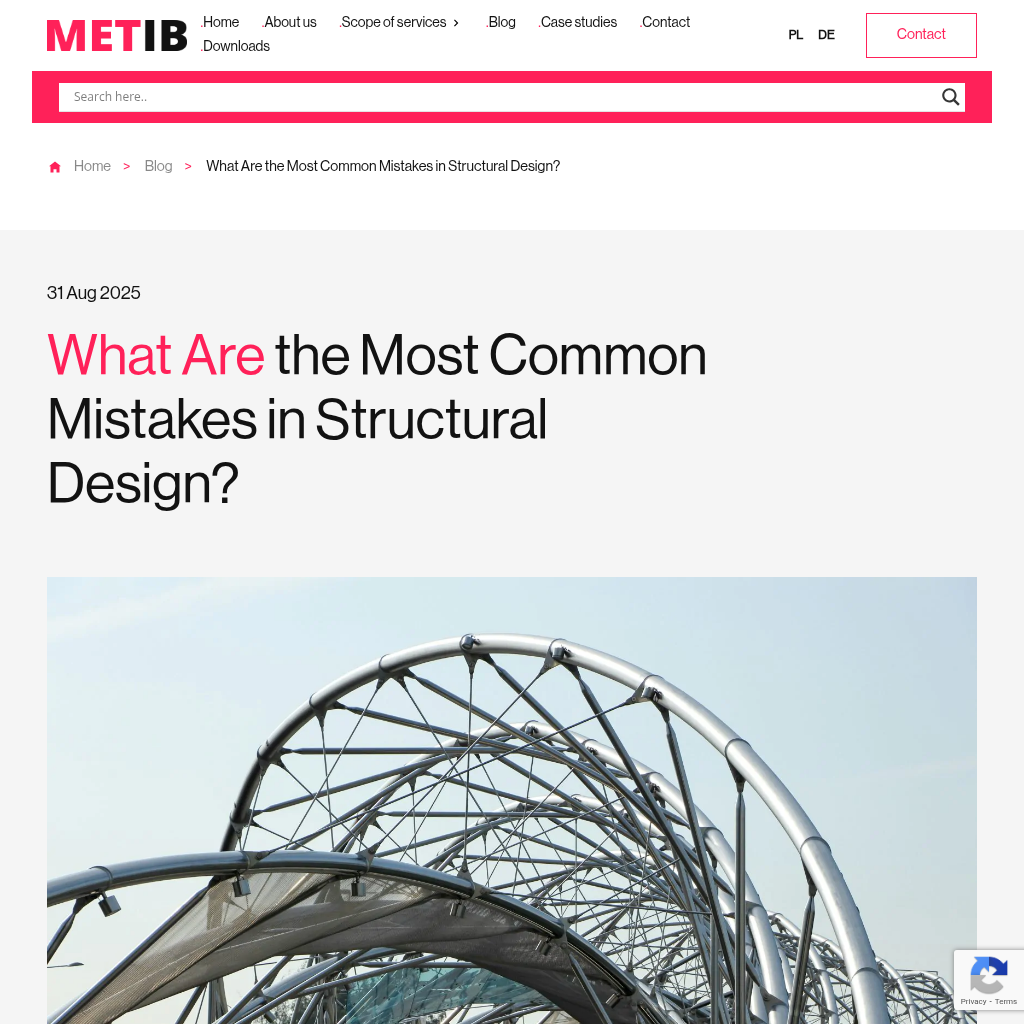
    2. Structural Design Engineering Services (Metib)

    Structural Design Engineering Services interface Metib’s comprehensive structural design platform offering specialized engineering services across multiple disciplines

    Metib’s structural design engineering services represent a critical resource for avoiding value engineering mistakes that compromise structural integrity. Their multi-disciplinary approach spanning concrete, steel, and BIM technologies demonstrates a sophisticated understanding of how design optimization should enhance rather than diminish project performance. When value engineering focuses solely on cost reduction without considering structural implications, projects face serious risks including compromised safety, reduced lifespan, and potential failure under load conditions.

    The platform’s expertise in reinforced concrete structure design, precast concrete element design, and steel structure design provides engineers with alternatives that maintain structural integrity while optimizing material usage. This comprehensive capability prevents one of the most common value engineering mistakes: selecting cheaper structural solutions without fully analyzing their long-term performance implications. By integrating BIM technology throughout the design process, Metib enables detailed structural analysis that identifies genuine optimization opportunities while flagging potentially dangerous cost-cutting measures.

    Key Features:

    • Reinforced Concrete Structure Design: Advanced analysis capabilities ensuring optimal material usage without compromising load-bearing capacity or durability
    • Precast Concrete Element Design: Specialized expertise in prefabrication methods that reduce on-site construction costs while maintaining design quality
    • Steel Structure Design: Comprehensive steel engineering services optimizing member sizes, connection details, and fabrication methods for cost-effectiveness
    • BIM Technology Integration: Three-dimensional modeling and analysis tools that visualize structural performance before construction, preventing costly mistakes

    The true value of Metib’s services lies in their ability to distinguish between legitimate optimization and dangerous shortcuts. Their engineering teams understand that reducing structural member sizes might save money initially but can lead to excessive deflection, vibration issues, or premature failure. This expertise is particularly valuable during value engineering sessions where non-structural stakeholders might propose cost reductions without fully understanding their implications.

    Best For: Architectural and infrastructure projects requiring detailed structural analysis, commercial building design where optimization must balance cost and performance, and industrial facilities where structural integrity directly impacts operational safety. Engineers facing pressure to reduce structural costs benefit from Metib’s evidence-based approach that identifies genuine optimization opportunities while protecting against mistakes that ruin design integrity.


    3. Architectural Resource Guide on Professional Fears (Post Digital Architecture)

    Architectural Resource Guide interface Comprehensive exploration of architectural challenges and professional concerns affecting design decision-making
    Understanding the psychological barriers architects face when resisting inappropriate value engineering represents a crucial yet often overlooked aspect of protecting design integrity. Post Digital Architecture’s comprehensive resource examining 75 common architect fears provides valuable insights into why design professionals sometimes capitulate to damaging cost-cutting measures despite knowing better. This knowledge base addresses the human dimension of value engineering mistakes—specifically how professional insecurities, client pressure, and fear of conflict can lead architects to accept design compromises they would otherwise reject.

    The resource explores how fear of losing projects, concerns about appearing inflexible, and anxiety about budget overruns can create psychological pressure that undermines professional judgment. When architects understand these common fears and their manifestations, they become better equipped to advocate effectively for design integrity during value engineering discussions. This self-awareness prevents the mistake of accepting inappropriate substitutions or eliminating essential design elements simply to avoid confrontation or appear cooperative.

    Key Features:

    • Comprehensive Fear Inventory: Detailed examination of 75 specific fears affecting architectural decision-making, including concerns about value engineering conflicts
    • Professional Development Insights: Evidence-based understanding of psychological barriers that compromise design advocacy
    • Decision-Making Framework: Resources helping architects distinguish between necessary compromises and unacceptable design degradation
    • Web-Based Accessibility: Convenient online resource for quick reference during value engineering sessions and project negotiations

    The practical application of this resource extends beyond simple awareness. Architects who recognize that fear of appearing “difficult” or “impractical” often leads to accepting damaging value engineering proposals can develop more effective communication strategies. Instead of passively accepting cost-cutting measures that ruin design integrity, they learn to present evidence-based alternatives that achieve budget targets without compromising essential design elements.

    Best For: Professional development for architects seeking to strengthen their advocacy skills, design teams preparing for challenging value engineering sessions where significant pressure exists to reduce costs, and firms establishing internal protocols for evaluating cost-reduction proposals. Understanding the psychological dimensions of value engineering mistakes helps professionals maintain design integrity while collaborating constructively with project stakeholders who may not fully appreciate the consequences of inappropriate cost-cutting.


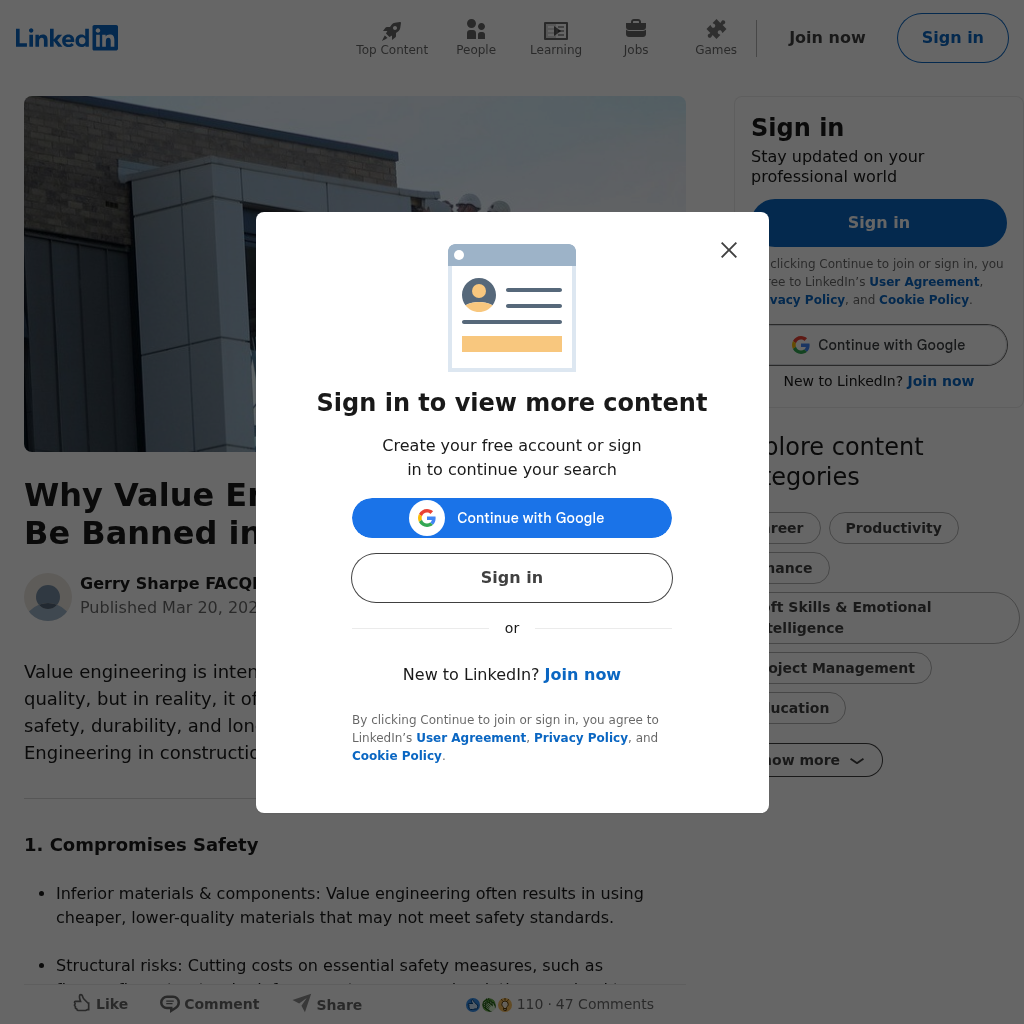
    4. Value Engineering Critique (LinkedIn)

    Value Engineering Critique article Provocative analysis challenging conventional value engineering practices in construction

    This LinkedIn article’s provocative stance—arguing that value engineering should be banned from construction—offers a critical counterbalance to the industry’s often uncritical acceptance of cost-cutting practices. By examining why conventional value engineering approaches frequently compromise design integrity, this resource helps professionals identify the fundamental flaws in how organizations approach cost optimization. The author’s strong position highlights a reality many design professionals experience: value engineering sessions that begin with legitimate optimization goals often devolve into indiscriminate cost-cutting exercises that undermine project quality.

    The critique addresses several critical mistakes embedded in traditional value engineering processes. First, the practice of conducting value engineering reviews late in the design process, when changes necessarily disrupt carefully integrated systems. Second, the tendency to evaluate cost savings in isolation without adequately considering long-term implications for maintenance, durability, and user satisfaction. Third, the common mistake of prioritizing easily quantifiable first-cost savings over difficult-to-measure quality attributes that define project success.

    Key Features:

    • Critical Process Analysis: Detailed examination of how conventional value engineering methodologies systematically compromise design quality
    • Construction Industry Perspective: Real-world insights from experienced professionals who have witnessed value engineering failures
    • Risk Identification Framework: Clear articulation of the hidden costs and long-term consequences of inappropriate cost optimization
    • Professional Advocacy Tools: Arguments and evidence helping designers resist damaging value engineering proposals

    By understanding the systemic problems with conventional value engineering approaches, design professionals can advocate for alternative cost management strategies that genuinely optimize value rather than simply minimize cost. The article’s argument that value engineering should be “banned” serves to highlight how fundamentally flawed the practice has become—not necessarily suggesting complete abandonment, but rather demanding radical reformation of how the industry approaches cost optimization.

    Best For: Construction project cost management teams seeking to reform value engineering processes, design professionals preparing to resist inappropriate cost-cutting pressure, and project stakeholders interested in understanding why value engineering often produces disappointing long-term results. The resource proves particularly valuable during project setup, when establishing protocols for how cost optimization will be approached throughout design and construction.


    5. Civil Engineering Design and Practices (Facebook)

    Civil Engineering Design and Practices post Community-shared insights on construction best practices and common engineering mistakes
    This Facebook community resource addressing common mistakes in civil engineering design and value engineering provides practical, field-tested insights from professionals who have experienced the consequences of poor cost optimization decisions firsthand. Unlike theoretical discussions, these community-shared experiences offer concrete examples of how specific value engineering mistakes manifest in real projects, the warning signs that precede them, and the expensive corrections required when cost-cutting goes too far.

    The value of peer-to-peer knowledge sharing in this format lies in its accessibility and specificity. Engineers share detailed accounts of projects where material substitutions seemed reasonable during value engineering but led to premature failure, or where simplified construction details saved money initially but created expensive maintenance burdens. These real-world case studies provide the kind of practical wisdom that helps professionals recognize similar mistakes before they occur on their own projects.

    Key Features:

    • Construction Best Practices Repository: Accumulated knowledge from engineering professionals across diverse project types and geographic regions
    • Error Identification Resources: Specific examples of common value engineering mistakes with detailed explanations of their consequences
    • Design Optimization Techniques: Alternative approaches that achieve cost savings without compromising essential engineering principles
    • Community Problem-Solving: Active discussion enabling engineers to seek advice on specific value engineering challenges they’re facing

    The practical application of this resource extends to daily project decision-making. When facing pressure to reduce structural reinforcement, substitute specified materials, or eliminate “unnecessary” design elements, engineers can consult community experiences with similar situations. This collective knowledge base helps identify which proposed changes represent acceptable optimization and which constitute dangerous shortcuts that ruin design integrity.

    Best For: Construction project planning teams evaluating value engineering proposals, engineering design review processes requiring peer input on cost optimization decisions, and professionals seeking to build expertise in distinguishing between legitimate cost savings and compromising shortcuts. The community format proves especially valuable for less experienced engineers who may lack the historical perspective to recognize mistakes that more seasoned professionals would immediately flag.


    6. Value Engineering Consultation (MDS Group – Facebook)

    MDS Group value engineering insights Professional construction management perspective on value engineering challenges and solutions


    MDS Group’s value engineering consultation resources, shared through construction management networks, address the critical challenge of balancing cost-effectiveness with design integrity from a project management perspective. This viewpoint proves essential because project managers often find themselves mediating between designers committed to preserving their vision and stakeholders demanding cost reductions. Understanding common value engineering misconceptions from this intermediary position enables more productive discussions that identify genuine optimization opportunities while protecting essential design elements.

    The content focuses on preventing the strategic mistakes that undermine value engineering effectiveness before technical details are even discussed. These include conducting value engineering reviews at inappropriate project stages, involving the wrong stakeholders in decision-making, failing to establish clear evaluation criteria for proposed changes, and neglecting to consider long-term operational implications of first-cost savings. By addressing these process-level mistakes, the resource helps teams structure value engineering efforts for success rather than conflict.

    Key Features:

    • Construction Project Management Expertise: Insights from professionals experienced in navigating the competing pressures of design quality and budget constraints
    • Value Engineering Advisory: Strategic guidance on structuring cost optimization processes to achieve meaningful savings without compromising integrity
    • Industry Knowledge Sharing: Best practices from successful projects where value engineering enhanced rather than diminished final outcomes
    • Misconception Correction: Clear explanation of common misunderstandings about what value engineering should accomplish and how it should be conducted

    The practical value of this consultation perspective lies in its focus on preventive strategy rather than reactive problem-solving. By establishing proper value engineering protocols early in projects, teams can avoid the adversarial dynamics that often develop when designers feel their work is being arbitrarily devalued. This collaborative approach identifies cost optimization opportunities throughout design development, when changes can be integrated smoothly rather than forced into nearly-complete plans.

    Best For: Construction project planning teams establishing value engineering protocols, cost optimization processes requiring balanced input from both design and management perspectives, and risk mitigation strategies addressing the long-term consequences of inappropriate cost-cutting. Project managers particularly benefit from understanding how to structure value engineering sessions that maintain constructive collaboration while achieving necessary budget targets without ruining design integrity.


    Conclusion

    Value engineering mistakes that ruin design integrity share a common characteristic: they prioritize short-term cost reduction over long-term value creation. The resources, platforms, and insights examined in this guide provide design professionals, engineers, and project managers with the tools necessary to avoid these costly errors while achieving legitimate cost optimization.

    Key Takeaways:

    1. Transparency Prevents Mistakes: Platforms like furnituremadeinchina that provide direct manufacturing oversight eliminate the communication gaps and hidden substitutions that commonly compromise design integrity during cost optimization.
    2. Technical Expertise Matters: Specialized engineering services from providers like Metib ensure that structural and technical decisions balance cost savings against performance requirements rather than creating dangerous shortcuts.
    3. Psychology Influences Outcomes: Understanding the professional fears and pressures that lead designers to accept inappropriate compromises enables more effective advocacy for design integrity.
    4. Critical Analysis Required: Resources that challenge conventional value engineering assumptions help teams recognize when traditional cost-cutting approaches actually destroy value rather than optimizing it.
    5. Community Knowledge Protects Quality: Shared experiences and peer insights provide practical wisdom that helps professionals recognize warning signs of damaging cost optimization before mistakes occur.

    Actionable Next Steps:

    For your next project involving value engineering considerations, establish clear protocols before cost pressure emerges. Define non-negotiable design elements that protect project integrity, identify areas where legitimate optimization opportunities exist, and engage specialized resources that understand the difference between strategic cost management and destructive cost-cutting.

    Whether you’re sourcing custom furniture for luxury hospitality projects, managing structural engineering for commercial developments, or navigating the complex landscape of international manufacturing, the right tools and knowledge base transform value engineering from a threat into an opportunity. The common mistakes that ruin design integrity aren’t inevitable—they’re preventable when project teams combine technical expertise, transparent processes, and strategic thinking focused on genuine value creation rather than arbitrary cost reduction.

    The design and construction industries in 2025 demand more sophisticated approaches to cost optimization. By leveraging the resources and insights outlined in this guide, professionals can deliver projects that meet budget requirements without sacrificing the design integrity that defines exceptional work.

  • How to Master From Render to Reality: How to Interpret Complex FF&E Specs: Complete Guide

    How to Master From Render to Reality: How to Interpret Complex FF&E Specs: Complete Guide

    Introduction

    Transforming beautiful architectural renders into tangible, functional spaces requires one crucial skill: the ability to interpret complex Furniture, Fixtures, and Equipment (FF&E) specifications. Whether you’re an interior designer, project manager, procurement specialist, or facilities coordinator, understanding how to decode FF&E specs is essential for bridging the gap between design vision and physical reality.

    What You’ll Learn:

    • How to read and interpret technical FF&E specification documents
    • Methods for translating render details into procurement requirements
    • Techniques for identifying critical specifications versus aesthetic preferences
    • Strategies for communicating specs to vendors and contractors
    • Quality control processes to ensure spec compliance
    • Budget reconciliation between design vision and available products

    This comprehensive guide will walk you through the complete process of mastering FF&E specification interpretation, ensuring your projects transition seamlessly from render to reality while maintaining design integrity, staying within budget, and meeting project timelines.


    Step 1: Understand the Components of FF&E Specifications

    Detailed Instructions

    Begin by familiarizing yourself with the standard structure of FF&E specification documents. These typically include:

    Furniture Specifications:

    • Item descriptions (chairs, tables, desks, storage units)
    • Dimensions (width, depth, height)
    • Materials and finishes
    • Manufacturer and model numbers
    • Quantities required
    • Color codes and fabric specifications

    Fixtures Specifications:

    • Built-in elements (millwork, shelving, lighting fixtures)
    • Mounting requirements
    • Power and data connectivity needs
    • Load-bearing specifications

    Equipment Specifications:

    • Technical equipment (AV systems, appliances, specialized machinery)
    • Performance requirements
    • Installation prerequisites
    • Maintenance requirements

    Create a checklist that includes all these components, and use it every time you review a new set of specifications. From render to reality, how to interpret complex FF&E specs begins with understanding this foundational structure.

    Tips

    • Develop a template: Create a standardized template for organizing specification information that works for your team
    • Build a reference library: Keep examples of well-written specs for future reference
    • Learn industry terminology: Familiarize yourself with terms like “COM” (Customer’s Own Material), “COL” (Customer’s Own Leather), and “NIC” (Not In Contract)
    • Understand CSI format: Many specs follow Construction Specifications Institute formatting standards—learn this system for faster comprehension

    Step 2: Conduct a Detailed Render Analysis

    Detailed Instructions

    Before diving into specification documents, thoroughly analyze the design renders to extract every possible detail:

    Visual Analysis Process:

    1. Zoom and segment: Examine the render at high resolution, dividing it into zones (reception, workstations, lounge areas, etc.)
    2. Create a visual inventory: List every visible FF&E item, noting:
      • Approximate dimensions relative to human figures in the render
      • Color palettes and material appearances
      • Spatial relationships and clearances
      • Lighting conditions and their effects
    3. Identify design intent: Determine the aesthetic goals:
      • Style direction (modern, traditional, industrial, etc.)
      • Brand alignment and corporate identity
      • Functional requirements suggested by the layout
      • Traffic flow patterns
    4. Note ambiguities: Mark areas where the render doesn’t provide clear information—these will require clarification from the design team
    5. Cross-reference with floor plans: Compare renders with accompanying architectural drawings to verify dimensions and spatial relationships

    Tips

    • Use annotation software: Tools like Bluebeam or Adobe Acrobat allow you to mark up renders digitally with notes and questions
    • Create comparison boards: Develop side-by-side visual boards showing render images alongside spec sheets
    • Consider lighting effects: Remember that renders often show ideal lighting conditions—actual products may appear different
    • Account for scale distortion: Perspective in renders can make items appear larger or smaller than actual dimensions

    Step 3: Decode Technical Specifications and Material Callouts

    Detailed Instructions

    Now translate the technical language in specifications into actionable procurement information:

    Material Specification Breakdown:

    For Fabrics:

    • Fiber content: Understand percentages (e.g., “100% polyester” vs. “65% poly/35% cotton blend”)
    • Performance ratings: Decode Wyzenbeek double rubs (durability), colorfastness ratings, and fire ratings (CAL 117, NFPA 260)
    • Finish treatments: Identify protective treatments like Crypton, Nano-Tex, or Teflon
    • Grade classifications: Understand manufacturer grade systems (Grade A through F typically indicates price points, not quality)

    For Wood and Veneers:

    • Species identification: Distinguish between walnut, oak, maple, etc.
    • Cut types: Understand plain sliced, quarter cut, rift cut veneers
    • Finish specifications: Decode stain colors, sheen levels (matte, satin, semi-gloss, gloss)
    • Construction methods: Identify solid wood vs. veneer vs. laminate construction

    For Metals and Finishes:

    • Material types: Steel, aluminum, brass, bronze, etc.
    • Finish processes: Powder coat, plating, anodizing, patina
    • Color matching systems: RAL, Pantone, or custom manufacturer codes

    For Surfaces and Laminates:

    • High-pressure laminate (HPL) codes: Wilsonart, Formica, Pionite color and pattern numbers
    • Solid surface materials: Corian, Hi-Macs, etc., with color specifications
    • Stone and engineered stone: Understand grain patterns, edge profiles, and finish types

    Tips

    • Request material samples: Always verify specs with physical samples before bulk ordering
    • Maintain a material library: Keep samples from previous projects with specification details attached
    • Understand equivalents: Know when “or equal” substitutions are acceptable and when exact matches are required
    • Check lead times: Some specified materials may have extended lead times that impact project schedules
    • Verify current availability: Manufacturers discontinue products—confirm everything is still in production

    Step 4: Match Specifications to Available Products

    Detailed Instructions

    This critical step involves finding actual products that meet the specifications extracted from renders:

    Product Sourcing Strategy:

    1. Start with specified manufacturers: If the spec sheet includes specific manufacturers and model numbers, verify:
      • Current product availability
      • Lead times for delivery
      • Minimum order quantities (MOQs)
      • Current pricing vs. budget allowances
    2. Research approved alternatives: When exact matches aren’t available or exceed budget:
      • Identify key performance criteria that must be maintained
      • Find products meeting those criteria from alternative manufacturers
      • Document differences for design team approval
      • Obtain comparable pricing
    3. Create product comparison matrices: Develop spreadsheets comparing:
      • Specifications vs. actual product attributes
      • Dimensions (ensure fit within space constraints)
      • Materials and finishes
      • Performance ratings
      • Costs
      • Lead times
      • Warranty terms
    4. Address custom requirements: Determine which items require custom fabrication:
      • Identify local fabricators or specialized manufacturers
      • Obtain detailed fabrication drawings
      • Secure quotes and lead time commitments
      • Ensure fabricators understand tolerances and quality expectations
    5. Consider lifecycle costs: Look beyond initial purchase price:
      • Maintenance requirements
      • Expected lifespan
      • Warranty coverage
      • Replacement part availability

    Tips

    • Build vendor relationships: Develop trusted relationships with manufacturer representatives for faster information access
    • Use industry resources: Leverage platforms like Architonic, Archiproducts, or manufacturer databases
    • Attend trade shows: Industry events provide opportunities to see products firsthand and discover new options
    • Request CAD/BIM files: Many manufacturers provide 3D models for space planning verification
    • Document everything: Keep detailed records of all product research for future reference and project accountability

    Step 5: Verify Dimensional Compliance and Spatial Fit

    Detailed Instructions

    Ensuring products physically fit within designed spaces is crucial for successful implementation:

    Dimensional Verification Process:

    1. Extract all dimensions from specifications:
      • Overall dimensions (W x D x H)
      • Clearance requirements
      • Door swing radiuses
      • Drawer extension depths
      • Leg spreads and base dimensions
    2. Compare against architectural constraints:
      • Ceiling heights
      • Door and corridor widths for delivery access
      • Elevator dimensions and weight capacities
      • Room dimensions with wall projections, columns, and mechanical elements
      • ADA clearance requirements (where applicable)
    3. Create spatial mock-ups:
      • Use CAD software to place actual product dimensions in floor plans
      • Verify circulation paths maintain required clearances
      • Check sightlines and ergonomic relationships
      • Model delivery paths for oversized items
    4. Account for tolerances:
      • Add buffer space for manufacturing variations (typically ±1/4″ to ±1/2″)
      • Consider field conditions and construction tolerances
      • Plan for adjustment mechanisms where needed
    5. Verify technical clearances:
      • HVAC vent and return locations
      • Electrical outlet positions
      • Data and communication port access
      • Fire safety equipment clearances
      • Emergency egress paths

    Tips

    • Use 3D visualization: Tools like SketchUp, Revit, or even AR apps help stakeholders visualize actual products in space
    • Conduct site verification: Measure actual site conditions rather than relying solely on drawings
    • Plan for installation sequences: Ensure large items can be installed before smaller elements block access
    • Consider modular solutions: When exact fit is challenging, modular systems offer flexibility
    • Document approval: Have stakeholders sign off on spatial plans before procurement

    Step 6: Translate Specifications into Procurement Documentation

    Detailed Instructions

    Transform interpreted specs into clear procurement documents that vendors can execute:

    Procurement Package Development:

    1. Create comprehensive purchase orders that include:
      • Complete product descriptions with manufacturer and model numbers
      • Precise quantities with room-by-room breakdowns
      • Specified materials, finishes, and colors with codes
      • Dimensional requirements
      • Performance requirements
      • Required certifications (fire ratings, environmental standards, etc.)
      • Delivery location details
      • Required delivery dates with phasing if applicable
      • Installation responsibilities (vendor vs. contractor vs. client)
    2. Develop cut sheets and submittal packages:
      • Manufacturer specification sheets
      • Finish samples with approval notation
      • Installation instructions
      • Warranty information
      • Maintenance guidelines
      • Sustainability certifications (LEED, BIFMA, Greenguard, etc.)
    3. Establish quality standards:
      • Acceptance criteria for delivered goods
      • Inspection procedures
      • Defect reporting protocols
      • Remediation processes
    4. Include contractual protections:
      • Delivery schedule with liquidated damages for delays
      • Quality guarantees and warranty terms
      • Return and replacement policies
      • Payment terms tied to delivery and acceptance milestones

    Tips

    • Use standardized formats: Consistent procurement documentation reduces errors and speeds processing
    • Include visual references: Attach photos from renders or catalog images to prevent misunderstandings
    • Specify packaging requirements: Protect finishes with appropriate packaging, especially for multi-phase deliveries
    • Address storage: Clarify warehousing responsibilities if delivery timing doesn’t match installation schedule
    • Plan for contingencies: Include allowances for minor adjustments or unforeseen conditions

    Step 7: Establish Quality Control and Verification Protocols

    Detailed Instructions

    Implement systematic quality control to ensure delivered products match specifications:

    Quality Assurance System:

    1. Pre-production approval process:
      • Request first article samples for custom items
      • Conduct factory inspections for large orders
      • Review and approve shop drawings
      • Confirm finish samples match approved specifications
      • Test prototypes for performance requirements
    2. Receiving inspection procedures:
      • Create detailed checklists based on specs
      • Inspect immediately upon delivery while carriers present
      • Verify quantities against packing lists
      • Check for shipping damage
      • Confirm model numbers and finish codes
      • Measure critical dimensions
      • Test functional elements (drawers, adjustments, mechanisms)
      • Photograph all items for documentation
    3. Deficiency documentation:
      • Establish clear photo documentation standards
      • Create deficiency logs with item details, issue descriptions, and photos
      • Set resolution deadlines
      • Track remediation progress
      • Obtain replacement timelines
      • Document all communications with vendors
    4. Installation verification:
      • Monitor installation for proper assembly
      • Verify anchoring and stabilization
      • Check alignment and levelness
      • Test all moving parts
      • Confirm safety features function correctly
      • Clean and prepare for occupancy
    5. Final acceptance walkthrough:
      • Conduct comprehensive punch list inspection
      • Compare installed products against renders
      • Verify aesthetic integration
      • Test functionality of all elements
      • Document completion with photographs
      • Obtain warranty documentation

    Tips

    • Inspect at the warehouse: When possible, inspect products before delivery to site to avoid installation delays
    • Maintain inspection records: Detailed documentation protects against disputes and supports warranty claims
    • Train your team: Ensure everyone involved understands quality standards and inspection procedures
    • Build relationships: Good vendor relationships lead to faster issue resolution
    • Plan buffer time: Include time in the schedule for addressing deficiencies before project completion

    Step 8: Manage Budget Reconciliation and Value Engineering

    Detailed Instructions

    Navigate the often challenging process of aligning design specifications with budget realities:

    Budget Management Strategy:

    1. Conduct preliminary budget analysis:
      • Price all specified items based on current market rates
      • Add freight, taxes, and installation costs
      • Include contingencies (typically 5-10% for FF&E)
      • Compare total against budget allocation
      • Identify budget gaps early
    2. Prioritize specifications:
      • Work with designers to classify specifications:
        • Critical: Essential for function or design concept (non-negotiable)
        • Important: Significantly impacts design intent (negotiate carefully)
        • Flexible: Substitutions acceptable if design intent maintained
      • Focus cost-cutting efforts on flexible items
    3. Value engineering approaches:
      • Material substitution: Specify laminate instead of solid surface, or similar
      • Finish adjustments: Standard finishes instead of custom colors
      • Grade changes: Lower fabric grades where appropriate
      • Quantity adjustments: Reduce quantities in lower-visibility areas
      • Manufacturer alternatives: Comparable products from different sources
      • Scope modifications: Eliminate non-essential items
    4. Maintain design integrity:
      • Preserve key design elements that define the space
      • Ensure substitutions maintain performance requirements
      • Keep overall aesthetic cohesive
      • Obtain design team approval for all changes
    5. Document all changes:
      • Create value engineering logs
      • Track cost impacts of each change
      • Maintain specification history
      • Update all documentation to reflect approved changes

    Tips

    • Negotiate volume pricing: Consolidate orders to achieve better pricing
    • Consider phased procurement: Implement essential items first, add others as budget allows
    • Explore liquidation and surplus: Quality products at reduced costs from overstocks or project cancellations
    • Leverage manufacturer programs: Some offer design trade discounts or project pricing
    • Time purchases strategically: Take advantage of manufacturer promotions and sales cycles

    Step 9: Coordinate with Project Stakeholders

    Detailed Instructions

    Effective communication ensures everyone understands and approves the translation from render to reality:

    Stakeholder Coordination Process:

    1. Identify all stakeholders:
      • Design team (architects, interior designers)
      • Client representatives (facilities managers, executives)
      • Project managers and general contractors
      • Installation teams
      • End users
      • Procurement and purchasing departments
    2. Establish communication protocols:
      • Regular update meetings with defined agendas
      • Centralized documentation repository (SharePoint, Procore, etc.)
      • Clear decision-making hierarchy
      • Defined approval processes
      • Response time expectations
    3. Create presentation materials:
      • Side-by-side render vs. product comparisons
      • Material boards with actual samples
      • Dimensional diagrams showing products in space
      • Budget summaries with value engineering options
      • Timeline charts showing procurement and delivery phases
    4. Facilitate approval processes:
      • Submit organized packages requiring specific decisions
      • Provide clear options with pros/cons
      • Explain technical considerations in accessible language
      • Set deadlines that maintain project schedule
      • Document all approvals in writing
    5. Manage expectations:
      • Communicate realistic lead times
      • Explain limitations (discontinued products, budget constraints)
      • Provide alternatives proactively
      • Address concerns transparently
      • Keep stakeholders informed of changes and impacts

    Tips

    • Use visualization tools: Virtual reality or augmented reality can help stakeholders envision final results
    • Provide context: Explain how FF&E decisions impact overall project success
    • Anticipate questions: Prepare comprehensive information before meetings
    • Document decisions: Meeting minutes with action items prevent misunderstandings
    • Build consensus: Involve key stakeholders early to avoid late-stage changes

    Step 10: Implement Post-Installation Documentation and Closeout

    Detailed Instructions

    Complete the render-to-reality process with thorough documentation for ongoing facility management:

    Closeout Documentation Package:

    1. Create comprehensive FF&E inventories:
      • Room-by-room asset lists
      • Manufacturer and model information
      • Serial numbers for tracked items
      • Purchase dates and costs
      • Warranty expiration dates
      • Maintenance schedules
    2. Compile O&M manuals (Operations and Maintenance):
      • Assembly instructions
      • Care and cleaning guidelines
      • Recommended maintenance schedules
      • Replacement part information
      • Manufacturer contact information
      • Troubleshooting guides
    3. Organize warranty documentation:
      • Individual product warranties
      • Registration information
      • Claim procedures
      • Warranty service provider contacts
      • Extended warranty options
    4. Develop touch-up and repair kits:
      • Extra fabric samples for future repairs
      • Touch-up paints and finishes
      • Replacement parts for common wear items
      • Cleaning product recommendations
      • Supplier information for reordering
    5. Prepare sustainability documentation:
      • Environmental certifications
      • Recycling information for end-of-life
      • Sustainability metrics for reporting
      • Indoor air quality certifications
    6. Create as-built records:
      • Final photographs of installed spaces
      • Updated floor plans with actual product placements
      • Deviations from original specifications
      • Lessons learned documentation
      • Vendor performance evaluations

    Tips

    • Use facility management software: Input data into CAFM or CMMS systems for ongoing management
    • Train facility staff: Provide training on care and maintenance of installed FF&E
    • Create digital archives: Maintain cloud-based documentation accessible to facility teams
    • Establish reorder processes: Make future procurement of replacement items straightforward
    • Plan lifecycle management: Schedule periodic reviews to maintain investment value

    Conclusion

    Mastering the journey from render to reality through complex FF&E specification interpretation is a multifaceted skill that combines technical knowledge, attention to detail, project management, and effective communication. By following this comprehensive ten-step process, you’ll transform aspirational design visions into functional, beautiful spaces that meet both aesthetic and practical requirements.

    Key Takeaways:

    • Foundation matters: Understanding FF&E specification components and structure is essential before attempting interpretation
    • Analysis is critical: Thorough render analysis extracts crucial details that inform procurement decisions
    • Technical literacy pays off: Decoding material specifications ensures accurate product sourcing
    • Verification prevents problems: Dimensional checks and spatial planning avoid costly mistakes
    • Documentation protects all parties: Clear procurement documentation and quality control processes ensure accountability
    • Communication bridges gaps: Effective stakeholder coordination aligns expectations with reality
    • Budget consciousness: Strategic value engineering maintains design intent while respecting financial constraints
    • Closeout sets up success: Comprehensive documentation supports long-term facility management

    The ability to interpret complex FF&E specs and successfully implement them distinguishes exceptional professionals in the architecture, design, and construction industries. This skill ensures projects transition smoothly from conceptual renders to tangible spaces that delight clients and serve users effectively for years to come.

    As you apply these principles to your projects, you’ll develop increasingly refined judgment about when to strictly adhere to specifications and when flexibility serves the project better. Each project will expand your product knowledge, strengthen your vendor relationships, and enhance your ability to navigate the challenges inherent in bringing designs to life.

    Remember that from render to reality, how to interpret complex FF&E specs is not just about technical proficiency—it’s about understanding design intent, respecting budget parameters, maintaining quality standards, and delivering spaces that fulfill their intended purpose while embodying the designer’s vision. Master this process, and you’ll become an invaluable asset to any design and construction team.

  • How to Master Sourcing Custom Furniture from China for Luxury Hotels: Complete Guide

    How to Master Sourcing Custom Furniture from China for Luxury Hotels: Complete Guide

    Introduction

    Sourcing custom furniture from China for luxury hotels represents a strategic opportunity to combine cost-effectiveness with premium quality. China has evolved from producing budget items to becoming a global leader in high-end, bespoke furniture manufacturing, with specialized factories serving international luxury hotel chains.

    This comprehensive guide will walk you through the entire process of sourcing custom furniture from China for luxury hotels. You’ll learn how to identify reliable manufacturers, ensure quality standards meet luxury hospitality requirements, navigate cultural and logistical challenges, and successfully deliver furniture that enhances your property’s brand image while optimizing your procurement budget.

    Whether you’re a hotel procurement manager, interior designer, or hospitality consultant, this step-by-step sourcing custom furniture from China for luxury hotels guide will equip you with proven strategies to transform your furniture procurement process.


    Step 1: Define Your Custom Furniture Requirements and Specifications

    Detailed Instructions

    Before contacting any manufacturers, create a comprehensive furniture specification document that outlines every detail of your requirements:

    Create detailed technical specifications:

    • Compile precise dimensions for each furniture piece (beds, chairs, desks, wardrobes, etc.)
    • Specify materials (hardwood types, upholstery fabrics, metal finishes, glass specifications)
    • Document weight requirements and durability standards
    • Include Pantone color codes or physical samples for finishes
    • Outline hardware specifications (hinges, drawer slides, handles)

    Establish brand alignment:

    • Define your hotel’s design aesthetic (contemporary, classic, boutique, resort-style)
    • Gather reference images, mood boards, and design renderings
    • Specify brand standards and guest experience objectives
    • Document fire safety certifications required (BS 7176, CA TB 117, NFPA 701)

    Determine quantity and timeline:

    • Calculate furniture quantities per room type and public areas
    • Establish delivery deadlines aligned with your opening or renovation schedule
    • Plan for phased delivery if working on multiple properties

    Tips

    • Engage your design team early: Interior designers should collaborate with procurement from the beginning to ensure specifications are both achievable and cost-effective
    • Build in flexibility: Allow for minor adjustments during sampling while maintaining core design integrity
    • Benchmark against competitors: Visit luxury hotels using Chinese-sourced furniture to understand market quality standards
    • Document everything: Ambiguity costs money in manufacturing—the clearer your specifications, the fewer revisions you’ll face

    Step 2: Identify and Vet Qualified Chinese Furniture Manufacturers

    Detailed Instructions

    Finding the right manufacturing partner is critical to successful sourcing custom furniture from China for luxury hotels.

    Research potential manufacturers:

    • Attend international furniture fairs (Canton Fair, Shenzhen International Furniture Fair, CIFF)
    • Use B2B platforms like Alibaba, Made-in-China, and Global Sources with filters for “customization” and “hotel furniture”
    • Hire a China-based sourcing agent or consultant specializing in hospitality furniture
    • Request referrals from hotel industry networks and professional associations

    Evaluate manufacturer credentials:

    • Verify business licenses and export certifications
    • Request client portfolios specifically showing luxury hotel projects
    • Check for quality certifications (ISO 9001, FSC for sustainable wood)
    • Confirm fire retardancy testing capabilities (critical for hotel furniture)
    • Assess production capacity against your volume needs

    Conduct factory assessments:

    • Arrange virtual or in-person factory tours
    • Evaluate equipment sophistication (CNC machines, spray booths, upholstery stations)
    • Assess quality control procedures and dedicated QC teams
    • Review worker skill levels and training programs
    • Inspect material storage conditions

    Create a shortlist:

    • Narrow down to 3-5 manufacturers that specialize in your furniture category
    • Prioritize factories with proven luxury hotel experience
    • Balance between larger established factories and specialized boutique manufacturers

    Tips

    • Look for hotel furniture specialists: Manufacturers focused on hospitality understand fire codes, durability requirements, and maintenance considerations
    • Verify references independently: Contact previous clients directly to inquire about quality, communication, and on-time delivery
    • Consider geographic location: Factories near major ports (Guangdong, Zhejiang) typically offer better logistics and shorter lead times
    • Assess English proficiency: Strong communication prevents costly misunderstandings during production

    Step 3: Request Samples and Evaluate Quality Standards

    Detailed Instructions

    Sampling is the most critical phase in your sourcing custom furniture from China for luxury hotels guide, as it determines whether the manufacturer can meet luxury standards.

    Initiate the sampling process:

    • Request quotes from your shortlisted manufacturers with detailed specifications
    • Negotiate sample costs (typically $200-$2,000 per piece depending on complexity)
    • Clarify sample timeline (expect 4-8 weeks for custom pieces)
    • Specify shipping method for samples (air freight for speed, though expensive)

    Define sample acceptance criteria:

    • Create a detailed inspection checklist covering:
      • Dimensional accuracy (within 2-3mm tolerance)
      • Material quality and grain matching
      • Finish consistency and smoothness
      • Joint strength and construction quality
      • Hardware functionality and alignment
      • Upholstery tension and stitching precision
      • Fire certification test reports

    Conduct thorough sample evaluation:

    • Involve all stakeholders (designers, procurement, operations, quality teams)
    • Test functionality extensively (open/close drawers 50+ times, sit on chairs)
    • Compare against luxury hotel standards and existing furniture
    • Photograph any defects or inconsistencies with detailed notes
    • Request material swatches and finish samples for variations

    Provide detailed feedback:

    • Create a comprehensive revision document with annotated photos
    • Be specific about required changes (not “improve quality” but “increase foam density from 35kg/m³ to 40kg/m³”)
    • Request second samples if initial samples require significant modifications
    • Approve final “golden sample” that becomes the production standard

    Tips

    • Never skip sampling: Even established manufacturers need to prove they can execute your specific design
    • Test destructively if possible: Order extra samples to literally take apart and examine internal construction
    • Document the golden sample: Video and photograph extensively from all angles to reference during bulk production inspections
    • Consider samples an investment: Quality sample evaluation prevents expensive bulk production mistakes
    • Test fire retardancy independently: Send fabric samples to third-party testing labs to verify compliance

    Step 4: Negotiate Terms and Finalize Contracts

    Detailed Instructions

    Proper contractual agreements protect your investment when sourcing custom furniture from China for luxury hotels.

    Negotiate pricing structure:

    • Request itemized quotations breaking down materials, labor, and profit margins
    • Negotiate based on order volume (bulk discounts typically 10-25%)
    • Clarify what’s included (packaging, local transport to port, documentation)
    • Lock in prices with raw material fluctuation clauses
    • Negotiate sample costs deduction from bulk order

    Define quality assurance terms:

    • Specify acceptable defect rates (typically 2-3% for luxury furniture)
    • Detail inspection protocols (pre-production, during production, pre-shipment)
    • Define quality standards referencing approved golden samples
    • Include third-party inspection rights
    • Establish remediation processes for defective goods

    Establish payment terms:

    • Negotiate payment schedule (typical: 30% deposit, 60% before shipment, 10% after delivery)
    • Consider Letter of Credit for large orders (safer but more expensive)
    • Include penalty clauses for delays
    • Define currency (USD preferred for stability)
    • Clarify bank transfer fees responsibility

    Outline delivery and logistics:

    • Specify Incoterms (FOB, CIF, or DDP depending on your logistics capability)
    • Detail packaging requirements (foam wrapping, cardboard corners, wooden crates)
    • Establish delivery timeline with milestone dates
    • Include force majeure provisions
    • Define shipping method and freight forwarder responsibility

    Create comprehensive contracts:

    • Engage a lawyer familiar with China trade law
    • Include all specifications, drawings, and golden sample references as appendices
    • Detail intellectual property protection for custom designs
    • Specify arbitration location and governing law
    • Include confidentiality and non-compete clauses

    Tips

    • Everything in writing: Verbal agreements mean nothing—document every detail in the contract
    • Build in buffer time: Add 15-20% extra time to quoted lead times for unexpected delays
    • Protect your designs: Register design patents if creating truly unique pieces
    • Use staged payments wisely: Never pay full amount before inspection and shipment
    • Consider trade insurance: Protect against manufacturer default, quality issues, or shipping damage

    Step 5: Monitor Production with Regular Quality Control

    Detailed Instructions

    Active production monitoring is essential when sourcing custom furniture from China for luxury hotels to ensure bulk production matches your approved samples.

    Implement pre-production inspection (PPI):

    • Schedule inspection before mass production begins (after first 10% completion)
    • Verify raw materials match specifications (wood species, fabric grades, foam density)
    • Confirm production team understands specifications
    • Check that golden sample is displayed at workstations as reference
    • Review production schedule and capacity allocation

    Conduct during production inspection (DUPRO):

    • Schedule mid-production inspections at 30-50% completion
    • Check consistency across multiple units
    • Identify and correct issues before full production
    • Verify assembly processes follow approved methods
    • Test random samples for functionality and durability

    Perform pre-shipment inspection (PSI):

    • Inspect 100% of goods visually or use statistical sampling (AQL 2.5 standard)
    • Verify dimensions, finishes, and functionality against golden sample
    • Check packaging adequacy for international shipping
    • Review all required documentation (packing lists, certificates, test reports)
    • Photograph approved goods for reference upon arrival

    Utilize third-party inspection services:

    • Hire independent QC firms (SGS, Bureau Veritas, QIMA, AsiaInspection)
    • Costs typically $200-500 per day depending on inspection complexity
    • Receive objective reports with photo documentation
    • Leverage their expertise in international quality standards
    • Use reports as leverage for corrections before shipment

    Tips

    • Visit factories personally if possible: Nothing replaces seeing production firsthand, especially for first orders
    • Establish clear inspection criteria: Provide inspectors with detailed checklists referencing your specifications
    • Don’t rely solely on manufacturer photos: Self-reporting often hides defects
    • Act quickly on inspection findings: Delays in addressing issues compound costs
    • Build relationships with factory QC managers: Direct communication often resolves issues faster than going through sales

    Step 6: Manage Logistics and Customs Clearance

    Detailed Instructions

    Efficient logistics management ensures your custom furniture arrives on schedule and in perfect condition.

    Select shipping method:

    • Sea freight (most common): Cost-effective for large volumes; 4-6 weeks Asia to North America, 3-5 weeks to Europe
    • Air freight: 10x more expensive but 5-7 days delivery for urgent or sample orders
    • Rail freight: Emerging option for Europe via China-Europe railway; cheaper than air, faster than sea

    Choose between shipping terms:

    • FOB (Free On Board): You arrange shipping from Chinese port; more control but requires logistics expertise
    • CIF (Cost, Insurance, Freight): Manufacturer delivers to your port; simpler but less control
    • DDP (Delivered Duty Paid): Manufacturer handles everything to your hotel; most expensive but most convenient

    Work with freight forwarders:

    • Select forwarders experienced in furniture shipping (special handling required)
    • Request all-in quotes including port fees, documentation, and insurance
    • Verify insurance coverage (typically 110% of invoice value)
    • Confirm container type (20ft, 40ft, 40ft High Cube based on volume)
    • Request container loading supervision to maximize space and prevent damage

    Prepare for customs clearance:

    • Obtain complete documentation from manufacturer (commercial invoice, packing list, bill of lading)
    • Classify furniture correctly using HS codes (impacts duty rates)
    • Prepare for import duties (typically 0-8% for furniture, varies by country)
    • Hire customs broker or use freight forwarder’s customs service
    • Ensure fire certificates and compliance documents are ready for inspection

    Track and communicate:

    • Monitor shipment progress using container tracking systems
    • Communicate arrival dates to hotel operations for receiving preparation
    • Arrange final-mile delivery to hotel with specialized furniture movers
    • Coordinate delivery timing to minimize hotel operations disruption

    Tips

    • Consolidate shipments: Combine orders when possible to reduce per-unit shipping costs
    • Understand Incoterms fully: Misunderstanding responsibilities leads to surprise costs
    • Insurance is essential: Furniture damage during shipping is common; comprehensive coverage protects your investment
    • Plan for peak season delays: Chinese New Year (Jan/Feb) and Golden Week (Oct) add 2-4 weeks to schedules
    • Consider consolidation warehouses: If ordering from multiple manufacturers, combine at Chinese warehouse before shipping

    Step 7: Conduct Final Inspection and Installation

    Detailed Instructions

    The receiving and installation phase completes your sourcing custom furniture from China for luxury hotels guide journey.

    Prepare receiving area:

    • Designate clean, dry storage space for furniture before installation
    • Ensure adequate space for unpacking and inspection
    • Prepare tools for opening crates and protective equipment
    • Schedule receiving during low-occupancy periods if hotel is operational
    • Brief receiving team on handling procedures to prevent damage

    Perform delivery inspection:

    • Count all items against packing list before signing delivery documents
    • Note any visible external damage on delivery receipt
    • Photograph damaged packaging before accepting goods
    • Open random samples to verify internal condition
    • Compare received items to approved samples and specifications

    Conduct detailed quality inspection:

    • Unpack and inspect all furniture within insurance claim period (typically 7 days)
    • Check each piece against quality checklist used during PSI
    • Test functionality (drawers, doors, mechanisms, upholstery)
    • Verify fire certification labels are attached as required by local regulations
    • Document defects with detailed photos and descriptions

    Coordinate installation:

    • Schedule installation by room type to streamline process
    • Use manufacturer-provided assembly instructions
    • Employ professional installers experienced with hotel furniture
    • Perform post-installation inspection of each room
    • Touch up minor finish issues resulting from shipping

    Handle defective items:

    • Contact manufacturer immediately with detailed defect documentation
    • Negotiate remediation (replacement, credit, repair guidance)
    • Separate defective items and determine if local repair is possible
    • Document everything for potential insurance or contractual claims

    Final acceptance and payment:

    • Complete final walkthrough with all stakeholders
    • Calculate final acceptance rate and defect percentage
    • Release final payment per contract terms (typically after successful installation)
    • Request manufacturer’s warranty documentation
    • Establish post-installation support protocol

    Tips

    • Don’t rush acceptance: Thoroughly inspect before signing off—claims after acceptance are difficult
    • Keep original packaging: Retain for potential returns and for protecting furniture during future hotel renovations
    • Create installation guides: Document proper assembly for future reference and replacement rooms
    • Test one complete room first: Identify installation challenges before rolling out to all rooms
    • Build contingency inventory: Order 5-10% extra pieces for future replacements and damage reserves

    Step 8: Establish Long-Term Supplier Relationships and Reorder Systems

    Detailed Instructions

    Successful sourcing custom furniture from China for luxury hotels extends beyond a single project to creating sustainable procurement partnerships.

    Evaluate manufacturer performance:

    • Create comprehensive supplier scorecards rating:
      • Quality (defect rates, consistency with samples)
      • Delivery (on-time performance, schedule adherence)
      • Communication (responsiveness, English proficiency, problem-solving)
      • Flexibility (accommodation of changes, solution-oriented approach)
      • Innovation (suggestions for improvements, new materials/techniques)

    Formalize partnership agreements:

    • Negotiate preferred supplier status for ongoing orders
    • Establish volume-based pricing tiers
    • Create framework agreements for multiple hotel properties
    • Set up streamlined reorder processes with reduced sampling requirements
    • Define quality assurance protocols based on proven track record

    Maintain design consistency:

    • Store golden samples securely at manufacturer for future reference
    • Digitally archive all specifications, drawings, and approved materials
    • Create detailed furniture catalogs for your hotel brand
    • Establish version control for design modifications
    • Request manufacturer maintain material inventory for continuity

    Plan for replacement and expansion:

    • Forecast replacement needs (typically 5-10% annually for high-traffic pieces)
    • Schedule regular reorder windows to maintain price consistency
    • Coordinate orders across multiple properties for volume discounts
    • Build replacement inventory for fast-wearing items (lobby furniture, restaurant seating)

    Implement continuous improvement:

    • Schedule annual supplier reviews to discuss performance
    • Share guest feedback regarding furniture comfort and durability
    • Collaborate on material upgrades and cost optimizations
    • Stay informed about new manufacturing capabilities
    • Visit factory periodically to maintain relationship and assess capabilities

    Develop backup supplier strategies:

    • Maintain relationships with 2-3 qualified manufacturers
    • Avoid complete dependence on single supplier
    • Test smaller orders with alternative suppliers periodically
    • Share supply chain risks with manufacturer (raw material sourcing, capacity constraints)

    Tips

    • Relationships matter in China: Personal connections (guanxi) significantly improve service, flexibility, and priority treatment
    • Visit during non-ordering periods: Relationship-building visits between orders strengthen partnerships
    • Communicate hotel performance: Share hotel success stories and photos featuring their furniture—manufacturers value this for marketing
    • Pay promptly: Reliable payment builds trust and often unlocks better pricing and priority production slots
    • Think long-term: Initial orders may be challenging, but established relationships become increasingly efficient and valuable

    Step 9: Mitigate Risks and Handle Common Challenges

    Detailed Instructions

    Understanding and preparing for common challenges ensures successful execution of your sourcing custom furniture from China for luxury hotels guide.

    Address quality inconsistencies:

    • Challenge: Bulk production doesn’t match approved samples
    • Solution: Implement strict during-production inspections; hold partial payments until quality confirmed; use third-party QC
    • Prevention: Extremely clear specifications; golden sample with manufacturer; regular communication during production

    Manage timeline delays:

    • Challenge: Production or shipping delays threaten hotel opening dates
    • Solution: Build 20-30% buffer time; maintain regular production updates; have contingency plans (temporary rental furniture)
    • Prevention: Choose manufacturers with proven delivery records; penalty clauses in contracts; monitor production actively

    Navigate communication barriers:

    • Challenge: Language differences and cultural miscommunication lead to errors
    • Solution: Hire bilingual sourcing agents; use visual documentation extensively; confirm understanding repeatedly
    • Prevention: Work with manufacturers with strong English capabilities; use video calls not just email; written confirmations of all agreements

    Handle intellectual property concerns:

    • Challenge: Design theft or unauthorized production for competitors
    • Solution: Register design patents in China; include strong NDA clauses; work with reputable manufacturers with reputation to protect
    • Prevention: Research manufacturer reputation thoroughly; limit design sharing until contract signed; watermark design documents

    Manage payment risks:

    • Challenge: Sending large deposits to foreign manufacturers creates financial exposure
    • Solution: Use Letters of Credit for large orders; verify manufacturer legitimacy; stage payments tied to milestones
    • Prevention: Start with smaller test orders; use B2B platforms with payment protection; verify business licenses and visit factories

    Address sustainability and compliance:

    • Challenge: Ensuring ethical labor practices and environmental standards
    • Solution: Request factory audit reports (BSCI, SEDEX); visit factories personally; require FSC certification for wood
    • Prevention: Choose manufacturers with established certifications; include compliance requirements in contracts; periodic audits

    Handle post-delivery issues:

    • Challenge: Defects discovered after installation or during warranty period
    • Solution: Clear warranty terms (typically 1-2 years); local repair capabilities; manufacturer replacement commitment
    • Prevention: Thorough pre-shipment inspection; photographic documentation; clear warranty clauses defining responsibilities

    Tips

    • Insurance protects investments: Comprehensive insurance for production, shipping, and installation is essential for large orders
    • Diversify risk: For very large projects, split orders among multiple manufacturers
    • Legal protection matters: Contracts should be enforceable in China with Chinese addendums to Western contracts
    • Cultural understanding: Learn basic Chinese business etiquette; small gestures significantly improve relationships
    • Weather dependencies: Monsoon seasons and extreme weather can affect production and shipping—plan accordingly

    Step 10: Optimize Costs While Maintaining Luxury Standards

    Detailed Instructions

    Strategic cost management ensures competitive pricing without compromising the luxury quality essential for high-end hotels.

    Conduct value engineering:

    • Review specifications to identify cost-saving opportunities without quality sacrifice
    • Consider alternative materials with similar aesthetics (engineered wood with veneer vs. solid wood)
    • Optimize furniture dimensions to reduce material waste
    • Simplify overly complex designs that increase labor costs
    • Balance custom elements with some standardized components

    Leverage volume strategically:

    • Combine orders across multiple hotel properties or phases
    • Negotiate annual volume commitments for preferential pricing
    • Order complete room sets rather than individual pieces
    • Plan ahead to avoid rush charges for expedited production
    • Coordinate timing with other buyers for shared container shipping

    Optimize logistics costs:

    • Container consolidation reduces per-unit shipping costs significantly
    • Choose slower shipping methods when timelines allow
    • Negotiate better rates with freight forwarders for repeat business
    • Consider direct factory-to-destination shipping for very large orders
    • Optimize packaging to maximize container utilization (custom crating)

    Negotiate smartly:

    • Request detailed cost breakdowns to understand pricing structure
    • Target 15-25% reduction from initial quotes through negotiation
    • Negotiate better payment terms (later final payment reduces cash flow burden)
    • Request free replacement inventory for defective items
    • Negotiate design service inclusion (technical drawings, renderings)

    Balance cost and quality:

    • Invest more in high-visibility, high-touch furniture (lobby, restaurant)
    • Use more cost-effective solutions for back-of-house or low-traffic areas
    • Prioritize durability in high-wear items even if initial cost is higher
    • Accept minor aesthetic variations that don’t affect guest experience
    • Test mid-tier manufacturers for less critical furniture categories

    Understand total cost of ownership:

    • Factor maintenance, replacement frequency, and warranty costs
    • Higher initial quality often reduces long-term replacement costs
    • Consider resale value for future hotel renovations
    • Calculate true landed cost (product + shipping + duties + installation)
    • Compare against domestic sourcing for realistic cost-benefit analysis

    Tips

    • Don’t compromise fire safety: Cutting costs on fire retardancy creates liability and regulatory risks
    • Cheap becomes expensive: Defective furniture requires costly replacements and damages brand reputation
    • Transparency builds trust: Manufacturers appreciate buyers who understand reasonable profit margins
    • Long-term pricing: Lock in multi-year pricing agreements during favorable market conditions
    • Hidden costs: Factor in quality control, travel, sampling, and administrative time when calculating true savings

    Conclusion

    Mastering sourcing custom furniture from China for luxury hotels requires strategic planning, attention to detail, and active management throughout the process. This comprehensive guide has walked you through the essential ten steps: defining specifications, identifying qualified manufacturers, sampling rigorously, negotiating contracts, monitoring production quality, managing logistics, conducting final inspections, building supplier relationships, mitigating risks, and optimizing costs.

    The key to success lies in treating Chinese manufacturers as strategic partners rather than mere vendors. By investing time in thorough vetting, maintaining clear communication, implementing robust quality control, and nurturing long-term relationships, you can consistently source luxury-grade custom furniture that enhances your hotel’s brand while achieving significant cost savings compared to domestic procurement.

    China’s furniture manufacturing sector offers unparalleled customization capabilities, advanced production technology, and competitive pricing—making it an ideal sourcing destination for luxury hospitality projects worldwide. However, success requires the professional approach outlined in this sourcing custom furniture from China for luxury hotels guide.

    Remember that your first order establishes the foundation for all future collaborations. Take time to properly execute each step, learn from challenges, and continuously refine your procurement processes. With experience, you’ll develop efficient systems, trusted supplier networks, and the expertise to deliver exceptional furniture programs for luxury hotel properties globally.

    Whether you’re furnishing a boutique hotel or a large international chain, the principles in this guide provide a proven framework for successful custom furniture procurement from China. Start with clear specifications, choose quality-focused partners, maintain rigorous standards, and build relationships that deliver consistent excellence across all your hospitality projects.


    Ready to begin your custom furniture sourcing journey? Start by defining your specifications comprehensively, then reach out to qualified manufacturers with confidence in the process you now understand thoroughly. Your luxury hotel guests deserve exceptional furniture—and with this guide, you’re equipped to deliver exactly that while optimizing your procurement investment.