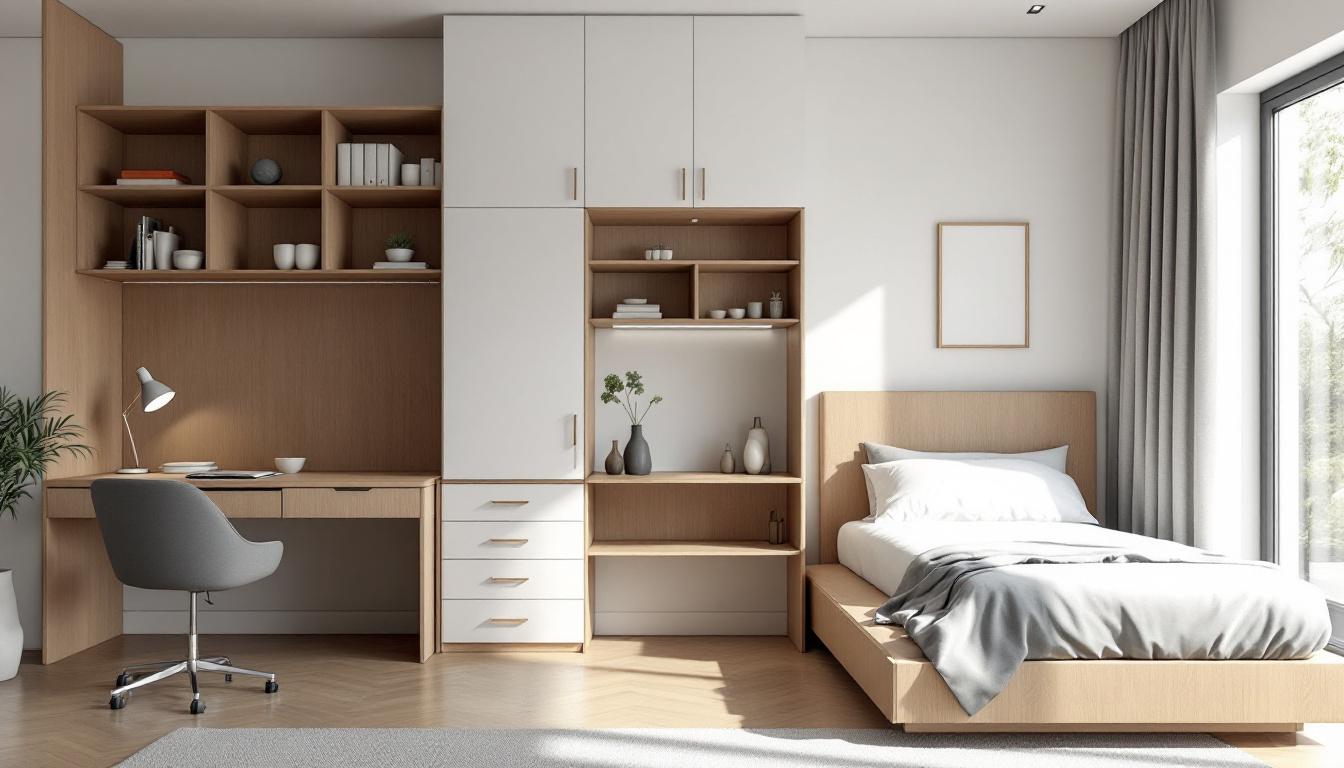
**Space saving furniture manufacturer China** suppliers have emerged as global leaders in innovative compact living solutions. As urbanization accelerates worldwide and living spaces shrink, demand for multifunctional, transformable furniture has surged—and Chinese manufacturers are at the forefront of this design revolution, combining engineering innovation with cost-effective production. This guide provides procurement managers, retailers, and interior designers with actionable insights for sourcing space-saving furniture from China, covering supplier identification, technical requirements, quality standards, and logistics specific to transformable and multifunctional furniture. ## The Space-Saving Furniture Market in China China’s space-saving furniture sector has evolved from simple folding tables to sophisticated mechanical systems featuring hydraulic lifts, motorized transformations, and integrated smart home connectivity. This evolution reflects both domestic demand (China’s major cities have some of the world’s highest population densities) and export opportunities to space-constrained markets globally. ### Manufacturing Hub Specialization **Guangdong Province (Shenzhen, Dongguan, Foshan)** The innovation center for high-tech space-saving solutions. Manufacturers here specialize in: – Motorized wall beds (Murphy beds) with remote control – Hydraulic lift mechanisms for coffee-to-dining tables – Smart storage systems with app connectivity – Premium materials and finishes Typical positioning: Mid-to-high-end market, MOQs 50-100 units **Zhejiang Province (Ningbo, Taizhou)** Focus on mechanical space-saving furniture and outdoor convertible pieces: – Manual wall bed systems – Folding and extendable dining furniture – Convertible sofa beds – Balcony and compact outdoor furniture Typical positioning: Mid-range market, MOQs 30-80 units **Jiangsu Province (Suzhou, Changzhou)** Traditional woodworking expertise applied to space-saving designs: – Solid wood transformable furniture – Traditional-meets-modern Murphy beds – Custom built-in storage solutions – High-quality veneer finishes Typical positioning: Mid-to-high-end market, MOQs 50-100 units **Hebei Province (Langfang, Bazhou)** Budget-friendly mass production of popular space-saving items: – Basic wall bed mechanisms – Simple folding furniture – Entry-level sofa beds – Metal-frame convertible pieces Typical positioning: Budget market, MOQs 100-300 units ### Categories of Space-Saving Furniture from China **Wall Beds (Murphy Beds)** The flagship space-saving category, ranging from basic manual fold-up designs to sophisticated systems with integrated storage, desks, and shelving. Chinese manufacturers offer wall beds in vertical and horizontal orientations, with various mechanism types: – Spring-based systems (most common, cost-effective) – Piston/lift-assist systems (smoother operation, premium positioning) – Motorized systems (remote control, smart home integration) **Convertible Tables** Transformable dining and coffee tables that adjust height, expand surface area, or convert between functions: – Lift-top coffee tables (storage + work surface) – Extendable dining tables (seating 4-12 people) – Coffee-to-dining transformers (height and size adjustment) – Wall-mounted drop-leaf tables **Multifunctional Seating** Seating solutions with integrated storage or transformable functions: – Storage ottomans and benches – Sofa beds (click-clack, pull-out, and sectional convertibles) – Modular seating with reconfigurable components – Nesting chairs and stackable seating **Vertical Storage Systems** Maximizing vertical space utilization: – Ceiling-mounted storage lifts – Rotating wardrobe systems – Pull-down closet organizers – Wall-mounted folding desks **Modular and Transformable Systems** Integrated room systems combining multiple functions: – Complete studio apartment systems (bed + storage + desk + dining) – Sliding wall systems with integrated furniture – Pod and capsule furniture units – Reconfigurable room dividers with storage ## Selecting a Space Saving Furniture Manufacturer China Sourcing transformable furniture requires evaluating manufacturers on additional criteria beyond standard furniture sourcing. ### Technical Capability Assessment **Mechanical Engineering Expertise** Space-saving furniture involves complex mechanical systems. Evaluate: – In-house engineering team qualifications – CAD/CAM capabilities for mechanism design – Prototype development for custom mechanisms – Testing facilities for cycle testing and load testing – Patent portfolio (indicates innovation capability) **Mechanism Quality Standards** Request documentation on: – Cycle testing results (minimum 10,000 cycles for residential, 50,000 for commercial) – Load capacity testing (2x rated load minimum) – Safety testing (pinch point protection, tip-over resistance) – Material specifications for mechanical components (steel grade, bearing specifications) **Manufacturing Precision** Transformable furniture requires tight tolerances: – CNC machining capabilities for mechanism components – Quality control for moving parts (typically ±0.2mm tolerance) – Assembly expertise for complex mechanisms – Adjustment and calibration procedures ### Supplier Verification Checklist **Certifications and Compliance** – ISO 9001 quality management – Product safety certifications (CE marking for EU, UL listing for US where applicable) – Material safety compliance (CARB Phase 2, REACH) – Structural testing certifications (BIFMA for commercial applications) **Production Capabilities** – Dedicated space-saving furniture production lines – Mechanism assembly clean rooms or controlled environments – Testing stations for functional verification – Packaging designed for mechanism protection **Experience and References** – Years producing space-saving furniture specifically – Portfolio of completed projects – Client references in your target market – Case studies of custom mechanism development ## MOQs and Pricing for Space-Saving Furniture Space-saving furniture typically commands higher MOQs than standard furniture due to mechanism complexity and specialized production requirements. ### Typical MOQ Structures | Product Category | Standard MOQ | Custom Design MOQ | Notes | |—————–|————–|——————-|——-| | Wall Beds (Manual) | 30-50 units | 50-100 units | Mechanism complexity drives MOQ | | Wall Beds (Motorized) | 20-30 units | 30-50 units | Higher value, lower volume | | Lift-Top Coffee Tables | 50-100 units | 100-200 units | Popular item, competitive pricing | | Extendable Dining Tables | 50-100 units | 100-200 units | Mechanism-dependent MOQ | | Sofa Beds | 30-50 units | 50-100 units | Upholstery adds complexity | | Storage Ottomans | 100-200 units | 200-300 units | Simpler construction | | Modular Systems | 20-30 units | 30-50 units | Higher per-unit value | ### MOQ Reduction Strategies **Mechanism Standardization** Work with manufacturers’ existing mechanism platforms: – Use standard wall bed mechanisms with custom cabinetry – Specify standard lift systems with custom table designs – Leverage existing hardware for custom applications **Phased Rollouts** Negotiate ramp-up schedules: – Initial order at reduced MOQ with price premium (10-20%) – Commitment to volume targets over 12 months – Gradual price reduction as volumes increase **Collaborative Development** For innovative designs, offer: – Exclusive market rights for defined territories – Shared development costs – Long-term supply agreements ### Pricing Structure **Cost Components in Space-Saving Furniture** | Component | % of Total Cost | Notes | |———–|—————-|——-| | Mechanical Hardware | 25-40% | Highest cost component | | Wood/Frame Materials | 20-30% | Varies by material quality | | Upholstery (if applicable) | 15-25% | Fabric and foam | | Labor and Assembly | 15-20% | Higher skill requirement | | Finish and Hardware | 5-10% | Handles, trim, accessories | **Typical FOB Pricing Ranges** | Product | Budget Range | Mid-Range | Premium Range | |———|————–|———–|—————| | Manual Wall Bed (Queen) | $280-450 | $450-750 | $750-1,500 | | Motorized Wall Bed (Queen) | $800-1,200 | $1,200-2,000 | $2,000-4,000 | | Lift-Top Coffee Table | $80-150 | $150-300 | $300-600 | | Extendable Dining Table | $150-300 | $300-600 | $600-1,200 | | Sofa Bed (3-seat) | $200-400 | $400-800 | $800-1,500 | | Storage Ottoman | $30-60 | $60-120 | $120-250 | ## Quality Control for Transformable Furniture Space-saving furniture requires enhanced quality control due to safety-critical mechanical components. ### Incoming Material Inspection **Mechanical Components** – Steel specification verification (typically Q235 or 45# steel for load-bearing parts) – Bearing quality verification (NSK, SKF, or equivalent) – Hydraulic/pneumatic component testing – Hardware torque specifications – Spring rate verification for spring-based systems **Wood and Panel Materials** – Moisture content (6-8% for North America, 8-10% for Europe) – Formaldehyde emission (E0 or E1 grade) – Density and structural integrity for load-bearing panels – Veneer and laminate adhesion testing ### In-Process Quality Control **Mechanism Assembly Verification** – Torque specifications on all fasteners – Alignment verification for moving parts – Smoothness of operation testing – Safety interlock functionality – Load distribution verification **Frame and Cabinet Construction** – Dimensional accuracy (±1mm for visible components) – Squareness and alignment – Joint integrity (dowels, screws, brackets) – Edge banding quality ### Functional Testing Protocols **Cycle Testing** Every production batch should undergo: – Wall beds: Minimum 100 open/close cycles – Lift tables: 50 complete up/down cycles – Extendable tables: 50 extend/retract cycles – Sofa beds: 50 convert cycles **Load Testing** – Static load: 2x rated capacity for 24 hours – Dynamic load: Rated capacity through 1,000 cycles – Impact testing: Simulated real-world use impacts **Safety Testing** – Pinch point evaluation (gap analysis) – Tip-over resistance (stability testing) – Finger entrapment testing – Sharp edge and point inspection ### Final Inspection Standards **Operational Verification** – Smooth operation throughout full range of motion – Proper locking and safety mechanisms – Noise level within specifications (<50 dB typical) - Ease of operation (force requirements within spec) **Appearance Standards** - Finish consistency and color match - Hardware alignment and appearance - Upholstery quality (if applicable) - Packaging integrity ## Safety Standards and Certifications Space-saving furniture must meet stringent safety requirements due to moving parts and transformation mechanisms. ### International Safety Standards **United States** - **ASTM F2057**: Clothing storage unit tip-over resistance (applies to wall beds with storage) - **ASTM F2598**: Safety specification for fold-out beds - **CPSC 16 CFR 1213**: Safety standard for entrapment hazards - **UL 962**: Household and commercial furniture safety **European Union** - **EN 1129**: Domestic furniture—fold beds—safety requirements - **EN 14749**: Domestic and kitchen storage units and worktops - **EN 12520**: Domestic seating strength and durability - **CE marking**: Required for EU market access **Other Markets** - **Australia**: AS/NZS 4220 (folding beds) - **Japan**: JIS standards for furniture safety - **Canada**: CSA standards for furniture ### Testing and Certification Process **Third-Party Testing** Engage accredited laboratories for: - Initial product certification testing - Annual re-certification - Batch testing for ongoing production **Factory Production Control** Maintain compliance through: - Documented quality procedures - Regular internal audits - Calibration of testing equipment - Training records for quality personnel ## Logistics Considerations for Space-Saving Furniture Transformable furniture requires specialized handling and packaging due to mechanical components. ### Packaging Requirements **Mechanism Protection** - Individual wrapping of mechanical components - Desiccant packs to prevent corrosion - Foam padding around moving parts - Orientation markings ("This Side Up") **Knock-Down vs. Assembled** | Configuration | Advantages | Disadvantages | |--------------|------------|---------------| | Fully Assembled | Quality verified at factory, minimal customer assembly | Higher freight costs, damage risk during shipping | | Partial KD | Balanced approach, some pre-assembly | Moderate customer assembly required | | Full KD | Lowest freight cost, minimal damage risk | Complex customer assembly, quality dependent on assembly | Most space saving furniture manufacturer China suppliers offer partial knock-down packaging: - Mechanism pre-assembled and tested - Cabinet/frame components KD for shipping - Clear assembly instructions and hardware kit ### Shipping and Handling **Container Loading** - Wall beds typically ship 40-60 units per 40-foot container - Mixed loads possible with other furniture categories - Proper blocking and bracing essential for mechanism protection **Damage Prevention** - Corner protectors on all boxes - Palletizing for forklift handling - Clear handling instructions - Insurance coverage for high-value mechanisms ### Lead Times and Planning **Standard Production Lead Times** - Existing designs: 45-60 days - Modified designs: 60-75 days - Custom mechanisms: 90-120 days **Factors Affecting Lead Time** - Mechanism complexity - Material availability (specialty hardware) - Factory capacity (peak seasons) - Testing and certification requirements ## Innovation Trends in Chinese Space-Saving Furniture Staying current with manufacturing capabilities helps identify competitive opportunities. ### Smart Furniture Integration Chinese manufacturers increasingly offer: - App-controlled wall beds and tables - Voice assistant integration (Alexa, Google Home) - Automated transformation sequences - Occupancy sensors for safety - USB charging and power integration ### Material Innovations - Lightweight composites for easier transformation - Recycled and sustainable materials - Anti-bacterial surface treatments - Scratch and stain-resistant finishes - Fire-retardant materials for commercial applications ### Design Trends - Scandinavian minimalist aesthetics - Industrial loft styling - Mid-century modern influences - Japandi (Japanese-Scandinavian) fusion - Customizable finishes and configurations ## Building Supplier Relationships Long-term partnerships with space saving furniture manufacturer China suppliers yield significant benefits. ### Partnership Advantages - **Priority Production**: Established relationships secure capacity during peak seasons - **Co-Development Opportunities**: Joint innovation on new mechanisms - **Price Stability**: Long-term agreements protect against market fluctuations - **Quality Consistency**: Deep understanding of your standards over time - **Exclusive Designs**: Territory or channel exclusivity for proprietary products ### Relationship Management Best Practices - Annual factory visits to review capabilities and discuss roadmap - Quarterly business reviews to assess performance - Shared demand forecasting for production planning - Collaborative cost reduction initiatives - Joint participation in trade shows and market development ## Conclusion Sourcing from a space saving furniture manufacturer China offers access to innovative compact living solutions at competitive price points. Success requires understanding the technical complexity of transformable furniture, implementing rigorous quality control, and building strategic supplier partnerships. The space-saving furniture market continues to grow as urban living spaces shrink globally. By partnering with capable Chinese manufacturers and following the frameworks outlined in this guide, retailers and brands can offer compelling solutions that meet the evolving needs of space-conscious consumers. --- **Looking for space-saving furniture manufacturing partners?** Visit [FurnitureMadeInChina.com](https://furnituremadeinchina.com) to connect with verified space saving furniture manufacturers, explore their product catalogs, and request quotations for your specific requirements. Our team specializes in matching buyers with the right manufacturing partners for transformable and multifunctional furniture solutions.
Category: SEO
-

OEM Furniture Manufacturer China: A Strategic Guide for Brand Owners and Retailers
**OEM furniture manufacturer China** partnerships have become the foundation of successful furniture brands worldwide. Whether you’re launching a new furniture line, expanding existing collections, or seeking to reduce production costs while maintaining quality, understanding how to effectively work with Chinese OEM manufacturers is critical for competitive positioning in today’s market. This comprehensive guide covers everything brand owners, retailers, and product developers need to know about establishing and managing OEM furniture manufacturing relationships in China—from initial supplier identification to quality assurance and intellectual property protection. ## Understanding OEM Furniture Manufacturing in China OEM (Original Equipment Manufacturer) furniture production involves manufacturing products based on your designs and specifications, sold under your brand name. This differs from ODM (Original Design Manufacturer) where the factory provides existing designs, and white-label manufacturing where generic products are rebranded. ### The Chinese OEM Furniture Ecosystem China’s OEM furniture sector comprises a sophisticated network of manufacturers organized by specialization, scale, and export experience. The ecosystem has evolved significantly over the past decade, with many factories transitioning from pure manufacturing to offering value-added services including design refinement, material sourcing, and logistics coordination. **Manufacturing Cluster Distribution** | Region | Specialization | Typical OEM MOQ | Price Position | |——–|—————|—————–|—————-| | Guangdong (Foshan) | Comprehensive furniture, high-end | 100-300 units | Mid-to-high | | Zhejiang (Hangzhou/Ningbo) | Upholstery, modern designs | 50-200 units | Mid-range | | Fujian (Quanzhou/Xiamen) | Metal furniture, outdoor | 100-500 units | Budget-to-mid | | Jiangsu (Suzhou/Changzhou) | Solid wood, traditional styles | 100-300 units | Mid-to-high | | Hebei (Langfang/Bazhou) | Upholstered furniture, budget | 50-150 units | Budget | | Shandong (Qingdao) | Wood furniture, Japanese/Korean export | 100-300 units | Mid-range | ### Types of OEM Furniture Manufacturers **Full-Service OEM Partners** These manufacturers handle the complete production cycle from material sourcing to finished goods, including design optimization for manufacturing. They typically require higher MOQs (200+ units) but offer the most streamlined experience. **Component Specialists** Factories focusing on specific manufacturing processes—upholstery, woodworking, metal fabrication, or finishing. These work well for complex products requiring multiple specialized processes, coordinated by a primary manufacturer or trading company. **Flexible Small-Batch Manufacturers** Emerging manufacturers catering to startups and e-commerce brands with lower MOQs (30-100 units) and faster turnaround times. Often utilize more automated, flexible manufacturing systems. ## Finding and Evaluating OEM Furniture Manufacturers The supplier selection process for OEM manufacturing requires thorough evaluation across multiple dimensions. ### Sourcing Channels **Industry Trade Shows** – CIFF (China International Furniture Fair) – Guangzhou, March and September – Shanghai Furniture Fair – September – IMM Cologne (Chinese manufacturer pavilion) – January – High Point Market (Chinese exhibitor section) – April/October **B2B Platforms** – Alibaba.com: Extensive supplier database with trade assurance – Global Sources: Focus on export-ready manufacturers – Made-in-China.com: Strong furniture category presence – ThomasNet: North America-focused with Chinese supplier listings **Industry Associations** – China National Furniture Association (CNFA) – Local chamber of commerce connections – Industry-specific trade organizations ### Evaluation Criteria for OEM Partners **Technical Capabilities Assessment** Request documentation and samples demonstrating: – Engineering drawing interpretation (CAD, SolidWorks files) – Prototype development capabilities – Material substitution recommendations for cost optimization – Manufacturing tolerance capabilities (typically ±0.5mm for furniture) – Finish matching and color consistency control **Production Capacity Analysis** Verify ability to meet your volume requirements: – Monthly production capacity by product category – Current capacity utilization (aim for partners under 80% utilization) – Equipment list and age (CNC machines, edge banders, finishing lines) – Shift operations (single, double, or triple shift) – Peak season capacity constraints **Quality Management Systems** Essential certifications and systems: – ISO 9001:2015 quality management – Incoming material inspection protocols – In-process quality checkpoints – Final inspection and testing procedures – Defect tracking and corrective action systems – AQL (Acceptable Quality Level) standards **Financial Stability Verification** Protect your investment by verifying: – Business registration and legal structure – Years in operation (prefer 5+ years for primary partners) – Export license and experience – Bank references – Trade insurance ratings – Major client portfolio ## OEM Manufacturing MOQs and Pricing Structures Understanding MOQ structures and pricing components enables effective negotiation and cost planning. ### Typical OEM Furniture MOQs | Product Category | Startup MOQ | Standard MOQ | Volume MOQ | |—————–|————-|————–|————| | Dining Chairs | 50-100 | 100-200 | 300+ | | Dining Tables | 30-50 | 50-100 | 200+ | | Sofas (2-3 seat) | 20-30 | 30-50 | 100+ | | Armchairs | 30-50 | 50-100 | 200+ | | Coffee Tables | 50-100 | 100-200 | 300+ | | Bed Frames | 30-50 | 50-100 | 200+ | | Storage Units | 30-50 | 50-100 | 200+ | | Outdoor Furniture | 50-100 | 100-200 | 300+ | ### MOQ Negotiation Strategies **Mixed Container Loads** Most OEM furniture manufacturers China accept mixed SKU orders to fill containers: – 20-foot container: Minimum 25-28 CBM total volume – 40-foot container: Minimum 55-60 CBM total volume – Combine multiple SKUs to reach container minimums while keeping per-SKU quantities lower **Material Sharing** Negotiate lower MOQs by using common materials across multiple SKUs: – Same wood species with different stains – Common upholstery fabrics across chair models – Shared hardware and components **Phased Production** For new product launches, negotiate: – Initial trial order at reduced MOQ (50-75% of standard) – Commitment to reach full MOQ within 6-12 months – Surcharge of 10-20% for below-standard MOQ ### Pricing Structure Components **NRE (Non-Recurring Engineering) Costs** One-time costs for new OEM products: – Mold and tooling: $500-5,000 depending on complexity – Sample development: $200-1,000 per SKU – Documentation and specification development: $300-800 **Unit Pricing Factors** | Cost Component | Typical Range | Notes | |—————|—————|——-| | Raw Materials | 35-45% of unit cost | Wood, metal, foam, fabric, hardware | | Direct Labor | 15-25% of unit cost | Varies by region and complexity | | Manufacturing Overhead | 10-15% of unit cost | Factory utilities, maintenance, management | | Packaging | 3-8% of unit cost | Depends on protection requirements | | Factory Margin | 10-20% of unit cost | Varies by factory and order size | **Price Validity and Adjustment Clauses** Standard OEM agreements should include: – Price validity periods (typically 6-12 months) – Material price fluctuation adjustments (triggered by >5% commodity price change) – Currency adjustment mechanisms for multi-year agreements – Volume discount tiers (typically 3-5% at 2x MOQ, 5-10% at 5x MOQ) ## The OEM Product Development Process Successful OEM manufacturing requires structured product development collaboration. ### Phase 1: Design Transfer (Weeks 1-3) **Documentation Package** Provide comprehensive design documentation: – 3D CAD files (STEP, IGES, or native SolidWorks/Inventor) – 2D technical drawings with dimensions and tolerances – Material specifications (wood species, fabric codes, hardware specs) – Finish specifications (stain colors, paint codes, sheen levels) – Assembly instructions and exploded views – Packaging requirements and branding specifications **Design for Manufacturing (DFM) Review** Expect your OEM furniture manufacturer China to provide: – Manufacturability feedback and suggested improvements – Material substitution recommendations for cost reduction – Assembly optimization suggestions – Tolerance relaxation recommendations where appropriate – Alternative construction methods evaluation ### Phase 2: Prototyping (Weeks 4-8) **Sample Development Timeline** – First prototype: 2-3 weeks – Revision rounds: 1-2 weeks each – Final pre-production sample: 2-3 weeks **Prototype Evaluation Checklist** Evaluate samples against: – Dimensional accuracy (measure critical dimensions) – Material authenticity (verify specified materials) – Construction quality (joinery, fastening, reinforcement) – Finish quality (color match, consistency, durability) – Functionality (moving parts, adjustability, stability) – Weight and structural integrity ### Phase 3: Production Preparation (Weeks 9-10) **Pre-Production Activities** – Final engineering sign-off – Material procurement and incoming inspection – Production tooling setup and validation – Operator training for new products – Quality control protocol finalization – Packaging design approval ### Phase 4: Production and Quality Control (Weeks 11-18) **Production Monitoring** – Weekly production reports – In-process inspection at 20%, 50%, and 80% completion – Final pre-shipment inspection (AQL 2.5 major, 4.0 minor) – Packaging inspection and container loading supervision ## Quality Assurance for OEM Furniture Maintaining consistent quality across production runs requires systematic quality management. ### Incoming Material Control **Wood and Wood Products** – Moisture content verification (6-10% depending on destination climate) – Grade verification against specifications – Dimensional stability testing – Certification verification (FSC, CARB compliance) **Upholstery Materials** – Fabric weight and composition testing – Color fastness testing (wash, light, rubbing) – Abrasion resistance (Wyzenbeek or Martindale methods) – Flammability testing (CAL 117, BS 5852 as required) **Hardware and Components** – Load testing for structural hardware – Cycle testing for moving parts (drawer slides, hinges) – Corrosion resistance testing for metal components – Dimensional verification ### In-Process Quality Control **Critical Control Points** – Cut parts dimensional verification – Joinery quality inspection – Upholstery frame construction – Foam density and placement – Finish application consistency – Assembly accuracy **Statistical Process Control** Implement SPC for high-volume production: – Control charts for critical dimensions – Process capability studies (Cpk > 1.33 minimum) – Corrective action triggers and procedures ### Final Inspection Protocols **AQL Sampling Plans** Standard furniture inspection uses General Inspection Level II: – Lot size 501-1,200: Sample 80 pieces – Lot size 1,201-3,200: Sample 125 pieces – Lot size 3,201-10,000: Sample 200 pieces Acceptance criteria: – Critical defects: 0 allowed – Major defects (AQL 2.5): Functional issues, safety concerns, significant appearance defects – Minor defects (AQL 4.0): Minor appearance issues, non-functional discrepancies **Testing Protocols** Conduct or witness testing for: – Static load testing (2x rated capacity) – Dynamic load testing (repeated loading cycles) – Stability testing (tip-over resistance) – Finish adhesion testing (cross-hatch method) – Hardware functionality testing ## Intellectual Property Protection Protecting your designs when working with OEM furniture manufacturers China requires proactive measures. ### Legal Protections **Contracts and Agreements** – NDA (Non-Disclosure Agreement): Before sharing designs – NNN Agreement (Non-Use, Non-Disclosure, Non-Circumvention): Comprehensive protection – OEM Manufacturing Agreement: Detailed production terms – IP Assignment/Protection clauses **Intellectual Property Registration** – Design patents in China (if applicable) – Trademark registration in China – Copyright registration for original designs – Utility patents for novel mechanisms or features ### Operational Protections **Design Fragmentation** – Split component manufacturing across multiple suppliers – Provide final assembly specifications only to trusted partners – Use code names for sensitive products **Relationship Management** – Exclusive manufacturing agreements for proprietary designs – Regular relationship reviews and facility visits – Clear communication of IP expectations – Gradual trust building before sharing core designs ## Logistics and Supply Chain Management Efficient logistics management ensures timely delivery and cost control. ### Shipping Options **Full Container Load (FCL)** – 20-foot container: ~28 CBM capacity – 40-foot container: ~58 CBM capacity – 40-foot high cube: ~68 CBM capacity – Most economical for orders filling 75%+ of container **Less than Container Load (LCL)** – Suitable for smaller orders – 30-40% higher cost per CBM than FCL – Higher handling risk – Consolidation delays at origin **Multi-Modal Options** – Sea-air combination for time-sensitive orders – Rail freight (China-Europe) for mid-urgency orders – Express courier for samples and small urgent shipments ### Lead Time Management **Standard Production Lead Times** – Repeat orders: 45-60 days – New products: 60-90 days – Complex custom products: 90-120 days **Lead Time Reduction Strategies** – Forecast sharing with manufacturers – Raw material pre-positioning agreements – Expedited production scheduling (premium 15-25%) – Air freight for critical path items ### Inventory and Replenishment Strategies **Economic Order Quantity (EOQ)** Balance ordering costs against holding costs: – Consider freight consolidation benefits – Factor in supplier minimum order requirements – Account for demand variability **Safety Stock Planning** – Calculate safety stock based on demand variability and lead time uncertainty – Typical safety stock: 2-4 weeks of average demand – Review and adjust quarterly ## Building Successful OEM Partnerships Long-term OEM relationships deliver better pricing, priority scheduling, and collaborative improvement. ### Partnership Development Stages **Stage 1: Transactional (Months 1-6)** – Focus on execution and quality verification – Establish communication protocols – Build mutual understanding of expectations **Stage 2: Cooperative (Months 6-18)** – Share demand forecasts – Collaborate on cost reduction initiatives – Develop streamlined processes **Stage 3: Strategic (18+ Months)** – Joint product development – Exclusive manufacturing arrangements – Shared continuous improvement programs – Integrated planning and forecasting ### Communication Best Practices **Regular Touchpoints** – Weekly production updates during active orders – Monthly business reviews – Quarterly strategic planning sessions – Annual face-to-face meetings (factory visits) **Clear Documentation** – Written confirmation of all verbal agreements – Detailed specifications for every order – Change order documentation – Quality feedback and corrective action tracking ## Conclusion Working with an OEM furniture manufacturer China offers significant competitive advantages for furniture brands and retailers. Success requires thorough supplier qualification, clear communication, robust quality systems, and intellectual property protection. The investment in developing strong OEM partnerships pays dividends through cost optimization, product quality, and supply chain reliability. By following the frameworks outlined in this guide—from initial supplier evaluation to long-term partnership management—you can build a manufacturing foundation that supports sustainable business growth. — **Ready to explore OEM furniture manufacturing partnerships?** Visit [FurnitureMadeInChina.com](https://furnituremadeinchina.com) to connect with verified OEM furniture manufacturers, request quotations for your designs, and access our comprehensive supplier verification resources. Our team can help match your specific requirements with the right manufacturing partners across China’s furniture production regions.
-
Hotel Furniture Manufacturers China: A Strategic Sourcing Guide for Hospitality Procurement
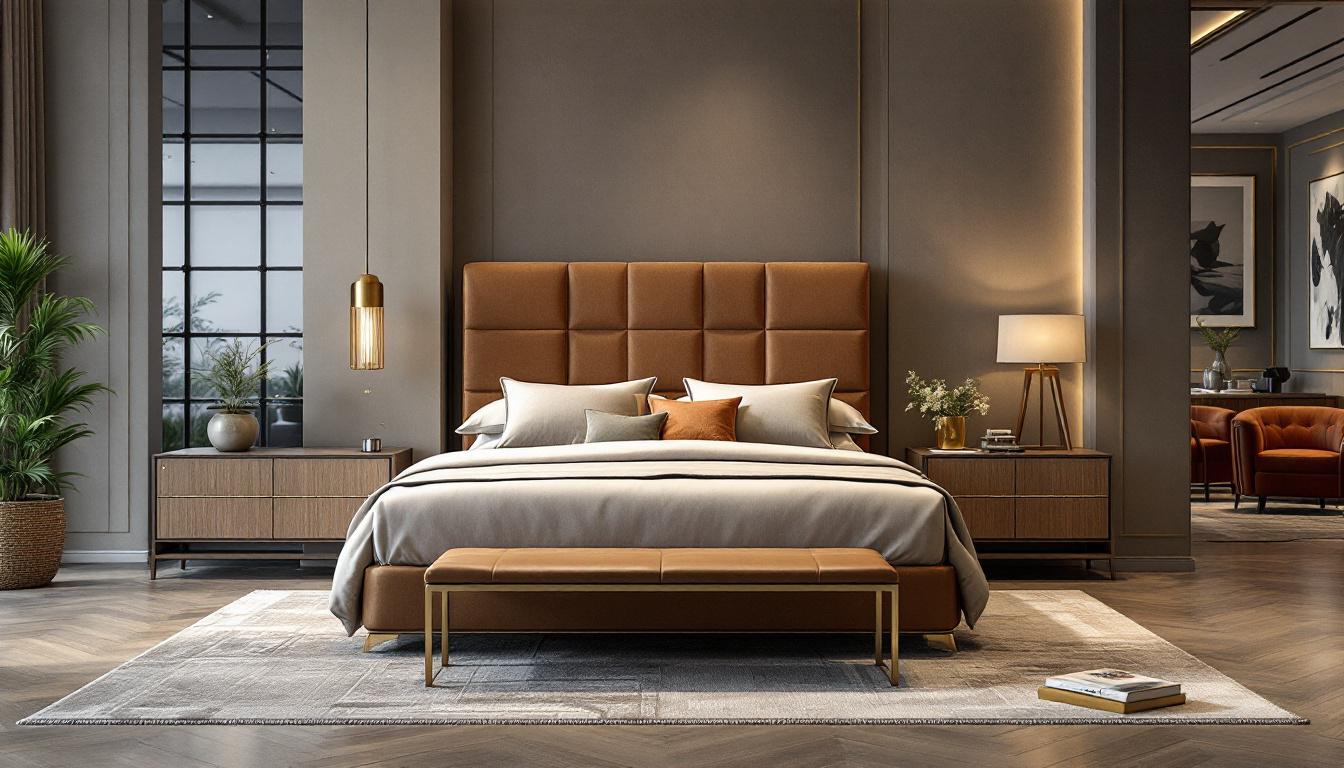
**Hotel furniture manufacturers China** have become the preferred sourcing destination for hospitality projects worldwide, supplying everything from budget boutique hotels to five-star luxury properties. With over 60% of global hotel furniture production originating from China, understanding how to work with these specialized manufacturers is essential for hotel developers, procurement managers, and interior design firms. This guide provides actionable insights for sourcing hotel furniture from China, covering supplier qualification, project management, quality standards, and logistics specific to hospitality industry requirements. ## The China Hotel Furniture Manufacturing Landscape China’s hotel furniture sector operates distinctly from residential furniture manufacturing. Specialized factories understand the unique demands of commercial hospitality environments—durability requirements, fire safety standards, rapid turnaround needs, and brand consistency across multiple properties. ### Regional Manufacturing Hubs **Guangdong Province (Foshan, Dongguan, Shenzhen)** The epicenter of hotel furniture manufacturing, hosting over 3,000 specialized factories. Foshan alone accounts for approximately 40% of China’s hotel furniture exports. Manufacturers here excel in mid-to-high-end custom furniture and complete FF&E (Furniture, Fixtures, and Equipment) packages. **Zhejiang Province (Hangzhou, Ningbo)** Known for modern and contemporary hotel furniture styles. Strong in metal and mixed-material construction, popular with boutique and design-forward hotel brands. **Jiangsu Province (Suzhou)** Traditional craftsmanship heritage combined with modern manufacturing. Specializes in luxury hotel furniture with intricate detailing and premium materials. **Hebei and Shandong Provinces** Emerging hubs focusing on budget to mid-range hotel furniture with competitive pricing and faster production cycles. ### Types of Hotel Furniture Manufacturers **Full-Service FF&E Providers** These companies manage entire hotel furnishing projects, coordinating furniture, lighting, artwork, and accessories. Ideal for new hotel builds or complete renovations requiring single-source accountability. **Specialized Category Manufacturers** Factories focusing on specific product categories—casegoods (wardrobes, dressers, nightstands), seating (lobby furniture, restaurant chairs), or sleep systems (beds, headboards, mattresses). **Custom Workshop Operations** Smaller manufacturers specializing in bespoke pieces for luxury properties requiring unique designs and premium materials. ## Supplier Selection for Hotel Projects Selecting hotel furniture manufacturers China requires more rigorous vetting than residential furniture sourcing due to project complexity and compliance requirements. ### Essential Qualifications to Verify **Hospitality Industry Experience** Request portfolios showing completed hotel projects, preferably in your target market segment. Look for: – Minimum 5 years of hotel furniture manufacturing experience – References from hotel brands comparable to your project – Understanding of hospitality operational requirements (housekeeping efficiency, durability standards) **Compliance Certifications** Hotel furniture must meet stringent safety and performance standards: – **CAL 117 / TB 117-2013**: California fire safety standards (widely adopted internationally) – **BS 5852**: UK fire resistance standards – **ASTM F2057**: Clothing storage unit safety (anti-tip requirements) – **BIFMA X5.4**: Lounge and public seating durability (50,000+ cycle testing) – **ISO 14001**: Environmental management systems **Financial Stability Assessment** Hotel projects often span 6-12 months with significant payment milestones. Verify manufacturer financial health through: – Business registration and capital verification – Bank references – Trade insurance reports – Years in continuous operation ### Factory Audit Checklist Before finalizing any hotel furniture manufacturer China, conduct or commission a comprehensive factory audit covering: **Production Capabilities** – CNC machining centers for precision manufacturing – Upholstery workshops with industrial sewing equipment – Finishing facilities with spray booths and curing ovens – Quality control stations with testing equipment **Project Management Infrastructure** – Dedicated project managers with English proficiency – CAD/CAM capabilities for technical drawings – Sample development workshop for mock-up production – Installation team or partnerships for destination market **Capacity and Scalability** – Current order book and production schedule – Ability to surge capacity for large projects – Subcontractor relationships for overflow capacity – Raw material inventory and supplier relationships ## Understanding Hotel Furniture MOQs and Pricing Hotel furniture projects differ significantly from retail furniture purchasing in terms of order structure and pricing models. ### Typical MOQ Structures **Room Package Orders** Most hotel furniture manufacturers China structure MOQs around complete room packages: – Minimum 20-50 rooms for standard designs – Minimum 50-100 rooms for custom designs – Mixed room types (standard, suite, accessible) typically accepted within MOQ **Public Area Furniture** – Lobby seating: 10-20 pieces per style – Restaurant chairs: 30-50 pieces minimum – Bar stools: 20-30 pieces minimum – Conference tables: 5-10 tables **Value Engineering Options** For projects below standard MOQs, manufacturers may offer: – Modified designs using existing components – Extended production timelines to combine with other orders – Surcharges of 15-25% for below-MOQ orders ### Pricing Models **Per-Room Pricing** Many hotel furniture manufacturers China offer packaged per-room pricing for standard room types: – Budget/Economy: $2,500-4,000 per room – Mid-Scale: $4,500-7,500 per room – Upscale: $8,000-15,000 per room – Luxury: $15,000-40,000+ per room **Component Pricing** For custom projects or mixed procurement: – Headboards: $180-600 (depending on size and materials) – Nightstands: $120-350 – Dressers: $280-650 – Wardrobes: $450-1,200 – Desk/vanity units: $200-500 – Lounge chairs: $250-800 – Sofa beds: $600-1,500 **Factors Affecting Pricing** – Wood species (oak, walnut, ash, rubberwood, or veneers) – Upholstery grade (commercial vs. residential fabric) – Hardware quality (soft-close drawers, European hinges) – Finish complexity (stain matching, distressing, specialty finishes) – Project timeline (rush orders incur 20-30% premiums) ## Quality Standards for Hotel Furniture Hotel furniture must withstand intensive daily use while maintaining appearance standards. Understanding quality benchmarks ensures appropriate specifications. ### Durability Requirements **Casegoods (Wardrobes, Dressers, Nightstands)** – Drawer slides: 50,000+ cycle rating (minimum 100 lb capacity) – Hinges: 100,000+ cycle rating – Edge banding: 2mm PVC minimum, preferably 3mm – Shelf loading: 75+ lb static load capacity – Tip-over prevention: Wall-anchoring hardware included **Seating (Chairs, Sofas, Lounge Furniture)** – Frame construction: Kiln-dried hardwood, corner-blocked and glued – Spring systems: 8-way hand-tied or sinuous spring with minimum 11-gauge wire – Foam density: 2.0+ lb density for seat cushions, 1.8+ for backs – Fabric durability: 50,000+ double rubs (Wyzenbeek method) – Frame warranty: Minimum 10 years commercial use **Sleep Systems** – Bed frames: Center support legs required for queen and larger – Headboards: Secure wall-mounting systems – Mattress foundations: Rigid platform or slat systems (no box springs) ### Finish Quality Standards **Wood Finishes** – Pre-catalyzed lacquer or conversion varnish minimum – 4-5 coat system for high-traffic surfaces – UV resistance for sun-exposed pieces – Chemical resistance testing (cleaning products, alcohol) **Metal Finishes** – Powder coating for durability – 1,000+ hour salt spray testing for corrosion resistance – Proper surface preparation (phosphate treatment, sanding) ## Project Management and Production Timelines Hotel furniture projects require meticulous coordination between design approval, production, shipping, and installation. ### Standard Project Timeline | Phase | Duration | Key Activities | |——-|———-|—————-| | Design Development | 4-8 weeks | Concept refinement, material selection, technical drawings | | Sample Production | 6-10 weeks | Mock-up room or sample pieces for approval | | Production | 10-16 weeks | Mass manufacturing with quality checkpoints | | Shipping | 4-6 weeks | Ocean freight to destination port | | Installation | 2-4 weeks | Unpacking, assembly, placement, final inspection | | **Total Project Duration** | **26-44 weeks** | From design approval to project completion | ### Critical Path Management **Sample Approval Phase** The sample approval process is the most critical milestone. Rushing this phase often results in production errors that are expensive to correct. Budget 2-3 rounds of sample revisions for custom designs. **Production Monitoring** Establish inspection checkpoints: – Material incoming inspection (verify wood species, fabric lots) – In-process inspection (joinery, upholstery frames) – Pre-finishing inspection (sanding, preparation quality) – Final inspection (complete assembly, finish quality) – Pre-shipment inspection (packaging, labeling, documentation) **Shipping Coordination** Hotel furniture often requires specialized shipping: – Flat-pack vs. assembled shipment (affects freight costs and installation time) – White glove delivery requirements – Coordination with hotel construction/renovation schedules – Storage solutions if site not ready for delivery ## Logistics and Shipping for Hotel Projects Hotel furniture shipments require specialized handling due to volume, value, and coordination requirements. ### Shipping Configuration Options **Fully Assembled (KD-0)** Furniture ships completely assembled. Highest freight costs but minimal on-site labor. Best for high-value pieces or markets with limited installation capability. **Partially Assembled (KD-5 to KD-10)** Moderate disassembly for shipping (legs removed, backs detached). Balanced approach for most hotel projects. **Knock-Down Flat Pack (KD-100)** Maximum disassembly for container efficiency. Requires significant on-site assembly labor but reduces freight costs by 40-60%. ### Container Loading Strategies **Floor-Loaded Containers** For large projects, floor-loaded containers (without pallets) maximize space utilization. Requires factory loading expertise and destination unloading equipment. **Palletized Loads** Standard pallets facilitate handling but reduce container capacity by 15-20%. Recommended for smaller shipments or destinations with limited handling equipment. **Mixed Loading** Combining assembled casegoods with flat-packed seating optimizes space while managing labor requirements. ### Import Considerations **Customs Documentation** Hotel furniture imports require: – Detailed commercial invoices with HS codes – Packing lists with piece counts and dimensions – Certificates of origin for duty preference claims – Fumigation certificates (ISPM-15 compliant wood packaging) – Fire safety compliance documentation **Duty and Tax Planning** Hotel furniture typically falls under HS codes 9403 (furniture and parts). Duty rates vary by country: – United States: 0-25% depending on product category and origin – European Union: 0-5% for most furniture categories – Australia: 5% general rate – Middle East: Generally duty-free ## Risk Mitigation Strategies Hotel furniture projects involve significant capital investment. Implement these risk mitigation strategies: ### Financial Protections – **Letter of Credit (L/C)**: Secure payment through documentary credit for large orders – **Trade Credit Insurance**: Protect against manufacturer default – **Escrow Services**: Use third-party escrow for initial deposits with new suppliers – **Milestone Payments**: Structure payments tied to verifiable milestones (sample approval, production start, pre-shipment, delivery) ### Quality Assurance – **Third-Party Inspection**: Engage SGS, Bureau Veritas, or equivalent for pre-shipment inspection – **Factory Surveillance**: Schedule unannounced inspections during production – **Sample Retention**: Retain approved samples for production comparison – **Photographic Documentation**: Require factory photos at each production stage ### Contract Protections – **Detailed Specifications**: Attach complete technical specifications to purchase orders – **Liquidated Damages**: Include penalties for late delivery – **Quality Guarantees**: Define acceptable quality levels and remedy procedures – **Intellectual Property Protection**: Include confidentiality and non-compete clauses for custom designs ## Sustainability in Hotel Furniture Sourcing Environmental responsibility increasingly influences hotel brand positioning and guest preferences. ### Sustainable Sourcing Practices **Material Certification** – FSC-certified wood and wood products – Greenguard certification for low chemical emissions – Recycled content materials where appropriate – Rapidly renewable materials (bamboo, rattan) **Manufacturing Standards** – ISO 14001 environmental management – Water-based finishes and adhesives – Waste reduction and recycling programs – Energy-efficient manufacturing processes **End-of-Life Considerations** – Design for disassembly – Recyclable material selection – Take-back programs for furniture replacement ## Building Strategic Partnerships Long-term relationships with hotel furniture manufacturers China yield significant advantages: – **Preferred Pricing**: Volume commitments secure better pricing – **Priority Production**: Established partners receive scheduling preference – **Design Collaboration**: Joint development of proprietary furniture collections – **Market Intelligence**: Early access to new materials and manufacturing techniques – **Global Support**: Multi-regional service capabilities for international hotel groups ## Conclusion Sourcing from hotel furniture manufacturers China requires specialized knowledge, rigorous supplier qualification, and meticulous project management. The investment in proper due diligence pays dividends through competitive pricing, consistent quality, and reliable delivery. Success depends on viewing Chinese manufacturers as strategic partners rather than commodity suppliers. By establishing clear specifications, implementing robust quality control, and maintaining open communication, hotel developers and procurement managers can leverage China’s manufacturing capabilities while meeting the exacting standards of the hospitality industry. — **Planning a hotel furniture project?** Visit [FurnitureMadeInChina.com](https://furnituremadeinchina.com) to connect with verified hotel furniture manufacturers, request detailed quotations, and access our hospitality procurement resources. Our team specializes in matching hotel projects with the right manufacturing partners across China’s hotel furniture production centers.
-
Wholesale Solid Wood Furniture from China: A Complete Procurement Guide for Importers
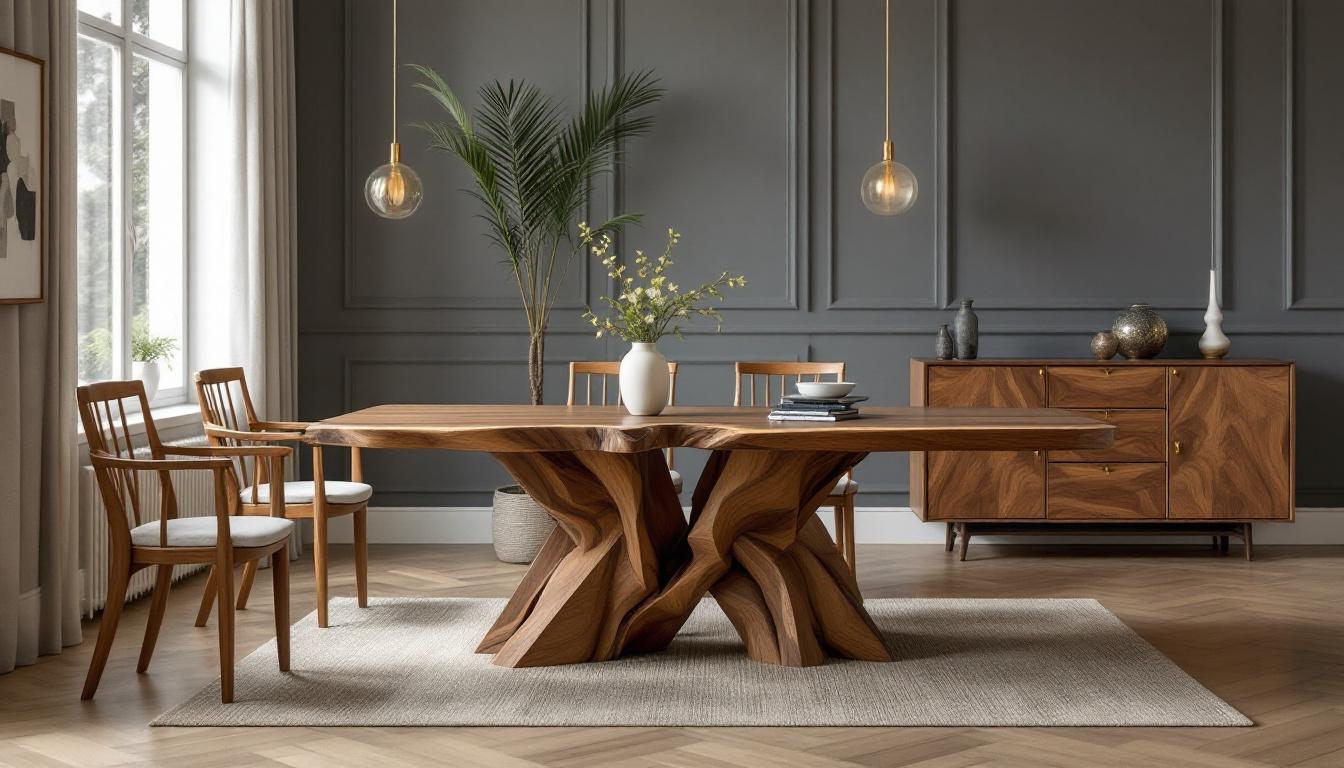
**Wholesale solid wood furniture from China** represents one of the most lucrative opportunities for furniture retailers, interior designers, and hospitality businesses seeking quality craftsmanship at competitive prices. With China’s furniture manufacturing industry valued at over $100 billion annually, understanding how to navigate this market can significantly impact your bottom line. This comprehensive guide walks procurement managers and importers through every stage of sourcing wholesale solid wood furniture from China—from supplier selection to final delivery. ## Why Source Solid Wood Furniture from China? China’s furniture manufacturing sector has evolved dramatically over the past two decades. What began as a hub for low-cost, mass-produced items has transformed into a sophisticated industry capable of producing high-quality solid wood furniture that meets international standards. ### Key Advantages of Chinese Solid Wood Furniture Manufacturing **Cost Efficiency Without Compromising Quality** Chinese manufacturers benefit from vertical integration, controlling everything from timber sourcing to final finishing. This integration typically results in 30-40% cost savings compared to European or North American suppliers, while maintaining comparable quality standards. **Material Variety and Availability** China offers access to diverse wood species including oak, walnut, ash, rubberwood, and bamboo. Many manufacturers maintain direct relationships with sustainable forestry operations in Southeast Asia, Africa, and domestic plantations, ensuring consistent material supply. **Manufacturing Scale and Flexibility** Whether you need 50 custom dining tables or 5,000 standardized bedroom sets, Chinese factories can accommodate orders across the spectrum. This scalability makes wholesale solid wood furniture from China suitable for businesses of all sizes. ## Supplier Selection: Finding the Right Manufacturing Partner Selecting the right supplier is perhaps the most critical decision in your procurement journey. The wrong choice can result in quality issues, delivery delays, and financial losses. ### Types of Solid Wood Furniture Manufacturers in China **Tier 1: Large-Scale Export Manufacturers** These factories typically employ 500+ workers and serve major international brands. They offer the highest consistency and compliance with international standards but often require larger minimum order quantities (MOQ 100-300 pieces per SKU). **Tier 2: Mid-Sized Specialized Manufacturers** With 100-500 workers, these factories often specialize in specific categories (dining furniture, bedroom sets, office furniture). They offer better flexibility with MOQs typically ranging from 50-100 pieces and more personalized service. **Tier 3: Small Workshops and Trading Companies** While offering the lowest MOQs (sometimes 20-30 pieces), these suppliers present higher risks regarding quality consistency and production capacity. Best suited for trial orders or highly customized small batches. ### Verification Checklist for Potential Suppliers Before committing to any manufacturer, verify the following: – **Business License and Export Rights**: Request copies of their business registration and customs registration certificates – **Factory Audit Reports**: Look for ISO 9001, ISO 14001, or FSC Chain of Custody certifications – **Client References**: Ask for contact information of existing international clients – **Production Facilities**: Request video tours or arrange third-party factory inspections – **Quality Control Processes**: Understand their incoming material inspection, in-process QC, and final inspection protocols ### Recommended Sourcing Platforms – **Alibaba.com**: Largest B2B platform with extensive supplier verification systems – **Global Sources**: Focuses on export-ready manufacturers with trade show presence – **Made-in-China.com**: Strong in furniture categories with factory audit reports – **Industry Trade Shows**: CIFF (China International Furniture Fair) in Guangzhou and Shanghai Furniture Fair offer direct factory access ### Red Flags to Avoid When evaluating potential suppliers for wholesale solid wood furniture from China, watch for these warning signs: – **Unwillingness to provide factory address or allow visits**: Legitimate manufacturers welcome inspections – **Prices significantly below market rates**: Often indicates material substitution or quality shortcuts – **No export experience**: First-time exporters may struggle with documentation and compliance – **Pressure for large upfront payments**: Standard terms are 30% deposit, 70% before shipment – **Inability to provide material certifications**: Critical for verifying solid wood claims – **No quality control documentation**: Professional factories maintain detailed QC records ## Understanding Minimum Order Quantities (MOQ) MOQ structures vary significantly based on manufacturer size, product complexity, and customization requirements. ### Standard MOQ Ranges for Solid Wood Furniture | Product Category | Standard MOQ | Custom Design MOQ | |—————–|————–|——————-| | Dining Chairs | 50-100 pieces | 100-200 pieces | | Dining Tables | 30-50 pieces | 50-100 pieces | | Bed Frames | 30-50 pieces | 50-100 pieces | | Nightstands | 50-100 pieces | 100-200 pieces | | Wardrobes | 20-30 pieces | 30-50 pieces | | Coffee Tables | 50-100 pieces | 100-200 pieces | ### Negotiating MOQs Many manufacturers are willing to negotiate MOQs, especially for: – First-time orders to establish relationships – Mixed container loads (combining multiple SKUs) – Off-peak production seasons (typically Chinese New Year period, January-February) – Long-term partnership commitments Strategy: Start with a trial order at standard MOQ, then negotiate reduced MOQs for repeat orders based on performance. ## Quality Control: Ensuring Product Standards Quality control for solid wood furniture requires attention to material authenticity, construction methods, and finishing standards. ### Material Verification **Wood Species Authentication** Request material certificates specifying exact wood species. Common substitutions include rubberwood marketed as oak, or MDF cores with wood veneer sold as solid wood. Insist on written specifications and consider third-party material testing for high-value orders. **Moisture Content Standards** Properly dried wood is essential for furniture stability. International standards specify: – 6-8% moisture content for furniture exported to North America – 8-10% for European destinations – 10-12% for tropical climates Request moisture content test reports and specify requirements in your purchase contracts. ### Construction Quality Standards **Joinery Methods** Quality solid wood furniture should feature: – Dovetail joints in drawer construction (not stapled or glued corners) – Mortise and tenon joints for structural connections – Proper wood expansion gaps in panel construction – Corner blocks in chair and table construction **Finish Quality** Inspect for: – Even stain application without blotching – Smooth surface preparation (180-220 grit minimum) – Appropriate clear coat thickness (2-3 coats for residential, 4-5 for commercial) – Proper curing time between coats (minimum 24 hours) ### Quality Control Protocols **Pre-Production Samples (PPS)** Always approve pre-production samples before mass production begins. This sample serves as the quality benchmark for the entire order. **During Production Inspection (DUPRO)** For orders exceeding $30,000, arrange inspection when 20-30% of production is complete. This allows for early identification of systematic issues. **Pre-Shipment Inspection (PSI)** Mandatory for all orders. Standard AQL (Acceptable Quality Level) for furniture is 2.5% major defects, 4.0% minor defects. Consider hiring third-party inspection services like SGS, Bureau Veritas, or AsiaInspection for orders over $50,000. ## Logistics and Shipping Considerations Efficient logistics planning prevents costly delays and damage during transit. ### Shipping Methods **Full Container Load (FCL)** Most economical for orders filling at least 20-25 cubic meters: – 20-foot container: approximately 28-30 CBM capacity – 40-foot container: approximately 58-60 CBM capacity – 40-foot high cube: approximately 68-70 CBM capacity **Less than Container Load (LCL)** Suitable for smaller orders but costs 30-40% more per cubic meter than FCL. Higher risk of damage due to multiple handling points. **Lead Times** – Standard production: 45-60 days after sample approval – Custom designs: 60-90 days – Peak season (August-October): Add 15-20 days – Chinese New Year impact: Plan for 4-6 week production shutdown ### Packaging Requirements Proper packaging is essential for solid wood furniture: – Individual PE foam wrapping for all surfaces – Corner protection with foam or cardboard – Carton boxes for smaller items – Crate packaging for high-value or fragile pieces – Moisture barrier bags for ocean freight – Clear handling instructions and “This Side Up” markings ### Import Documentation Ensure your supplier provides: – Commercial invoice – Packing list – Bill of lading – Certificate of origin – FSC or other sustainability certifications (if applicable) – Fumigation certificate (required for wooden products in many countries) ### Customs and Duty Considerations Import duties on solid wood furniture vary significantly by destination country: – **United States**: 0-25% depending on HTS code classification and country of origin – **European Union**: Generally 0-5% for most solid wood furniture – **Australia**: 5% general rate, with potential preferential rates under trade agreements – **Canada**: 0-9.5% depending on product category – **Middle East**: Most countries duty-free for furniture imports Working with experienced freight forwarders familiar with furniture imports can help optimize HS code classification and minimize duty exposure. Some manufacturers can also provide guidance based on their export experience to your market. ## Cost Structure and Pricing Understanding the complete cost structure helps in budget planning and price negotiation. ### Price Components **EXW (Ex Works)**: Factory price only, buyer handles all transportation **FOB (Free on Board)**: Includes factory price plus delivery to port and export clearance **CIF (Cost, Insurance, Freight)**: Includes ocean freight and insurance to destination port **DDP (Delivered Duty Paid)**: All-inclusive price including destination customs clearance and delivery ### Typical Price Ranges (FOB China) | Product | Mid-Quality Range | High-Quality Range | |———|——————-|——————-| | Solid Wood Dining Chair | $45-75 | $80-150 | | Solid Wood Dining Table (6-seater) | $280-450 | $500-900 | | Queen Bed Frame | $320-550 | $600-1,200 | | Nightstand | $65-120 | $150-280 | | Coffee Table | $120-220 | $250-450 | Note: Prices vary based on wood species, complexity, and finish quality. ## Sustainability and Compliance Increasingly, importers must verify environmental and social compliance. ### Key Certifications to Request – **FSC (Forest Stewardship Council)**: Verifies responsible wood sourcing – **CARB Phase 2 / EPA TSCA Title VI**: Required for furniture sold in California and the US – **E0/E1 Formaldehyde Emission Standards**: European and Asian indoor air quality standards – **BIFMA**: Commercial furniture durability standards – **Sedex/SMETA**: Social compliance and ethical manufacturing audits ### Verifying Certification Authenticity Unfortunately, fraudulent certifications exist in the market. Protect yourself by: – Requesting certificate numbers and verifying directly with issuing bodies – Checking FSC certificates at info.fsc.org – Confirming ISO certifications with accredited registrars – Asking for recent audit reports (within 12 months) – Working with manufacturers who welcome third-party verification ## Building Long-Term Supplier Relationships Successful procurement extends beyond single transactions. Building strong relationships with Chinese manufacturers yields better pricing, priority production scheduling, and collaborative product development. ### Relationship Best Practices – Visit factories in person annually if possible – Maintain consistent communication between orders – Pay deposits and balances on time – Provide clear, detailed specifications to reduce errors – Share market feedback to help suppliers improve – Consider exclusive arrangements for proprietary designs ### Communication Strategies for Success Effective communication bridges cultural and language differences: – Use detailed technical drawings with dimensions and specifications – Provide physical samples or reference photos for finishes and colors – Confirm understanding by having suppliers repeat requirements back – Document all agreements in writing, even informal discussions – Use simple, clear language avoiding idioms and colloquialisms – Be patient with time zone differences (China is typically 12-16 hours ahead of US time zones) ### Payment Terms and Risk Management Standard payment structures for wholesale solid wood furniture from China: – **Initial Deposit**: 30% upon order confirmation and sample approval – **Production Payment**: 30% at production midpoint (optional, for large orders) – **Balance**: 40% upon completion, before shipment (against copy of B/L) – **Letter of Credit**: Recommended for orders over $100,000 with new suppliers Risk mitigation strategies include: – Using Alibaba Trade Assurance or similar escrow services for initial orders – Obtaining credit insurance for large ongoing relationships – Building payment milestones tied to verifiable production progress – Maintaining relationships with multiple suppliers to reduce dependency risk ## Conclusion Sourcing wholesale solid wood furniture from China offers significant opportunities for businesses willing to invest time in supplier selection, quality control, and relationship building. By following the guidelines outlined in this guide—from verifying manufacturer credentials to implementing proper inspection protocols—you can access high-quality solid wood furniture at competitive prices while minimizing risks. The key to success lies in thorough due diligence, clear communication, and viewing your Chinese suppliers as long-term partners rather than transactional vendors. — **Ready to start sourcing wholesale solid wood furniture from China?** Visit [FurnitureMadeInChina.com](https://furnituremadeinchina.com) to connect with verified manufacturers, request quotes, and access our comprehensive supplier directory. Our team can help match you with the right manufacturing partners for your specific requirements.
-

How to Source Wholesale Custom Wooden Furniture from Foshan China Manufacturers
# How to Source Wholesale Custom Wooden Furniture from Foshan China Manufacturers
Sourcing **wholesale custom wooden furniture Foshan China** has become a strategic priority for procurement managers seeking quality products at competitive prices. Foshan, located in Guangdong Province, stands as China’s furniture manufacturing hub, producing over 60% of the country’s wooden furniture exports. For B2B buyers managing procurement budgets and supplier relationships, understanding Foshan’s manufacturing ecosystem is essential for successful sourcing operations.
The city hosts over 3,000 furniture manufacturers, ranging from small workshops to large-scale production facilities capable of handling orders exceeding 10,000 units. This comprehensive guide provides procurement professionals with actionable strategies for identifying reliable suppliers, managing quality control, and optimizing supply chain logistics when sourcing custom wooden furniture from Foshan manufacturers.
## Understanding Foshan’s Furniture Manufacturing Landscape
Foshan’s furniture industry operates across four main districts: Shunde, Nanhai, Chancheng, and Sanshui. Each district specializes in different furniture categories and manufacturing capabilities. Shunde District leads in high-end custom furniture production, housing manufacturers like Markor International and Red Apple Furniture. These facilities typically maintain ISO 9001 certification and serve international markets with MOQs starting at 500 pieces per design.
Nanhai District focuses on mid-range commercial furniture, offering competitive pricing for office furniture, hotel furnishings, and restaurant seating. Manufacturers in this area often provide flexible customization options with lower MOQs (200-300 pieces), making them suitable for medium-sized procurement projects.
The manufacturing ecosystem includes specialized component suppliers, hardware vendors, and finishing facilities. This vertical integration allows for cost optimization and quality control throughout the production process. Leading manufacturers maintain in-house design teams, CNC machining capabilities, and automated finishing lines to ensure consistent output quality.
Major furniture manufacturing clusters include the Lecong Furniture City, covering over 3 million square meters of exhibition and production space, and the Longjiang Town furniture industrial park, specializing in upholstered and wooden furniture production. These clusters provide procurement managers with concentrated access to multiple suppliers, enabling efficient supplier comparison and relationship building during sourcing trips.
## Supplier Evaluation and Selection Criteria
Effective supplier evaluation requires a systematic approach focusing on production capacity, quality systems, and financial stability. Start by requesting detailed factory profiles including production floor space, equipment lists, and current client portfolios. Tier-1 suppliers typically operate facilities exceeding 10,000 square meters with dedicated quality control departments and export certifications.
Production capacity assessment should include monthly output volumes, lead times for custom orders, and seasonal capacity variations. Reliable manufacturers maintain 20-30% buffer capacity to handle urgent orders and production fluctuations. Request production schedules for the past 12 months to identify peak periods and potential bottlenecks.
Quality management systems serve as critical differentiators. Look for suppliers with FSC certification for sustainable wood sourcing, CARB Phase 2 compliance for formaldehyde emissions, and third-party quality audits. Manufacturers serving European markets often maintain additional certifications like CE marking and REACH compliance.
Financial stability verification includes reviewing business licenses, export records, and payment terms. Established suppliers offer flexible payment options including 30% deposit with 70% balance against shipping documents. Request bank references and trade credit reports to assess financial health before committing to large orders.
Communication capabilities significantly impact project success rates. Suppliers with dedicated export departments and English-speaking project managers reduce miscommunication risks and accelerate decision-making processes. Look for manufacturers with established relationships with international clients, as evidenced by client testimonials and repeat order patterns.
## Navigating Customization and Design Requirements
Custom wooden furniture projects require detailed technical specifications and clear communication protocols. Provide manufacturers with comprehensive design packages including technical drawings, material specifications, hardware requirements, and finish samples. CAD files in DWG or STEP format ensure accurate interpretation of design intent and reduce revision cycles.
Material selection significantly impacts pricing and lead times. Solid wood options include oak, ash, walnut, and rubberwood, with pricing varying based on grade and origin. Engineered wood alternatives like plywood and MDF offer cost advantages for large-volume orders while maintaining structural integrity.
Finish specifications require precise color matching and durability standards. Request physical samples for approval before production begins. Standard finishes include water-based lacquers, oil-based stains, and powder coatings for metal components. Lead times for custom finishes typically add 7-10 days to production schedules.
Hardware selection affects both functionality and cost structure. European hinges, soft-close mechanisms, and premium drawer slides increase unit costs by 15-25% but enhance product quality and end-user satisfaction. Specify hardware brands and models to ensure consistency across production batches.
Prototype development timelines typically require 15-25 days for complex custom designs. Factor prototype costs into project budgets, as suppliers charge $200-500 per prototype depending on complexity. Successful prototypes reduce production risks and ensure design feasibility before committing to large-volume orders.
## Quality Control and Inspection Protocols
Implementing robust quality control measures protects procurement investments and maintains supplier accountability. Establish inspection checkpoints at material receipt, pre-production sampling, in-process monitoring, and final inspection stages. Third-party inspection services like SGS, Bureau Veritas, and Intertek provide independent quality verification for critical orders.
Pre-production samples validate design interpretation and manufacturing capabilities. Request samples within 15-20 days of order confirmation, allowing time for revisions before mass production begins. Sample approval should include dimensional accuracy, finish quality, and hardware functionality testing.
In-process inspections monitor production quality during manufacturing. Schedule inspections at 25%, 50%, and 80% completion stages to identify issues early and minimize rework costs. Document findings with photographs and detailed reports to maintain quality records.
Final inspection protocols should include dimensional verification, finish quality assessment, and functional testing. Acceptable quality levels (AQL) standards typically allow 2.5% defect rates for major defects and 4.0% for minor defects. Establish clear rejection criteria and remediation procedures to maintain quality standards while avoiding unnecessary delays.
## Logistics and Supply Chain Management
Foshan’s strategic location provides access to multiple shipping options through Guangzhou Port, Shenzhen Port, and Hong Kong. Container shipping represents the most cost-effective option for furniture shipments, with 20-foot and 40-foot containers accommodating different order volumes. Standard lead times from factory to destination ports range from 15-25 days depending on routing.
Packaging specifications directly impact shipping costs and product protection. Standard export packaging includes plastic film wrapping, corner protection, and cardboard reinforcement. For high-value items, consider wooden crating or custom packaging solutions that add 3-5% to total costs but reduce damage risks.
Documentation requirements include commercial invoices, packing lists, certificates of origin, and quality certificates. Ensure suppliers provide complete documentation packages to avoid customs delays. Some markets require additional certifications like fumigation certificates for wooden products.
## Cost Optimization and Negotiation Strategies
Effective cost management requires understanding Foshan’s pricing structure and market dynamics. Raw material costs fluctuate seasonally, with lumber prices typically lowest during Q1 and highest during Q3-Q4. Plan procurement schedules to capitalize on favorable pricing periods and secure better terms through volume commitments.
Negotiation leverage increases with order volume and payment terms. Manufacturers offer 5-10% discounts for orders exceeding 1,000 pieces and additional savings for annual volume commitments. Early payment discounts of 2-3% are standard for payments within 15 days of shipment.
Currency hedging strategies protect against exchange rate fluctuations during extended production cycles. Consider forward contracts or currency options for large orders with 60+ day lead times. Many suppliers accept payment in USD, EUR, or RMB, providing flexibility in currency selection.
## Ready to Source Custom Wooden Furniture from Foshan?
Successful procurement of wholesale custom wooden furniture from Foshan requires strategic supplier selection, rigorous quality control, and effective logistics management. The city’s manufacturing ecosystem offers unparalleled production capabilities and competitive pricing for B2B buyers seeking reliable sourcing partners.
Start your sourcing journey by connecting with verified Foshan manufacturers through FurnitureMadeInChina.com. Our platform provides direct access to pre-qualified suppliers, detailed factory profiles, and procurement support services designed for professional buyers. Contact our sourcing specialists today to discuss your custom furniture requirements and receive competitive quotations from leading Foshan manufacturers.