# How to Create a Beautiful Pet Memorial Portrait
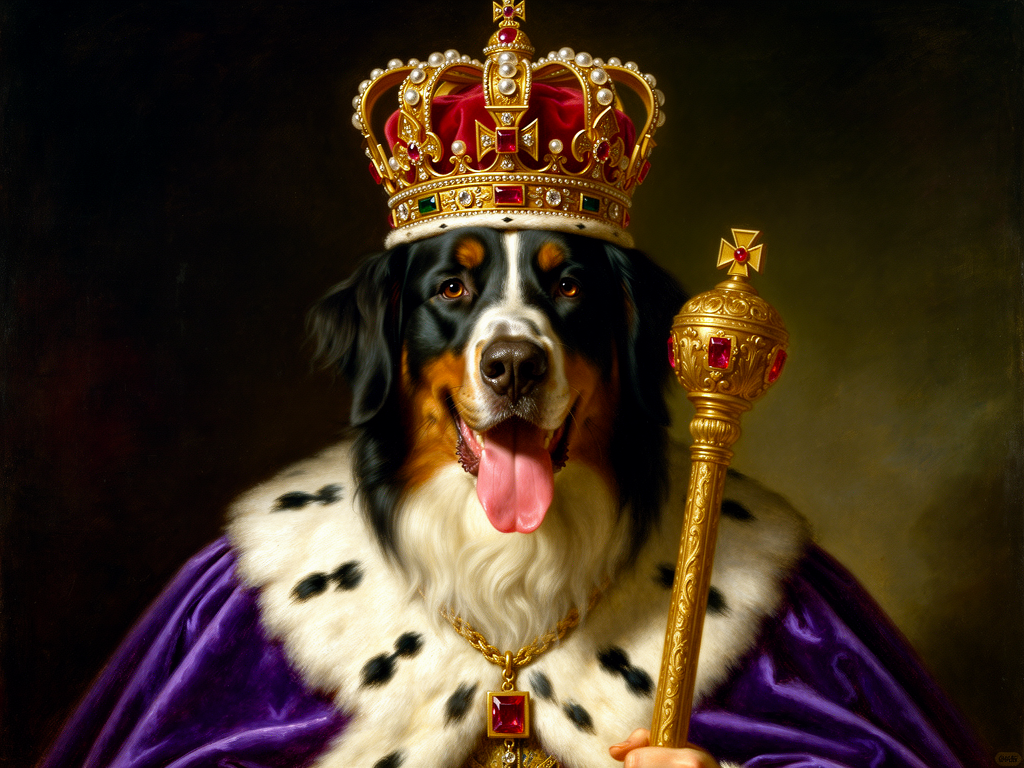
There’s a particular kind of silence that follows the loss of a pet. It’s not just the absence of barking or purring—it’s the absence of *presence*, the gravitational pull of a being who oriented your daily life around their needs and affections.
Creating a memorial portrait won’t fill that silence. Nothing can. But it can give shape to your grief, transforming it into something visible and beautiful—a testament to a love that doesn’t end when life does.
According to the Human-Animal Bond Research Institute, 95% of pet owners consider their pets to be family members. The American Veterinary Medical Association notes that pet loss can trigger the same stages of grief as losing a human loved one, yet our culture offers few rituals to mark this loss.
A memorial portrait is one such ritual. It says: *This life mattered. This love is permanent.*
This guide walks through the sensitive process of creating a memorial portrait—from selecting the right photograph to choosing a style that honors your pet’s spirit, to displaying the finished piece in a way that brings comfort rather than pain.
Selecting the Right Photograph
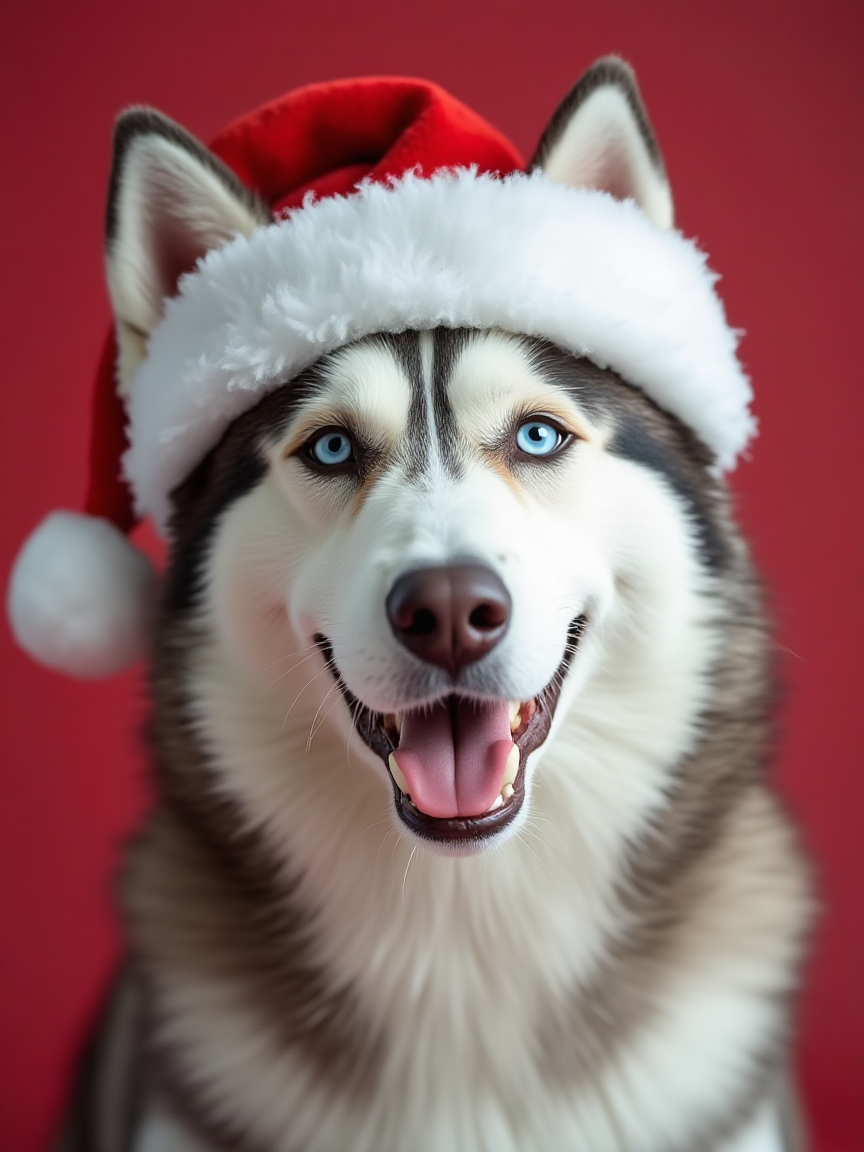
The foundation of a meaningful memorial portrait is the source photograph. Unlike casual portraits where you might have dozens of options, memorial portraits often must be created from existing photos taken when your pet was alive. Here’s how to choose:
### What to Look For
**Clarity of Features:** The photo should clearly show what made your pet *them*—the distinctive markings, the shape of their eyes, the way their ears sat. The AI needs to see these details to preserve them in the final artwork.
**Characteristic Expression:** Choose a photo that captures your pet’s essence. Was your dog perpetually goofy? Select the photo with the tongue lolling out. Was your cat regal and composed? Choose the image where they’re sitting with perfect posture, gazing into the distance.
**Good Lighting:** Natural light is ideal. Look for photos taken near windows or outdoors on overcast days. Avoid harsh flash photography that washes out details or creates unnatural shadows.
**Clear View of Face:** While side profiles can work for some styles, memorial portraits typically benefit from photos where your pet’s face is clearly visible and facing toward the camera.
### Photo Selection Checklist
| Criteria | Ideal | Avoid |
|———-|——-|——-|
| Resolution | 1080px minimum | Pixelated or heavily compressed |
| Lighting | Soft, natural light | Harsh shadows or overexposure |
| Expression | Characteristic, natural | Mid-blink, yawning, or looking away |
| Focus | Sharp on eyes and face | Motion blur or camera shake |
| Background | Simple, non-distracting | Busy backgrounds that compete |
| Angle | Eye-level or slightly above | Extreme low angles |
### When You Don’t Have the Perfect Photo
Many grieving pet parents worry that they don’t have a “good enough” photo. Slightly blurry photos, older photos with lower resolution, cropped photos from group shots, or photos with other people can all work. The [PixPawAI](/en) system is designed to work with real-world photos, not just professional shots. Upload what you have and let the AI show you what’s possible.
Choosing a Memorial Style
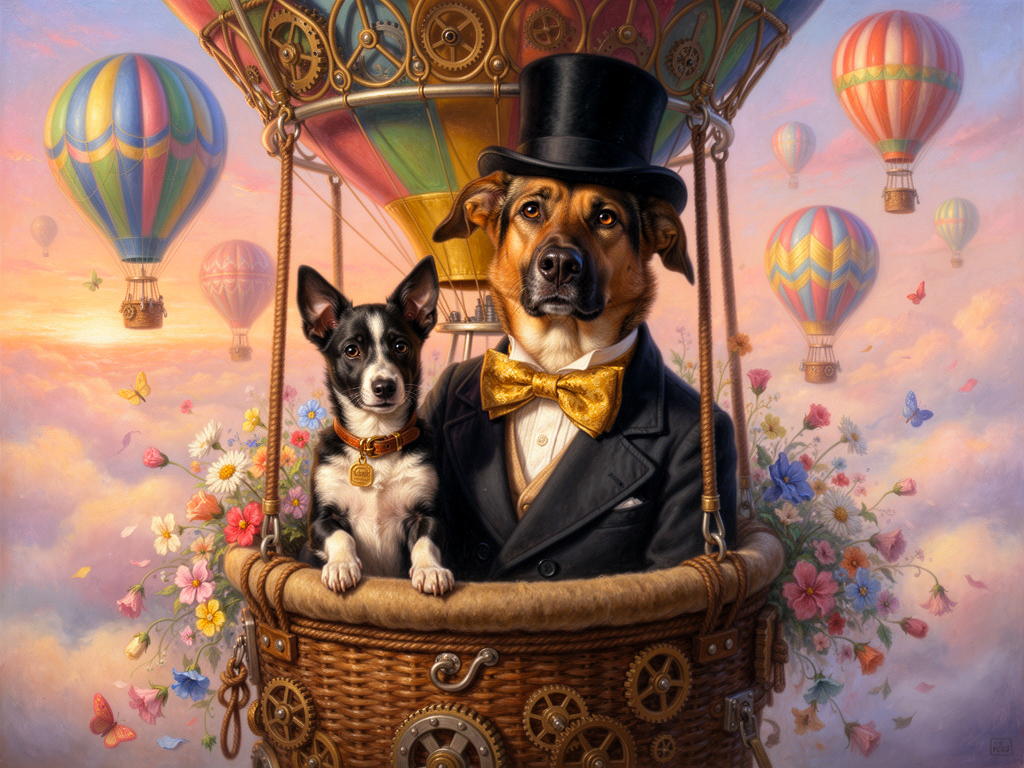
Not all artistic styles are equally suited for memorial portraits. Some feel celebratory; others feel reverent. The right choice depends on your emotional needs and the atmosphere you want to create.
### The Johannes Vermeer Style: Intimate Remembrance
**What you’ll see:** Soft, diffused window light illuminating your pet’s face. A dark, neutral background that makes your pet appear to glow. Pearl-like highlights in the eyes. An atmosphere of quiet intimacy, as if capturing a private moment of peaceful presence.
**Why it works for memorials:** The Vermeer style creates a space of reverent beauty where grief and love can coexist. The soft lighting feels gentle, the dark background suggests peace, and the overall effect is one of timeless dignity.
**Best for:** Bedroom memorials, private remembrance spaces, those who find comfort in quiet beauty
### The Royal Style: Dignified Tribute
**What you’ll see:** Your pet rendered as nobility, wearing velvet robes against a classical oil painting backdrop. Dramatic Baroque lighting sculpts their features. Gilded frame details suggest museum-quality importance.
**Why it works for memorials:** The Royal style elevates your pet to the status they held in your heart—royalty, deserving of the finest tribute. It transforms grief into grandeur, loss into legacy.
**Best for:** Living room displays, those who want to celebrate their pet’s life with dignity, traditional decor
### The Emerald Muse Style: Natural Continuation
**What you’ll see:** Your pet emerging from deep emerald tones, surrounded by the colors of growth and renewal. Gold accents that catch the light. A mysterious, slightly magical atmosphere that suggests something beyond the visible world.
**Why it works for memorials:** Green is the color of life continuing, of spring returning, of hope persistent. The Emerald Muse style suggests that while your pet is gone from sight, they remain part of the living world in some form.
**Best for:** Those who find comfort in nature metaphors, garden-facing displays, believers in continued connection
### The Bordeaux Muse Style: Warm Remembrance
**What you’ll see:** Your pet rendered in deep burgundy and crimson tones—the colors of aged wine, autumn leaves, and fireside warmth. An intimate, cozy atmosphere that suggests evenings spent together.
**Why it works for memorials:** The warmth of this style counteracts the coldness of loss. It feels like a hug in visual form, suggesting that love remains warm even after death.
**Best for:** Those who want warmth rather than solemnity, fall and winter memorials, cozy home displays
### Styles to Consider Carefully
While any style can theoretically work for a memorial, some are inherently less suited to the emotional tone. Birthday and Christmas Vibe styles may feel inappropriately festive; Music Lover and Retro Pop Art can feel too playful for immediate grief. That said, grief is individual. If your pet was the life of every party and a playful style feels more true to their memory than a solemn one, trust that instinct.
The Creation Process
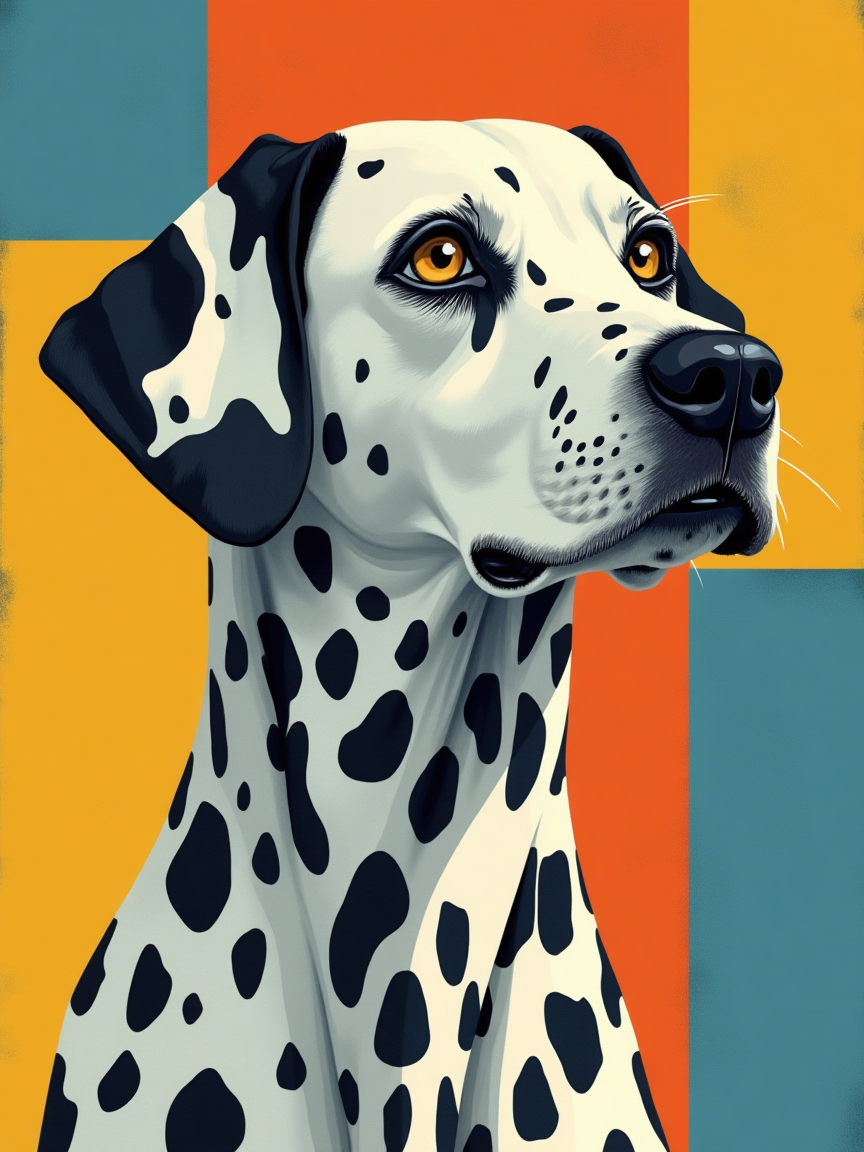
Creating a memorial portrait with [PixPawAI](/en) follows the same simple process as any portrait, but the emotional weight makes each step more significant.
### Step 1: Gather Your Photos
Set aside time for this. Looking through photos of a departed pet can trigger intense grief, and that’s okay. Have tissues ready. Select 3–5 candidates that meet the criteria above. Don’t overthink it—your emotional response to a photo is as important as its technical quality.
### Step 2: Upload and Preview
Upload your selected photo to [PixPawAI](/en). The system processes in about 30 seconds, but give yourself time. This is a meaningful moment.
### Step 3: Select Your Memorial Style
Based on the guidance above, choose the style that feels right for your emotional needs and your pet’s personality. Remember: you can generate multiple versions. Many memorial portrait creators end up with several styles, each capturing a different facet of their pet’s memory.
Display Ideas for Memorial Portraits
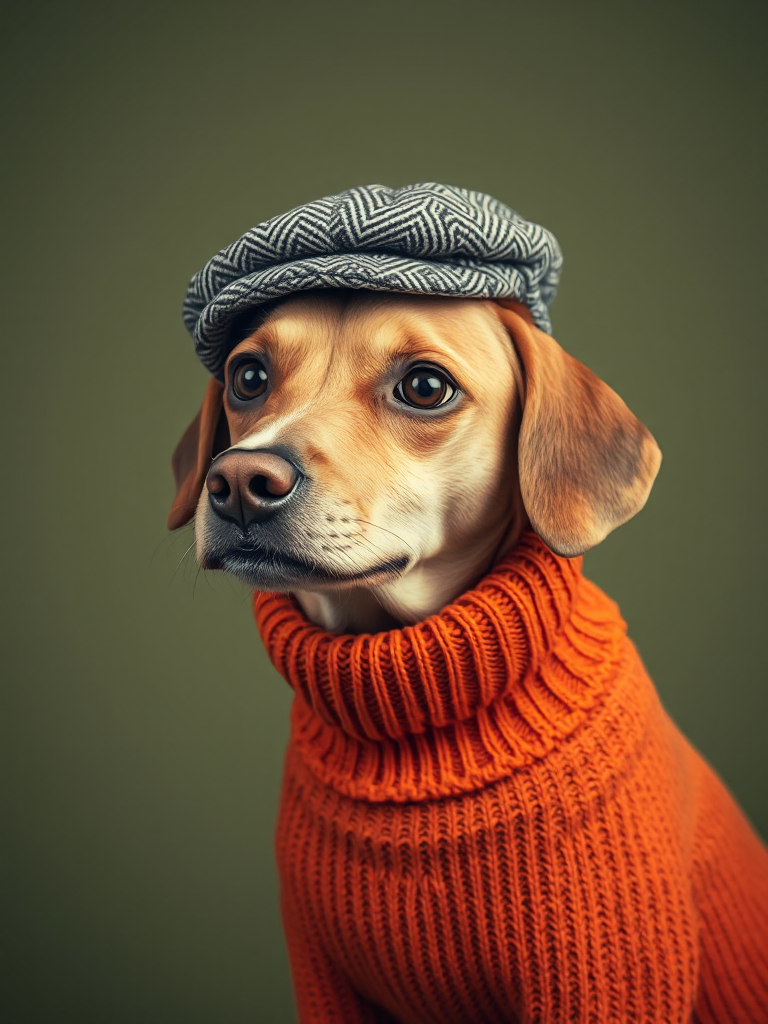
Where and how you display a memorial portrait significantly impacts its emotional effect. Here are approaches that honor your pet while supporting your healing:
### The Remembrance Corner
Create a dedicated space rather than scattering memorial items throughout your home. Include the framed portrait as the centerpiece, your pet’s collar in a small shadow box, a battery-operated candle, a small plant, and perhaps a journal for writing memories.
**Location suggestions:** A corner of your bedroom, a shelf in your home office, a section of the mantelpiece
### The Integration Approach
Some prefer to integrate the memorial portrait into existing gallery walls, mixing it with family photos and other art. This approach says: *You were always part of our family, and you remain so.*
**Tips:** Use a frame that matches your existing gallery style. Position at eye level. Consider pairing with photos from your pet’s life.
### The Seasonal Rotation
Some grieving pet parents find that having a memorial portrait constantly visible is too painful in early grief. Consider displaying during significant dates (death anniversary, birthday, holidays), rotating with other art pieces, or keeping in a private space (bedroom) rather than common areas.
### The Digital Memorial
Not all memorials need to be physical. Consider:
– Setting the portrait as your phone or computer wallpaper
– Creating a digital photo album dedicated to your pet
– Sharing on social media with a meaningful caption (when you’re ready)
Printing and Framing Recommendations
A memorial portrait deserves quality presentation. Use professional printing services (MPix, Artifact Uprising, or local fine art printers) with archival-quality paper or canvas. For sizing, 8×10 inches works for intimate bedside displays, 11×14 is versatile for various spaces, and 16×20 makes a statement piece. Classic wood frames complement Royal and Vermeer styles; simple black or white frames let the art speak for itself.
When to Create a Memorial Portrait
There’s no “right” timeline. Some create portraits immediately, needing something beautiful to focus on in raw grief. Others wait months or years, until they can look at photos without collapsing into tears.
Both approaches are valid. The portrait will be meaningful whenever you create it.
FAQ
**Will creating a memorial portrait make me more sad?**
It may trigger grief—and that’s okay. Many find that channeling grief into creative action is more healing than suppressing sadness. The finished portrait often becomes a comfort, not a trigger.
**Can I create a memorial portrait if my pet died years ago?**
Absolutely. There’s no expiration date on love or remembrance. Many people create memorial portraits years after loss, when they’ve reached a place of peaceful nostalgia.
**What if I only have low-quality photos of my pet?**
Upload what you have. The AI can often work with imperfect source material. Contact [PixPawAI](/en) support if you need advice on photo enhancement.
**Should I tell the AI this is for a memorial?**
The AI doesn’t need to know the context. Choose an appropriate style (Vermeer, Royal, Emerald Muse, or Bordeaux Muse) and the result will reflect the reverence you’re seeking.
**Can I include multiple pets in one memorial portrait?**
PixPawAI processes one pet at a time, but you can create individual portraits and display them together as a diptych or triptych.
**Is it weird to create a memorial portrait for a pet I only had a short time?**
Not at all. The depth of grief doesn’t always correlate with time together. A foster pet, a pet who died young, a childhood pet remembered decades later—all are worthy of memorial.
—
Creating a memorial portrait is an act of love—not just for your departed pet, but for yourself. It’s a way of saying: *This grief is valid. This love is permanent. This life mattered.*
Ready to create your memorial portrait? **[Try PixPaw AI Free](/en)** and transform a beloved photo into lasting tribute.
*For more ideas on honoring your pet’s memory, see our guide to [pet loss gift ideas](/en/blog/pet-loss-gift-ideas) and our [pet portrait gift guide](/en/blog/pet-portrait-gift-guide).*
Leave a Reply